
Summary of Friday the 13th at the Zoo!:
At Potter Park Zoo, visitors can celebrate Friday the 13th by exploring animals associated with luck, both good and bad. The zoo highlights several lucky animals like tufted deer, tigers, lizards, frogs, and foxes, each symbolizing various positive traits such as adaptability, courage, and transformation. Conversely, animals like owls, bats, and snakes, often seen as unlucky, play essential roles in nature, such as pest control. The event encourages a visit to learn about these fascinating creatures and their cultural significances. Tickets are available online for those interested in joining the fun.
- Friday the 13th: A Cultural Perspective on Luck
- Animals Symbolizing Good Luck at the Zoo
- Misunderstood Creatures: Those Considered Unlucky
- Educational Activities and Insights from Potter Park Zoo
- The Importance of Wildlife Conservation
Friday the 13th has long been seen as an unlucky day in many cultures. This superstition raises questions about the origins of luck and how it relates to different animals. At Potter Park Zoo, visitors have the opportunity to explore these themes through guided tours featuring various wildlife. By observing these animals, we gain insights into various cultural beliefs about luck, both positive and negative. The zoo aims to break down misconceptions and provide a balanced view of these animals, highlighting their ecological importance.
Many animals are esteemed as harbingers of good luck across different cultures. At Potter Park Zoo, guests can find several of these species on display. For instance, deer are often viewed as symbols of peace and renewal. The tufted deer, with its distinctive tuft of hair between its ears, serves as an excellent representative of adaptability and regeneration. Spotting a deer during your visit is often seen as a sign of good fortune, as deer have been celebrated in various spiritual practices.
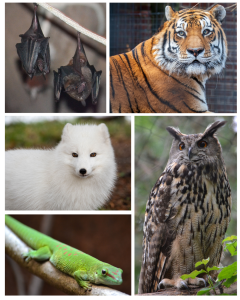
Tigers also embody positive symbolism. In many Asian cultures, these majestic creatures are revered for their strength and courage. Our Amur tiger, Vik, exemplifies these traits, and his striking appearance further cements his status as a protector against evil spirits. Interestingly, tigers are comfortable around water, unlike most felines, so visitors may get a glimpse of Vik enjoying a swim during hot weather.
Lizards are represented in folklore as symbols of healing and prosperity. Their ability to regrow lost tails, widely observed in various species, lends credence to this symbolism. Many Native American tribes and ancient Egyptians regarded lizards favorably, interpreting sightings as reminders to remain vigilant and adaptable to change. Two lizard species at the zoo can showcase this concept: the blue-tongue skink and the green anole.
Frogs, too, hold positive connotations. In many cultures, these amphibians symbolize transformation and new beginnings due to their life cycle from tadpole to adult. Ancient societies often associated frogs with fertility and rain—both deemed auspicious. Potter Park Zoo’s poison arrow frogs are a must-see, as their vibrant colors and unique calls add layer upon layer to their interesting life cycle narratives.
Foxes provide an interesting case; regarded as clever and resourceful animals, they embody dual meanings. In certain folktales, foxes are perceived as symbols of good luck, especially in problem-solving. Visitors to Potter Park Zoo can meet the Arctic fox, a species adept at surviving in harsh climates and cunning in its hunting strategies.
On the other hand, some animals at the zoo carry reputations that veer towards the unlucky. Taking owls as an example, their nocturnal hoots have been viewed in varying lights; for some, they signify impending doom. However, these captivating birds are crucial in controlling rodent populations, with their hunting efficiency making them valuable members of ecosystems. Visitors can learn more about the role of owls like the Eurasian eagle-owl when they stop by the dedicated area in the zoo.
Bats often fall victim to fear and superstition, primarily due to their portrayal in popular media. Although associated with darkness and danger, bats play indispensable roles in pest control and pollination, benefitting agriculture and biodiversity. Potter Park Zoo features a bat exhibit where guests can appreciate these misunderstood creatures and discover how they contribute to ecosystem health.
Snakes also elicit mixed reactions. While many people fear these reptiles, some cultures view them as symbols of healing and revival. At Potter Park Zoo, several snake species are waiting to be explored, shedding light on their ecological benefits. These slithering creatures often help maintain rodent populations, showcasing their crucial roles in various habitats.
Scorpions provoke fear as well, yet their significance varies across cultures. While some consider them bringers of bad news, others regard them as protectors. At Potter Park Zoo, visitors might be intrigued by the common emperor scorpion. This species not only represents the fascinating adaptations of arachnids but even glows under UV light, demonstrating a remarkable survival strategy.
Interestingly, the fox once again emerges as a symbol straddling both sides of luck. Some cultures honor foxes, while others associate them with trickery or misfortune. This duality makes the fox an apt mascot for the themes presented in "Friday the 13th at the Zoo."
Anteaters are yet another enigmatic species that challenge our perceptions. Some South American legends disparage them, regarding unexpected encounters as warnings of ill fate. Nonetheless, Potter Park Zoo encourages visitors to consider these animals through a different lens. Our anteater, Wayne, is an engaging representation of the amazing adaptations of his species. With their remarkable ability to detect ants and termites by smell, anteaters remind us of the vast interconnectedness of life.
Friday the 13th provides a perfect opportunity to visit Potter Park Zoo and explore these fascinating animals. The zoo is committed to education and conservation, and each animal narrative is carefully crafted to highlight respective roles within ecosystems. By understanding these creatures, guests can shift perceptions and appreciate wildlife’s contributions to biologically diverse networks.
Beyond animal encounters, the zoo offers educational programs that delve into animal behavior, ecology, and conservation. Interactive activities allow for up-close learning experiences and are designed to engage visitors of all ages. Families can participate in guided tours that include discussions on animal symbolism and the importance of biodiversity.
Potter Park Zoo serves as a vital platform for wildlife conservation. As habitats shrink due to human activity, the need for education and collective action becomes increasingly clear. Each visit to the zoo not only enhances the understanding of these animals but also fosters awareness about global conservation issues. The zoo engages in numerous initiatives aimed at preserving endangered species, fostering future generations’ commitment to upholding biodiversity.
The cultural significance of lucky and unlucky animals enriches the educational experience at Potter Park Zoo. Guests can immerse themselves in the lore surrounding these species while gaining a greater understanding of their ecological roles.
Witnessing the interplay between culture and wildlife emphasizes that luck is not solely relegated to superstitions. Instead, it can be reinterpreted through informed interactions with animals, where every sighting can foster appreciation for the diverse life forms that grace our planet.
In light of this, "Friday the 13th at the Zoo" invites all curious minds to reflect on what constitutes luck while visiting enthralling creatures at Potter Park Zoo. Whether you’re looking for educational insights or simply planning a day out, this event promises to showcase the wonder and value of wildlife, shifting the narrative around luck and its symbolic associations.
