
- Examination of “Crabitat”: Design and Purpose
- Understanding Hermit Crabs’ Natural Habitats and Behaviors
- Conservation Efforts and Educational Outreach
- Challenges in Maintaining a Balanced Ecosystem in Captivity
- Future Directions in Crabitat Design and Wildlife Conservation
In aquariums, the concept of a “Crabitat” stands as a compelling representation of the intersection of science, design, and conservation. This localized ecosystem is engineered specifically to house hermit crabs, offering both researchers and visitors a window into their vibrant world. While the primary function of the Crabitat is display, it also serves as an essential resource for ecological education and wildlife conservation.
The design of a Crabitat involves recreating the natural environment of hermit crabs with startling accuracy. This requires detailed attention to substrate composition, humidity levels, temperature regulation, and the provision of climbing structures. Each component is carefully selected to meet the biological and psychological needs of its inhabitants. The substrate, typically a blend of sand and soil, mimics coastal environments, while strategically placed rocks and driftwood offer climbing and hiding spaces. Consistent humidity and temperature range are critical, reflecting the fluctuating conditions of their native shorelines.
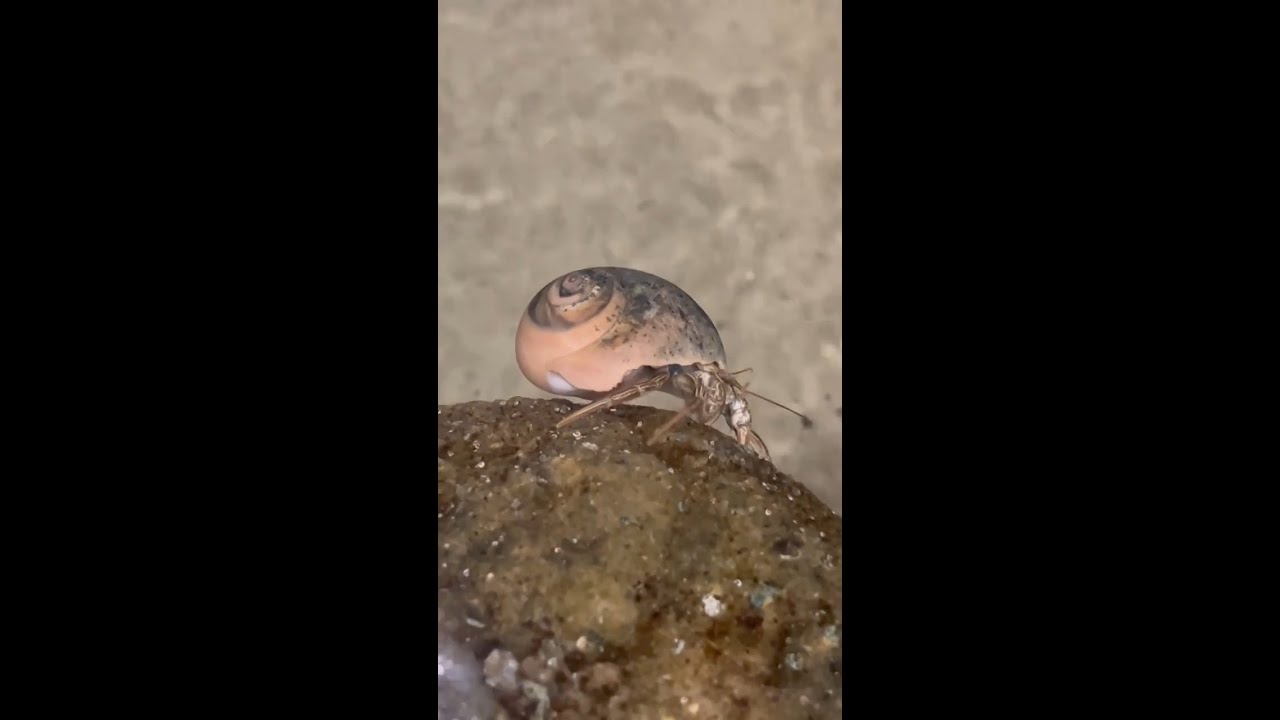
Hermit crabs are intriguing creatures primarily due to their unique developmental requirements and behavior. Originally from coastal regions, they have adapted to various microhabitats over thousands of years. These adaptations are essential for their survival and reproduction. Their dependency on external shells for protection against predators and environmental stressors makes them fascinating subjects for behavioral studies. Periodic shell changes, or molting, require an abundance of appropriately sized shells within the Crabitat, emphasizing the importance of maintaining a diverse shell inventory.
Wildlife conservation efforts are intimately connected with the Crabitat’s educational initiatives. Aquariums utilize these exhibits to promote awareness about habitat destruction, climate change, and species conservation. By interacting with these exhibits, visitors gain a deeper appreciation for the fragility and interconnectedness of marine ecosystems. Structured educational programs often accompany these displays, integrating scientific knowledge with conservation messages to inspire action among diverse audiences.
Maintaining a balanced ecosystem in captivity is fraught with challenges. Ensuring stable conditions within the Crabitat requires constant monitoring and adjustment. Water quality, dietary needs, and social behaviors must be harmonized to avoid stress and aggression among inhabitants. The introduction of new individuals or animal groups requires careful integration, as the social dynamics of hermit crabs can be complex. Additionally, the risk of disease transmission remains a persistent concern, necessitating strict biosecurity protocols.
As the landscape of wildlife conservation evolves, so too must the strategies employed by aquariums. The future of Crabitat design has the potential to incorporate cutting-edge technology, such as automated environmental controls and interactive digital components, enhancing both the welfare of the crabs and the educational experience of visitors. Collaboration with scientific communities and conservation organizations will be crucial in driving innovation and policy development to safeguard marine life. Through ongoing research and continued public engagement, aquariums can play a pivotal role in global conservation efforts, bridging the gap between scientific discovery and societal impact.
*****
Source Description
Some highlights from the “crabitat” at the Aquarium.
