
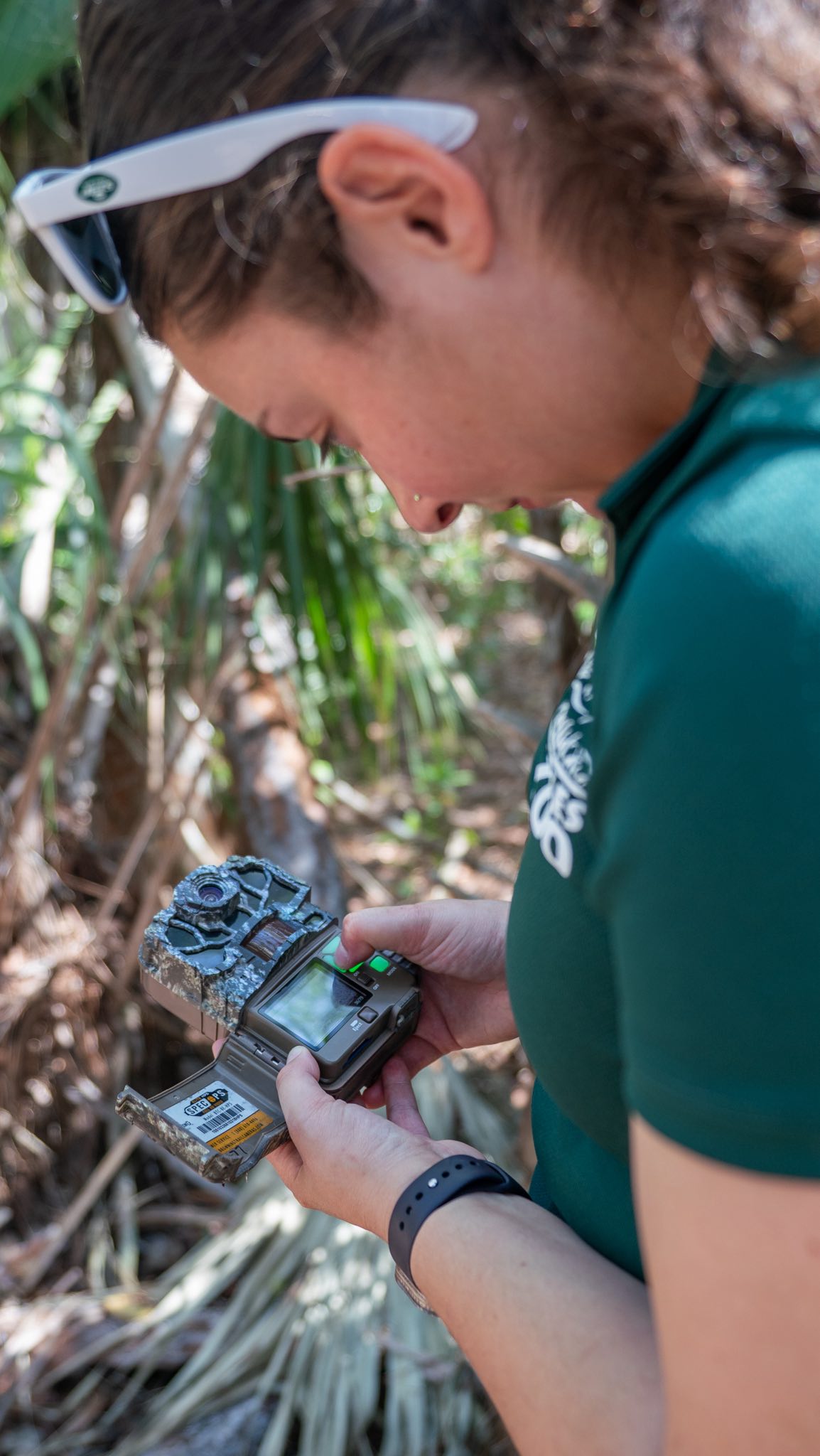
- The significance of World Environment Day in promoting conservation efforts.
- Overview of the wildlife monitoring initiatives by the @fstopfoundation.
- Detailed insights into the Florida panther and black bear habitats and behaviors.
- The role of camera traps in wildlife research and its impact on conservation.
- The importance of local wildlife preservation for ecosystem stability.
World Environment Day serves as a global platform to elevate awareness about environmental issues and encourage conservation efforts. Observed annually on June 5th, this day brings together individuals, communities, and organizations worldwide to focus on pressing environmental challenges. This year, the emphasis is on local wildlife and ecosystems, specifically shining a spotlight on the myriad species that inhabit areas just 15 minutes away from major urban settings, like the city of Naples in Florida.
In partnership with the @fstopfoundation, innovative wildlife monitoring initiatives are being utilized to track Florida panthers, black bears, and other fascinating native fauna. These efforts are essential in understanding species behaviors and ensuring that conservation strategies align with their needs.
The Florida panther is an iconic species within the state and serves as an umbrella for broader conservation efforts. With a population that has sharply dwindled over the decades, the panther is listed as an endangered species. They are primarily found in the forests and swamps of South Florida, where they rely on healthy ecosystems to thrive. Detailed studies reveal that panthers require extensive territories for hunting and breeding, making land conservation vital. Their preference for dense cover in pine forests and swamp habitats shows that protecting these areas is crucial for their survival.
Black bears, another native species of Florida, present a different set of behaviors and habitat needs. They are more adaptable and can thrive in varied environments, including wetlands and hardwood swamps. Monitoring their populations provides insights into the health of Florida’s ecosystems since bears serve as key indicators of environmental quality. Understanding the food sources that sustain them, such as berries and acorns, can inform land management practices that benefit both the bears and the overall ecosystem.
A vital tool in these wildlife monitoring initiatives is the use of camera traps. These devices provide a non-invasive method to observe animal movements and interactions. Camera traps, often deployed in strategic locations, capture images and videos that reveal patterns in behavior and population dynamics. This data is crucial for researchers and conservationists who are working tirelessly to formulate effective strategies for wildlife protection.
As technology advances, the capabilities of camera traps have improved significantly. Modern traps are equipped with infrared sensors, which allow for nighttime monitoring without disturbing the animals. This capability is essential, as many species, including both the Florida panther and black bear, are crepuscular or nocturnal. By gathering data during their active hours, researchers can obtain a more accurate picture of population trends and habitat utilization.
Monitoring programs offer invaluable data that can inform decision-makers regarding conservation policies and land management strategies. With increased understanding, conservationists can advocate for the preservation of critical habitats that support both Florida panthers and black bears. Efforts to create wildlife corridors, which facilitate safe movement between populations, are examples of how data from camera traps can be translated into actionable initiatives.
The implications of wildlife preservation extend beyond individual species. Ecosystems are interconnected, and the loss of one species can trigger a cascade of negative effects throughout the environment. For instance, Florida panthers play a pivotal role in maintaining a balance within their ecosystems by controlling populations of deer and other herbivores. Without sufficient panther populations, there is a risk of overgrazing, which can lead to the degradation of plant communities and, ultimately, the collapse of local ecosystems.
Local wildlife like the Florida panther and black bear are also of great importance to the community in Naples and surrounding areas. Promoting awareness about these species can cultivate a sense of stewardship among residents. Engaging local communities in conservation efforts fosters a connection to the natural world and underscores the significance of biodiversity. Educational programs and opportunities for citizen science can galvanize public interest in conservation and lead to positive changes in attitudes and behaviors toward local wildlife.
Furthermore, initiatives like those led by the @fstopfoundation highlight the power of collaboration. Partnerships among governmental agencies, non-profits, and academic institutions amplify conservation efforts by pooling resources and expertise. They provide frameworks for successful wildlife monitoring that can be replicated in other regions facing similar environmental challenges.
Through these combined efforts, the fight to preserve some of Florida’s most iconic wildlife is not a solitary endeavor but is strengthened by collective action. As communities come together to advocate for the welfare of species like the Florida panther and black bear, there is hope for sustainable coexistence. Emphasizing the importance of local wildlife can have lasting effects on ecological stability and community well-being.
World Environment Day serves as a reminder that conservation is an ongoing responsibility. The actions taken today will influence the future of wildlife and ecosystems. Understanding the habits and habitats of species in our own backyards can empower individuals to participate actively in conservation efforts. By investing in local wildlife and fostering a sense of guardianship, we can contribute to the health of our planet.
As this World Environment Day approaches, it is vital to reflect on how every action contributes to conservation. Participating in local initiatives, supporting wildlife monitoring programs, and fostering public appreciation for native species can have wide-ranging benefits. The commitment to preserve Florida’s unique ecosystems requires collective advocacy and responsible stewardship to ensure that future generations can enjoy the splendor of nature.
The journey toward environmental responsibility begins with small, deliberate actions that culminate in meaningful changes. Joining forces with organizations like @fstopfoundation, people can engage in hands-on initiatives that investigate and protect local wildlife populations. Engaging youth in these programs can instill a lifelong passion for the environment, laying a foundation for future conservation efforts.
To amplify support for wildlife and habitat conservation, communities should consider organizing events around World Environment Day. Educational workshops, guided wildlife tours, and citizen science projects can galvanize community involvement and raise awareness about local wildlife issues. Communities can also harness social media platforms to disseminate information and connect residents with available resources, exemplifying the spirit of collaboration and community pride.
Fueling interest and participation in local wildlife conservation not only benefits specific species but enhances overall biodiversity. Each species plays a significant role in the ecosystem, and their losses can lead to unintended consequences. Supporting initiatives that prioritize local wildlife preserves the intricate web of life that sustains us all.
This World Environment Day serves as both a celebration and a call to action. By uniting efforts in wildlife monitoring and promoting species awareness, we can drive significant progress toward conservation. The ultimate goal is not merely the survival of iconic species but the health of our planet as a whole. Through collective action and a shared recognition of the value of biodiversity, we can pave the way for sustainable ecosystems that thrive for generations to come.
*****
Source Description
🌍 This World Environment Day, we’re sharing a glimpse into the wild—just 15 minutes from the Zoo.
Thanks to our partnership with the @fstopfoundation, we use camera traps to monitor Florida panthers, black bears, and other incredible native wildlife that call Naples home.
