
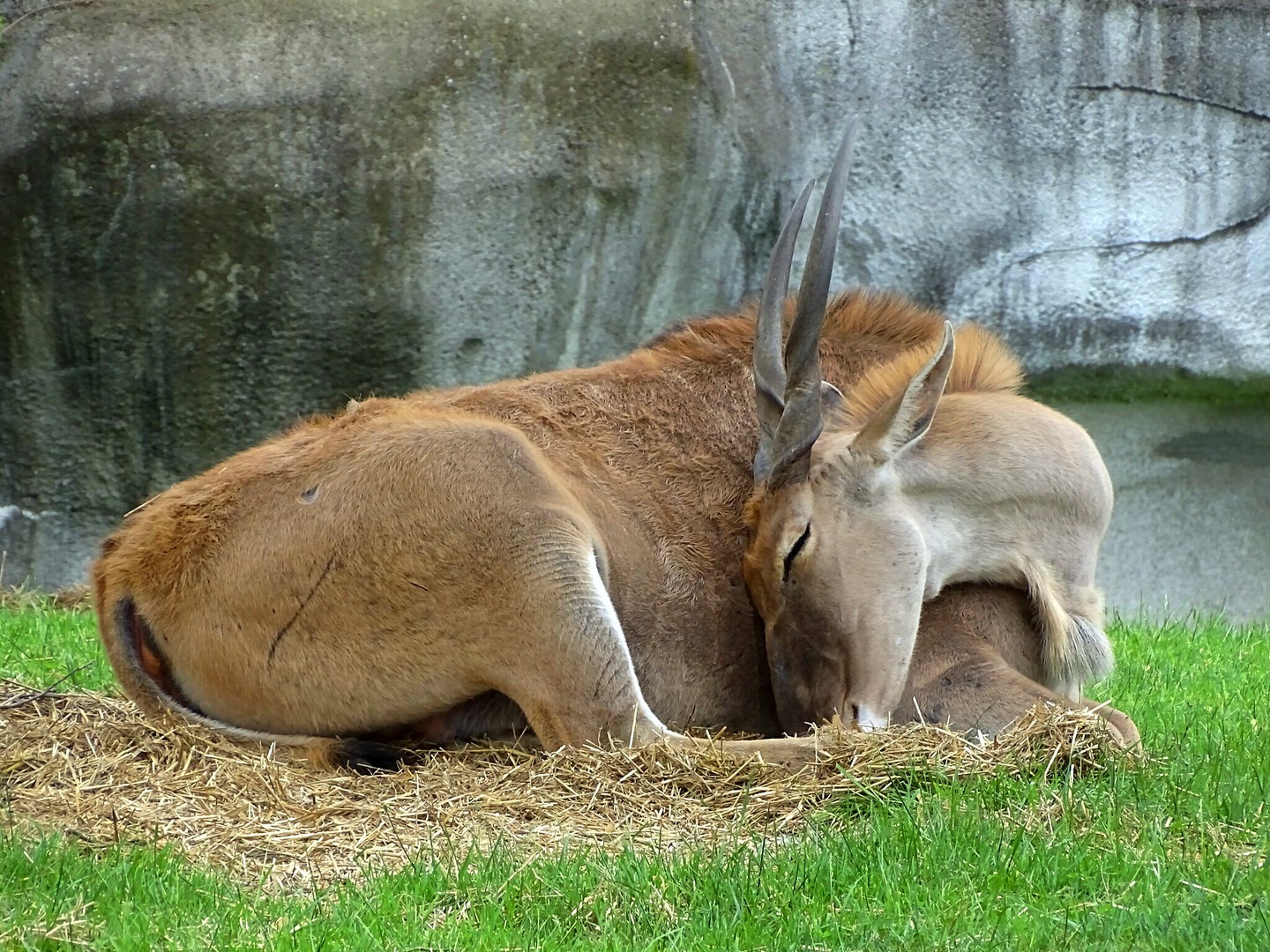
- The unique characteristics of Mwenzi, the sweet eland
- Social behavior and herd dynamics among African elands
- Importance of the habitat shared by Mwenzi and other species
- Conservation efforts for elands and their ecosystems
- Educational outreach and visitor experiences at the Detroit Zoo
Mwenzi, the sweet eland, is not just another animal wandering through the African Forest habitat at the Detroit Zoo; he represents a fascinating case study in the study of wildlife. Elands are the largest species of antelope and exhibit a variety of characteristics that make them compelling subjects for both research and public education.
Mwenzi’s physical attributes set him apart in his environment. Adult males can stand over six feet tall at the shoulder and weigh between 1,000 and 2,200 pounds. They sport long, spiraled horns, striking a majestic pose that draws visitors’ attention. This size allows them to access foliage from higher trees, making them less competitive with smaller grazers. Their tan to light brown coat features stands of white, which helps them blend into the African savannah. This coloration assists in camouflage from predators, a survival strategy crucial to their existence in the wild.
Elands like Mwenzi are not solitary creatures; they thrive in social groups known as herds. These herds are typically composed of females, young elands, and a few dominant males. The hierarchy often revolves around age, size, and social skills. The interactions within these groups provide a basis for learning and nurturing among the young. Elands exhibit behaviors such as grooming, which strengthen social bonds, and they communicate through various vocalizations and body language. Observing these dynamics at the Detroit Zoo allows visitors to appreciate the complex relationships that develop in a herd setting, providing insight into the social structures that underpin the well-being of this species.
Mwenzi resides in an ecosystem that also features Hannibal the ostrich, the largest bird species on the planet. This integration showcases the African Forest habitat’s biodiversity, which is critical for educational purposes. The presence of various species allows for understanding the various roles within the ecosystem. Elands like Mwenzi primarily graze on grasses, shrubs, and leaves, while ostriches are omnivores that feed on a varied diet. The coexistence of different species highlights the interconnectedness of life within the ecosystem, fostering an understanding that all animals, including Mwenzi, play vital roles in maintaining ecological balance.
Conservation is a pressing concern for elands. Although they are not currently classified as endangered, habitat loss poses significant risks to their populations. The expansion of agriculture and urban infrastructure encroaches on their natural habitats, threatening biodiversity and food sources. Efforts to protect elands involve habitat preservation and education about sustainable practices in communities bordering their ecosystems. Initiatives that focus on collaboration with local populations are significant, as they help to foster human-animal coexistence.
Mwenzi’s home, the Detroit Zoo, plays an essential role in wildlife conservation and education. Programs aimed at teaching visitors about the importance of species conservation are integral to zoo operations. Staff members and zookeepers provide engaging learning opportunities, emphasizing the importance of protecting wild habitats. The educational outreach offered by the zoo extends beyond its walls, aiming to spark interest and inspire action among community members and tourists alike.
As Mwenzi takes a quick trip to nap-land, it serves as a reminder of the simple yet vital activity that is rest. Sleep is crucial for physical health and wellbeing, allowing both humans and animals to function at their best. For elands, resting helps conserve energy and supports immune function, ensuring they are ready to graze and socialize upon waking. This aspect of animal behavior is frequently overlooked, but it reflects the everyday life of an animal in a busy ecosystem.
The Detroit Zoo’s African Forest habitat allows visitors to witness the unique interactions among its residents. Eland behavior is particularly fascinating during their feeding time when they display selective grazing patterns. Observing how Mwenzi and his counterparts choose specific plants teaches about their ecological needs and dietary preferences. This reinforces the importance of diverse plant life in sustaining not just elands but the entire ecosystem.
Furthermore, the Detroit Zoo focuses on providing a space that closely resembles the natural environments of the animals they house. The enclosures for Mwenzi and his companions are designed to mimic their native habitats, offering enriching experiences that reduce stress and promote natural behaviors. Keeping wildlife in settings that respect their natural living conditions is an important principle of modern zoo management. It reflects advancements in animal welfare practices, ensuring that animals like Mwenzi live fulfilling lives even in captivity.
Collaboration with conservation organizations helps support ongoing research and habitat protection efforts. Studies conducted in conjunction with reputable wildlife agencies examine various aspects of eland biology and behavior, contributing to the scientific community’s understanding of this magnificent species. The data collected helps inform best practices in both wildlife management and conservation strategy.
In addition to this, staff at the Detroit Zoo often engage with the public through educational programs, aiming to raise awareness about eland conservation and the threats they face. These initiatives help to bridge the gap between wildlife and the community. The more people understand the challenges facing species like Mwenzi, the more likely they are to get involved in conservation efforts, whether through donations, volunteering, or spreading awareness.
The Detroit Zoo also emphasizes the importance of sustainable living, encouraging visitors to consider their environmental impact. Programs and workshops designed to educate on sustainable practices serve to empower individuals to take actionable steps in their own lives. This greater understanding connects audience members directly to the mission of wildlife conservation, fostering a sense of responsibility toward protecting species in the wild.
Specific habits of Mwenzi, such as his grazing behavior or social interactions, can serve as focal points during zoo tours. Educators and zookeepers can share backstories of individual animals, illustrating the significance of each creature’s life experience in shaping their health and behavior. Such narratives personalizing the animals create an emotional connection that enhances the educational experience.
Moreover, digital platforms and social media have played a pivotal role in engaging with a broader audience. The Detroit Zoo uses these tools not only to share updates about Mwenzi and others but also to highlight critical conservation issues. Live feeds, videos, and educational posts foster global interest in wildlife, transforming viewers into advocates for conservation.
The importance of keeping wildlife healthy and thriving extends beyond individual species. The health of an ecosystem is directly tied to each organism present, including Mwenzi the sweet eland. By involving communities in conservation efforts, we open up pathways for protecting not just elands but countless other species that share their environment.
Mwenzi’s playful demeanor and routine highlight the beauty of wildlife. Watching him interact with his herd or take complacent naps in the sun offers a glimpse into the life of these magnificent creatures. Such snapshots are essential for fostering appreciation and encouraging visitors to advocate for preservation efforts.
As visitors leave the Detroit Zoo with an enhanced understanding of the sweet eland and other residents like Hannibal the ostrich, they carry with them knowledge that can spur action. Awareness raised today can lead to conservation successes of tomorrow. By celebrating creatures like Mwenzi, the zoo cultivates a generation dedicated to the protection and appreciation of wildlife.
Witnessing Mwenzi taking his quick trip to nap-land becomes more than just a cute moment; it represents the habits, ecology, and conservation challenges tied to African elands. This singular experience reflects broader themes the Detroit Zoo stands for, driving a commitment to education, conservation, and responsible stewardship of our natural world.
*****
Source Description
Mwenzi the sweet eland is taking a quick trip to nap-land. 💤
Visit the whole herd here at the Detroit Zoo. Clover, Mwenzi and Hops share their African Forest habitat with the biggest species of bird in the world – Hannibal the ostrich.
📷 Patti Truesdell
