
- Understanding the Boone & Crockett Club and its role in wildlife conservation.
- The significance of "heads, horns, and antlers" in recording wildlife data.
- Insights into recent entries in the Boone & Crockett Club’s record book.
- The ecological importance of trophy records for conservation efforts.
- Role of public exhibitions like Wonders of Wildlife in education and awareness.
The Boone & Crockett Club, founded in 1887, has become a cornerstone for wildlife conservation in North America. This organization, established by Theodore Roosevelt and George Bird Grinnell, aims to perpetuate and manage wildlife populations. Its unique approach focuses on promoting hunting as a tool for conservation, implementing principles of fair chase, and maintaining records of big game species. The club’s records, often highlighted by entries of remarkable heads, horns, and antlers, are not only a testament to the biodiversity and health of wildlife populations but also serve as valuable scientific data.
Heads, horns, and antlers have historically been symbols of strength and majesty in wildlife. They’re more than trophies; they encapsulate data about genetics, growth patterns, and habitat quality. These features vary greatly among species and individuals, influenced by factors such as nutrition, age, and environmental conditions. In the Boone & Crockett Club’s record book, entries are meticulously documented, offering insights into trends and shifts in wildlife populations. This data aids researchers in understanding ecological dynamics and influencing policy decisions.
Over the last three years, the Boone & Crockett Club’s record books have seen fascinating entries that highlight the resilience and adaptability of wildlife. For example, recent record-breaking antlers from North American elk reveal insights about habitat conditions and population health. By analyzing such data, conservationists can track progress toward conservation goals and identify areas needing attention. This is crucial for the proactive management of wildlife resources.
Trophy records, such as those maintained by the Boone & Crockett Club, are vital to wildlife conservation. They provide a scientific basis for evaluating the success of conservation efforts and help in shaping sound management practices. These records also offer historical perspectives on wildlife trends, which are essential for predicting future shifts in populations and habitats. Moreover, data derived from such records facilitate the collaboration between scientists, policymakers, and conservationists, ensuring that strategies are informed by reliable information.
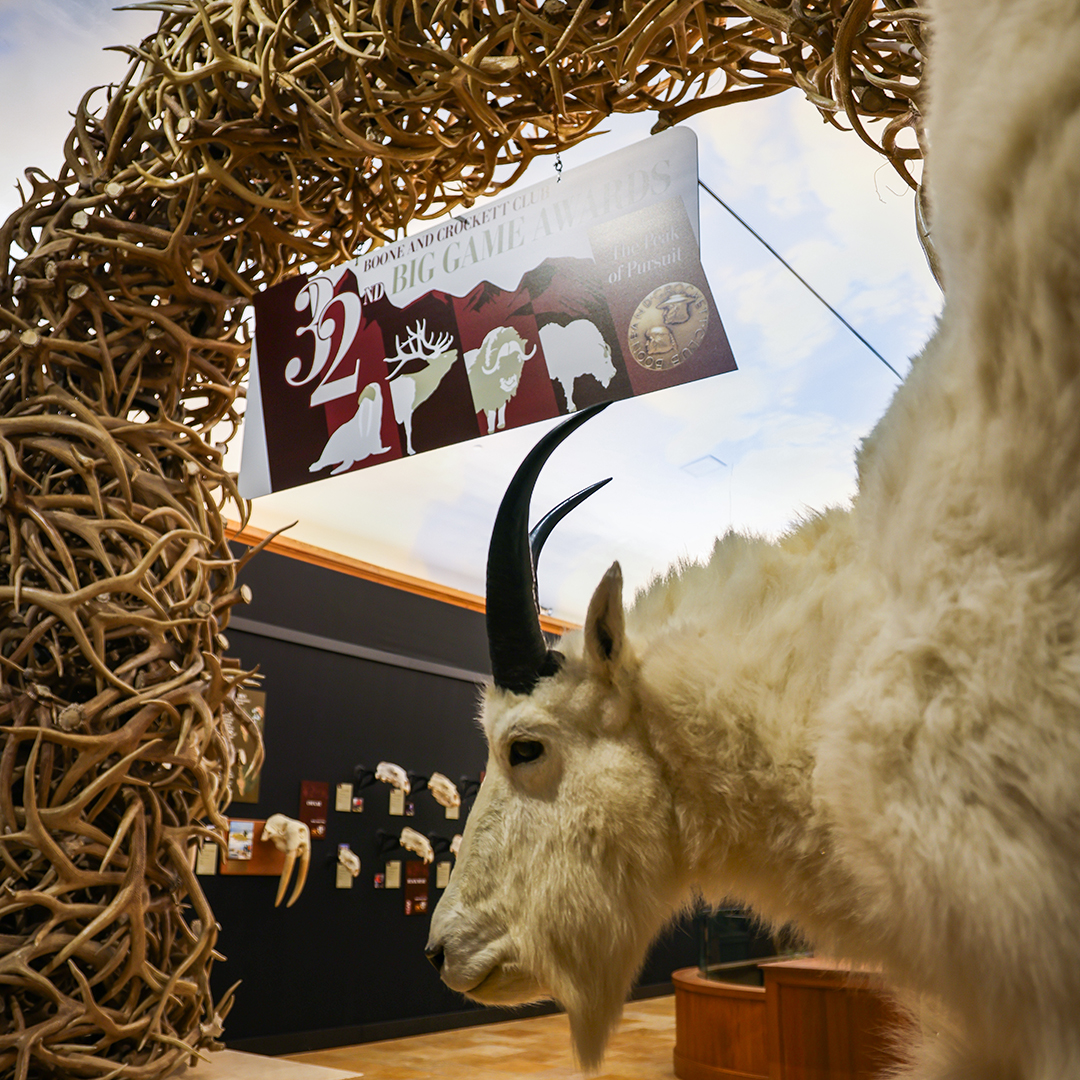
Public exhibitions like Wonders of Wildlife play an integral role in enhancing public understanding of conservation efforts. By showcasing the most impressive entries of the Boone & Crockett Club’s record book, such exhibitions immerse visitors in the significance of wildlife preservation. They emphasize the interconnectedness of humans and nature, fostering a sense of responsibility toward environmental stewardship. Through engaging displays and educational programs, visitors gain insight into the challenges and triumphs of wildlife management.
Incorporating knowledge from zoology, wildlife management, and conservation, the Boone & Crockett Club continues to be a pivotal force in conserving North America’s wildlife. Understanding the profound ecological implications of their record books can inspire future generations to prioritize biodiversity conservation and sustainable wildlife practices. By celebrating the majesty of heads, horns, and antlers, the club not only honors the wild but also catalyzes enduring connections with the natural world.
*****
Source Description
See the best heads, horns, and antlers entering the Boone & Crockett Club’s record book from the last 3 years right here at Wonders of Wildlife – now open for viewing in the Wildlife Galleries through July 26th!
