
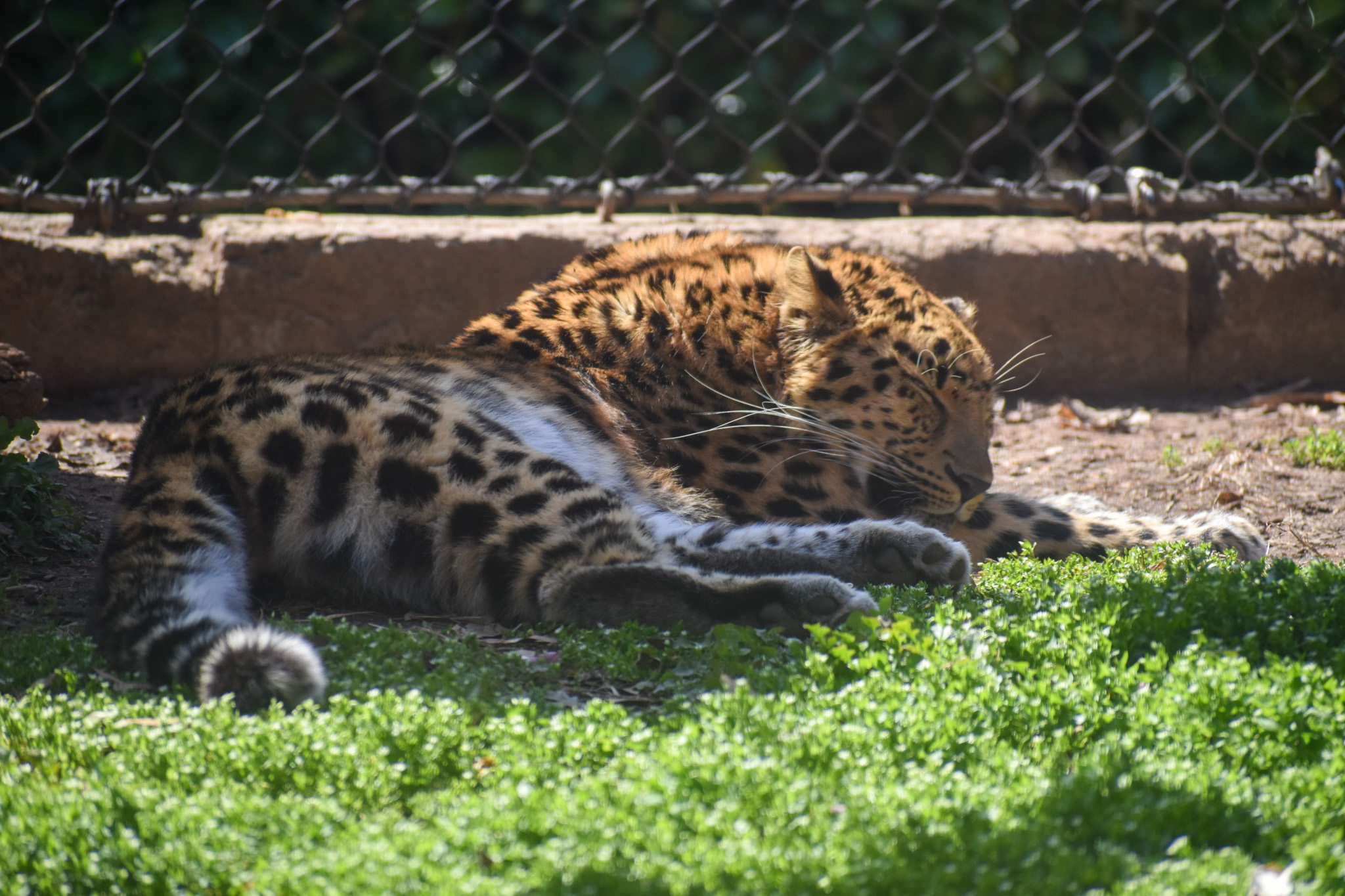
- The Role of Cat Naps in Big Cat Physiology and Behavior
- Big Cats and Their Napping Patterns in Various Habitats
- Conservation Efforts to Support Big Cat Populations and Their Habitats
- Zoo Management Practices to Accommodate Big Cats’ Rest Needs
- Human-Wildlife Interaction and Its Impact on Big Cats’ Sleep
Big cats, from the powerful lion to the elusive leopard, have captivated human imagination for centuries. Among their many fascinating qualities, one of the most intriguing is their propensity for sleep. This article explores the "Big cat. Big nap." phenomenon, shedding light on the biological, ecological, and conservation aspects of these magnificent creatures.
The Role of Cat Naps in Big Cat Physiology and Behavior
Big cats, much like their domestic counterparts, spend a significant portion of their day sleeping. Sleep is essential for conserving energy, especially given their calorie-intensive lifestyle. Lions, for example, can sleep up to 20 hours a day. This remarkable period of rest supports their hunting strategy, as these predators require bursts of tremendous speed and strength.
During sleep, big cats undergo essential physiological processes such as repairing tissues, conserving energy, and maintaining cognitive functions. Sleep cycles in big cats include REM (Rapid Eye Movement) sleep, crucial for brain development and memory consolidation. Observational studies and tracking technologies have shown that REM sleep comprises about 15% of a big cat’s slumber, reflecting its importance.
Big Cats and Their Napping Patterns in Various Habitats
Napping patterns in big cats vary dramatically across different species and environments. In the African savannah, lions can afford longer periods of inactivity due to an abundance of prey. Solitary hunters like leopards and tigers exhibit different sleep behaviors, often dictated by the availability of food and the need to remain vigilant against threats from other predators.
In dense forests, tigers tend to have shorter, more frequent naps, utilizing the cover of foliage for stealth and protection. Snow leopards in mountainous terrains balance sleep with the need to pursue scarce prey across challenging landscapes. Urbanized environments also present unique challenges, where big cats modify their sleep cycles to avoid human activity.
Conservation Efforts to Support Big Cat Populations and Their Habitats
The conservation of big cats is critical, as many species face threats from poaching, habitat loss, and climate change. Conservationists employ tracking collars and camera traps to gather data on sleep patterns, revealing insights vital for habitat management and preservation.
Preserving large tracts of contiguous habitat is essential, enabling big cats to follow their natural rhythms unimpeded. Protected areas like national parks and wildlife reserves play a crucial role in facilitating these behaviors. Conservation organizations also engage local communities, promoting coexistence and reducing human-wildlife conflicts.
Zoo Management Practices to Accommodate Big Cats’ Rest Needs
Zoos play a significant role in the education and conservation of big cats. Modern zoo management practices focus on replicating natural habitats to encourage natural behaviors, including adequate rest. Enclosures are designed to provide privacy and quiet, with features mimicking the cats’ native environments.
Behavioral enrichment programs simulate hunting and foraging activities, contributing to physical and mental health. Zookeepers monitor the sleep schedules of big cats, ensuring their needs are met, which directly influences the cats’ well-being and the success of breeding programs.
Human-Wildlife Interaction and Its Impact on Big Cats’ Sleep
The expansion of human populations into wild territories disrupts the natural sleep patterns of big cats. Noise pollution, light intrusion, and habitat fragmentation lead to increased stress and altered behavior. Effective wildlife corridors and buffer zones mitigate these impacts, allowing big cats to maintain their natural sleep cycles.
Education and outreach programs are crucial in underscoring the importance of respectful coexistence. By understanding and respecting big cats’ essential needs, humans can reduce conflicts and support the conservation of these iconic animals.
In conclusion, the "Big cat. Big nap." phenomenon is not merely a curiosity; it is a vital element of the survival strategy for these apex predators. Through understanding the intricate connections between sleep, behavior, and conservation, we can support efforts to preserve the majestic presence of big cats in the wild. This ongoing relationship with nature underscores our responsibility to foster environments where big cats can thrive, sleep deeply, and continue to captivate and inspire future generations.
*****
Source Description
Big cat. Big nap. 🐱💤
