
Summary of Visit the Virginia Zoo Animals Today!:
A Week in the Life of a Global Protagonist
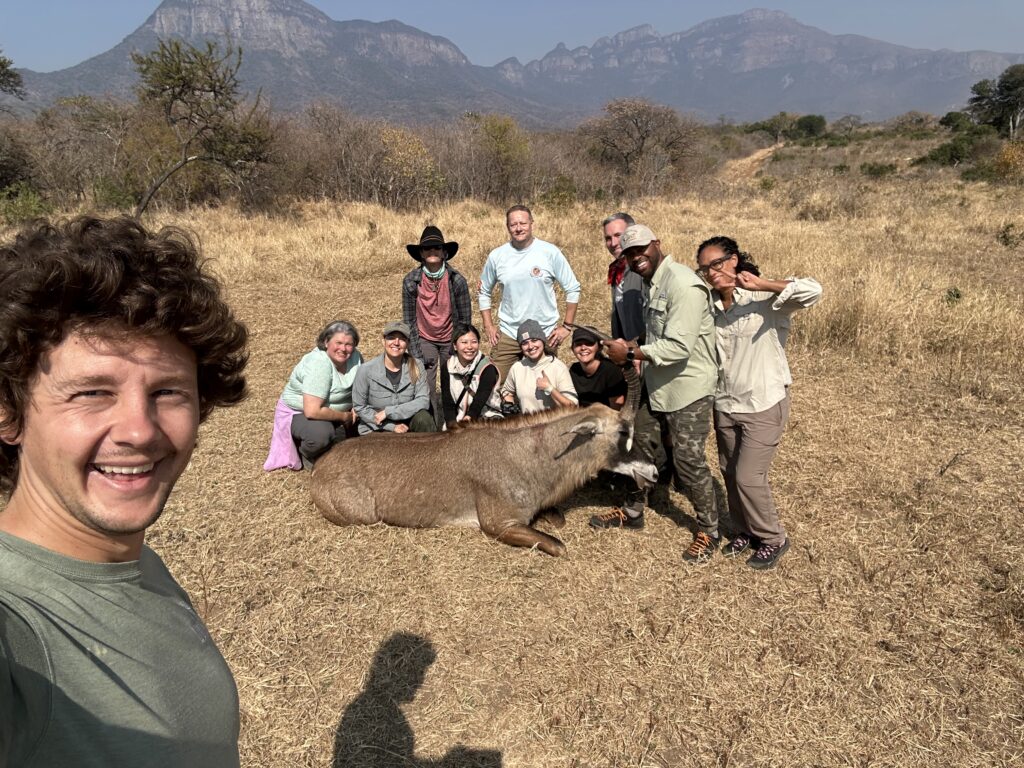
Emily Spence, Curator of Africa at the Virginia Zoo, utilized a Conservation and Research Grant to participate in wildlife conservation in South Africa. Through the organization Global Protagonists, she joined a team to engage in crucial conservation activities, including rhino dehorning to combat poaching.
Daily Highlights:
-
Monday: Emily was involved in moving male antelope for breeding at Madrid Game Reserve and visited the Moholoholo Wildlife Rehabilitation Centre.
-
Tuesday: She assisted in anesthetizing and moving cape buffalo and aiding state veterinarians in tuberculosis testing.
-
Wednesday & Thursday: At Selati Game Reserve, Emily dehorned rhinos, helping safeguard them against poaching. She learned about community conservation efforts with the Black Mambas organization.
-
Friday: Emily helped with sable antelope embryo transplants, including practicing darting from a helicopter.
-
Saturday: On her final day, Emily went on a safari in Kruger National Park, observing various wildlife, which highlighted the challenges they face during the dry season.
Emily’s experience reinforced her commitment to conservation, enhancing her ability to educate others about these critical efforts. She is grateful for the Virginia Zoo’s support in such initiatives.
- The role of the Virginia Zoo in wildlife conservation and education.
- Overview of Emily Spence’s conservation trip to South Africa.
- The specific conservation projects and veterinary procedures involved in wildlife protection.
- The impact of human activity on wildlife populations and habitats.
- How individuals can contribute to wildlife conservation efforts.
The Virginia Zoo plays a significant role in wildlife conservation and education. As a leading institution, it fosters awareness about the pressing issues related to animal species, ecosystems, and the interdependence of humans and wildlife. Through hands-on programs, community initiatives, and field research opportunities, the zoo develops an active platform for conservation efforts. This includes everything from the rehabilitation of injured animals to global efforts aimed at preserving endangered species.
Emily Spence, the Curator of Africa at the Virginia Zoo, recently took part in a transformative conservation trip to South Africa, supported by the Virginia Zoo Conservation and Research Grant. This funding allowed her to engage in on-site conservation projects while gaining invaluable field experience. Her time in South Africa highlights the importance of direct involvement in wildlife conservation, showcasing the various methods undertaken to protect endangered species.
During her trip, Emily participated in projects that included rhino dehorning and relocation of various antelope species. Rhino poaching is a critical issue that impacts the survival of these majestic creatures. The demand for rhino horns, driven by false beliefs about their medicinal properties and their status symbol value, has led to a drastic decline in rhino populations worldwide. Participating in dehorning efforts helps reduce the incentive for poaching, allowing these animals a greater chance of survival.
On the first day of her fieldwork, Emily collaborated with a veterinarian from Global Protagonists at the Madrid Game Reserve. This organization strives to connect volunteers with frontline conservation projects. The team’s primary task was to relocate male antelope to enhance genetic diversity. During this work, they drew blood samples and treated the animals for ticks, effectively illustrating how veterinarians adapt techniques used for domestic animals to help wildlife.
The second day took Emily into the mountainous terrains of a private reserve as they worked with cape buffalo. This species poses significant challenges, particularly regarding disease management. The team strategically anesthetized and separated buffalo for testing, demonstrating how veterinary science applies critical methods to monitor animal health in the wild and ensure population health through appropriate medical treatment.
Throughout her time in South Africa, Emily’s work emphasized the impact of human activities on wildlife populations. The conservation projects she engaged in, such as the dehorning of rhinos and the health management of antelope populations, directly address the threats posed by poaching and habitat loss. The use of technology, such as drones for monitoring wildlife, showcases how innovative strategies can improve traditional wildlife management practices. By utilizing both advanced tools and hands-on veterinary care, Emily and her team are addressing the immediate threats faced by these species.
In the area of rhino conservation, Emily learned about the methods employed to dehorn rhinos safely. This operation requires precision and expertise, illustrating the collaborative nature of wildlife conservation. With a goal to reduce poaching pressure, removing the horn does not harm the animal, thus allowing it to live without one of its most valuable features for poachers.
Another critical facet of Emily’s trip was her engagement with local communities and organizations like the Black Mambas. This anti-poaching unit works tirelessly in Greater Kruger National Park to protect local wildlife while fostering community relationships. Their efforts demonstrate how conservation is not limited to animal welfare but extends to the human aspect, encouraging local participation in sustainable practices. By changing mindsets about poaching and promoting an understanding of wildlife’s importance, groups like the Black Mambas play a vital role in conservation efforts.
Emily also had the unique opportunity to observe the creation of sustainable solutions for wildlife management. For instance, the embryo transplant project in sable antelopes emphasizes the importance of genetic diversity across populations. By proactively managing genetics, conservationists can enhance the resilience of these animal species against diseases and environmental changes.
There is an urgency for the general public to engage with and support conservation efforts. Organizations like the Virginia Zoo provide a platform for people to contribute directly to wildlife conservation. Donations to specific funds help in financing vital research and in-situ conservation efforts. Educational programs create awareness about the pressing issues facing wildlife and how individuals can make a difference in their everyday lives.
Overall, Emily Spence’s experiences in South Africa underscore the complex challenges of wildlife conservation today. The dedication of organizations dedicated to this field amplifies the message that every individual can contribute positively to the environment. By participating in educational initiatives, volunteering, or simply spreading awareness, one can help to safeguard endangered species and contribute to a sustainable future.
The Virginia Zoo’s commitment to contributing to conservation through field programs like Spence’s is vital. Experiences like this inspire zoo staff to enhance their work back home, utilizing new knowledge to educate the public and inspire action. The cycle of education, action, and advocacy is crucial in the fight against the declining populations of many species worldwide.
Wildlife conservation can no longer be viewed as an isolated endeavor. Every action taken by an individual, whether volunteering time or resources, can collectively lead to monumental changes in ensuring the survival of various species. Through dedicated efforts and collaborations across the globe, individuals and organizations alike can contribute to a more sustainable and wildlife-rich future.
