
- The Importance of Zoos in Conservation Efforts
- Engaging with Wildlife: Educational Programs and Experiences
- The Role of Citizen Science in Biodiversity
- Innovative Approaches to Zoo Management
- Exploring San Antonio’s Unique Wildlife Attractions
Zoos have evolved significantly over the last century, transitioning from mere exhibition spaces to vital centers for wildlife conservation. In today’s context, zoos represent much more than just a chance to see exotic animals. They serve as crucial sanctuaries for endangered species and play a pivotal role in species preservation. Zoos contribute to conservation efforts through breeding programs, habitat restoration, and public education campaigns. These initiatives aim to combat the alarming decline in biodiversity caused by habitat loss, climate change, and poaching.
Within the framework of wildlife conservation, zoos help support various initiatives. For instance, many accredited zoos partner with conservation organizations around the globe. Such collaborations enable them to conduct research in situ or on-site within animal habitats and ex situ in controlled environments. These efforts raise awareness about the challenges animals face in the wild. They also encourage visitors to engage in responsible behaviors that positively impact animal welfare and ecosystem health. This combined approach is essential to achieving lasting success in conservation, especially amidst the ongoing environmental crises.
Engagement through educational programs forms a key component of a successful zoo. These programs invite individuals and families to participate in learning experiences that promote wildlife appreciation and conservation awareness. From interactive sessions to guided tours, zoos can create memorable encounters with diverse species. They empower visitors to understand the importance of environmental stewardship. Children, in particular, benefit greatly from such programs; they foster a sense of wonder and curiosity about the natural world.
Educational experiences in zoos often emphasize key topics like biodiversity, habitats, and the ecological roles of different species. For example, workshops may focus on the significance of amphibians in their ecosystems. Participants learn about their roles as both prey and predator, thus explaining their indispensable part in food webs. Zoos may also conduct special events featuring conservationists and scientists, allowing guests to engage with experts and ask questions. This interactive method enhances understanding and reinforces the urgent need to protect endangered species.
In San Antonio, learning experiences are innovative and diverse. The San Antonio Zoo continuously adapts its programs to engage community members of all ages. Whether it’s summer camps for kids or evening lectures for adults, the zoo showcases local wildlife and international species alike. By incorporating rich storytelling and hands-on activities into their initiatives, visitors leave with lasting knowledge and inspiration.
Citizen science serves as another effective avenue for connecting individuals to wildlife conservation. This approach allows everyday people to participate in scientific research, often contributing valuable data to ongoing conservation projects. For instance, citizen science programs invite volunteers to monitor local wildlife populations, record observations, and report data on species distribution. Such initiatives have proven useful in various conservation assessments, enabling experts to make informed decisions about species management and habitat protection.
Additionally, citizen involvement helps cultivate a deeper appreciation for local ecosystems. It empowers individuals to feel invested in the health of the environment and encourages them to advocate for conservation policies. The synergy between citizen science and professional research fosters a sense of community around conservation efforts, ultimately leading to enhanced protection for wildlife.
Innovative approaches to zoo management play an essential role in promoting animal welfare while achieving conservation goals. It is crucial that zoos focus on not just the animals’ physical needs, but also their psychological well-being. This holistic perspective encompasses proper enrichment, socialization opportunities, and habitat designs that prioritize species-specific behaviors. By providing environments that mimic natural habitats, zoos create enriching experiences that promote mental stimulation.
Via technological advancements, staff can monitor animal health through non-intrusive methods like remote cameras and sensors. These innovations enable zookeepers to assess animal behavior continuously, making swift adjustments to care as needed. Innovations in enclosure design also contribute to enhanced animal welfare by allowing for different levels of interaction with the environment. Enclosed environments that more closely resemble natural habitats facilitate natural behaviors, enabling animals to thrive.
The San Antonio Zoo exemplifies these attributes by implementing forward-thinking management techniques that prioritize animal welfare and visitor engagement. For example, its immersion exhibits draw inspiration from natural ecosystems, offering guests not just a view but an experience that feels authentic. Such designs enhance visitor understanding while promoting better care for the animals.
In San Antonio, engaging with the local environment is not limited to the zoo. The city boasts a range of wildlife attractions that showcase the unique biodiversity of Texas. From the natural beauty found in local parks to the nearby Hill Country, there are numerous opportunities for residents and visitors to explore the wildlife that makes this region special.
Texas is home to a plethora of habitats, including deserts, wetlands, and forests. This diverse range of ecosystems supports a wide variety of species, from the iconic Texas horned lizard to the endangered whooping crane. Many organizations in San Antonio focus on protecting these species through educational efforts and conservation initiatives.
Exploring these local attractions connects individuals with nature while highlighting the importance of preserving habitat for wildlife. Engaging communities in conservation efforts also strengthens local stewardship and encourages sustainable living. Walking trails, educational kiosks, and family-friendly events make this accessible for everyone.
Lastly, as urbanization continues, protecting wildlife habitats becomes increasingly important. Collaborative efforts among local governments, non-profit organizations, and community members are essential to achieving this goal. By advocating for green spaces and preserving natural habitats, residents of San Antonio contribute to a growing movement focused on safeguarding local biodiversity.
Through conservation efforts, educational programs, citizen engagement, innovative zoo management, and local partnerships, San Antonio stands out as a beacon of hope for wildlife conservation. Zoos and wildlife organizations are increasingly recognized for their role in protecting species and their habitats. This collaboration provides multiple avenues for individuals to engage with wildlife, fostering a community dedicated to preservation.
As visitors embark on their journey through San Antonio, they tap into a wealth of knowledge and experiences. They witness firsthand the impact of coordinated conservation efforts and the importance of maintaining biodiversity. Through thoughtful engagement with animals and local ecosystems, individuals can discover the shared responsibility of caring for our planet.
By focusing on education and conservation, zoos can inspire future generations to continue this essential work. While there is still much to be done to protect wildlife and ecosystems, ongoing efforts highlight a shared commitment to fostering a sustainable relationship with nature. As such, every visit, every educational program, and every citizen science contribution contributes to a larger narrative of hope, resilience, and responsibility.
The journey to understanding and protecting the intricate tapestry of life on Earth continues, and the community in San Antonio has become an essential part of this global mission. Wildlife conservation is a collaborative effort, and every action counts in ensuring a future where diverse species can thrive alongside humanity.
*****
Source Description
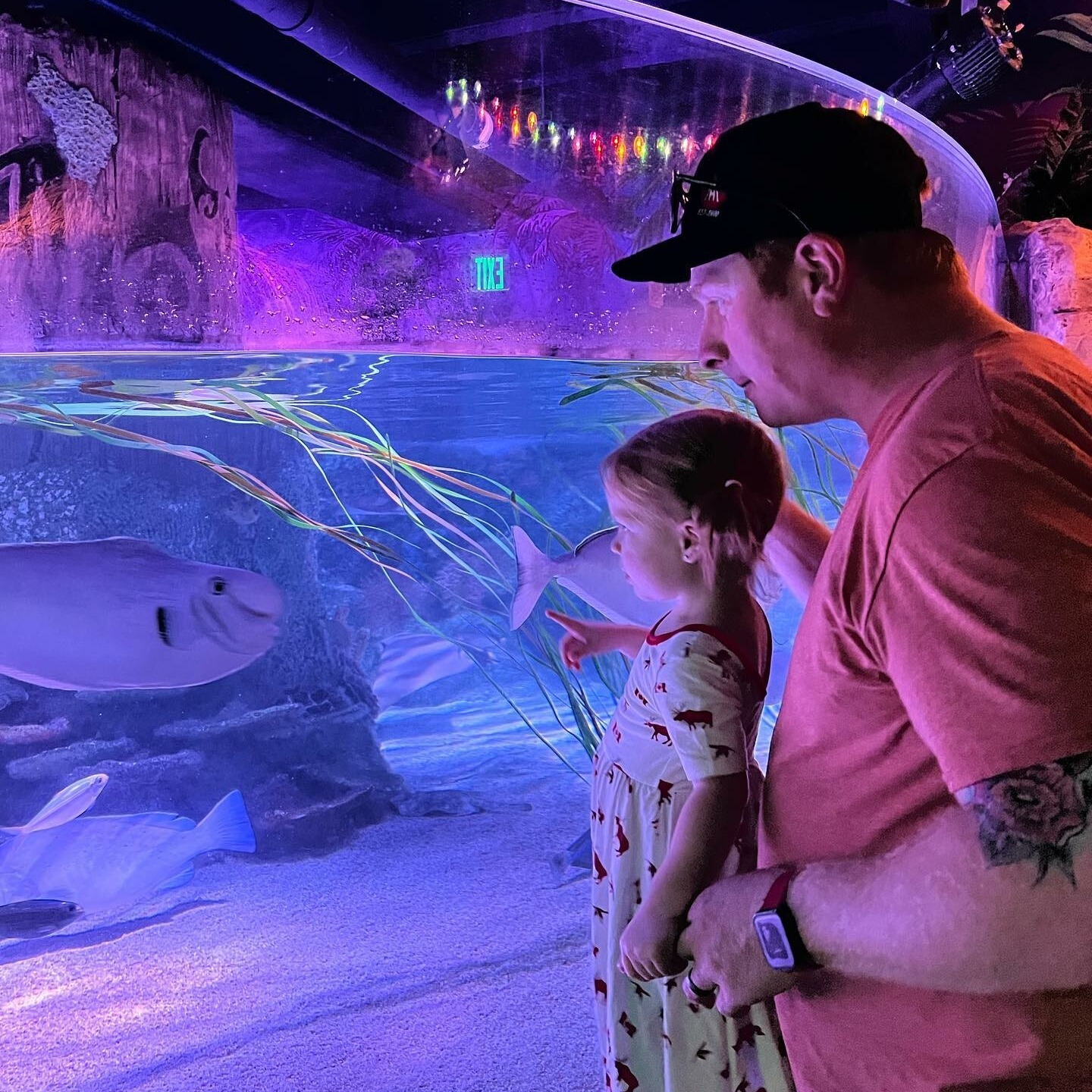
Discovering a whole new world, together. 💙
📸: blakereesejohnson
📍 San Antonio
