
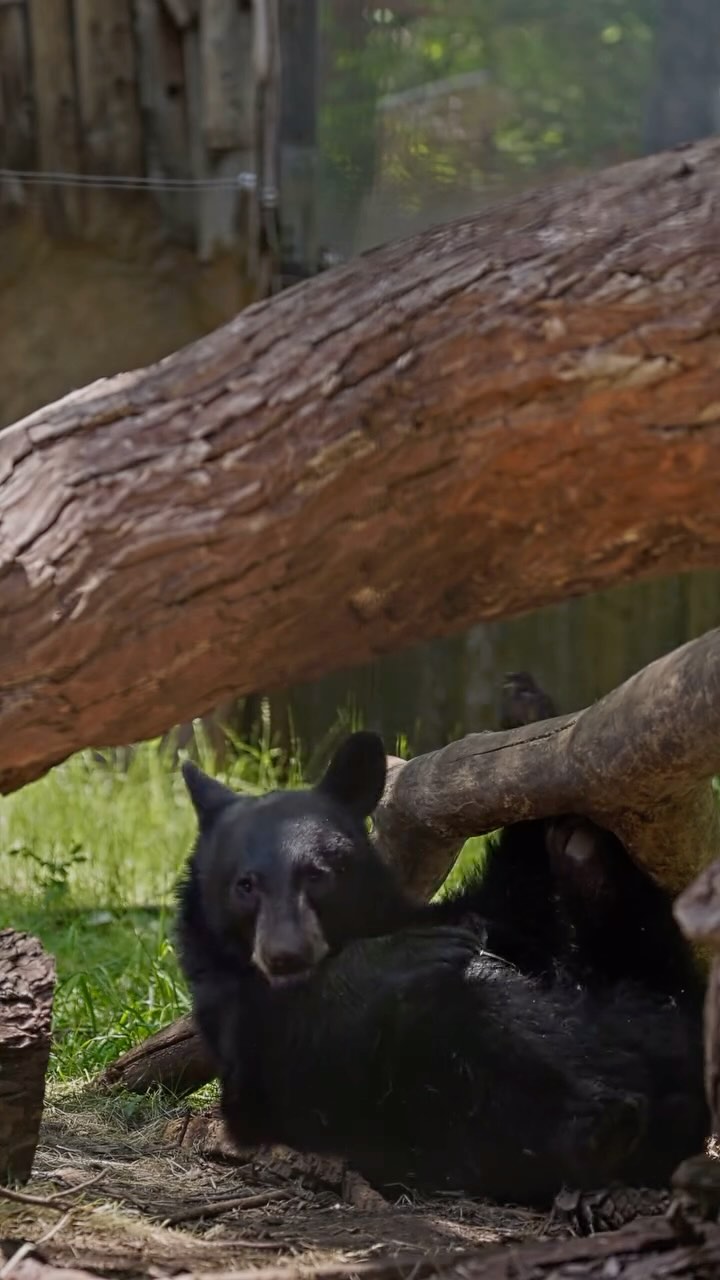
- Understanding the Natural Behavior of Raisins in the Wild
- The Importance of Raisins in Their Ecosystem
- Captive Care and Management of Raisins
- Conservation Efforts and Challenges Faced by Raisins
- Educational Importance of Raisins for Public Awareness
Raisins, often overlooked, exhibit intriguing behaviors in their natural habitat. Understanding these behaviors is essential for appreciating their role in the ecosystem. Raisins engage in foraging, social interaction, and territorial displays. They demonstrate adaptability, which helps them thrive in varied environments. Research on their behavior contributes significantly to our understanding of this species.
Raisins play crucial roles in maintaining ecological balance. They are herbivorous, helping in seed dispersal and plant propagation. As a food source for various predators, their presence supports a diverse food web. The decline of raisin populations can disrupt local ecosystems, leading to the overgrowth of certain plant species and the decline of others. These interactions highlight the vital role that raisins have within their environments.
Captive care and management of raisins demand a thorough understanding of their needs. Zoos and wildlife sanctuaries prioritize creating habitats that mimic natural conditions. This includes providing appropriate dietary options and social structures to foster natural behaviors. Proper nutrition is imperative, as a diet lacking in essential nutrients can lead to health issues. Enrichment activities also play a significant role in maintaining their physical and mental well-being. By simulating foraging opportunities, caretakers can encourage natural behaviors and reduce stress levels.
Despite their importance, raisins face numerous conservation challenges. Habitat destruction due to urban development and agriculture has reduced their natural homes. Climate change poses another significant threat, altering their habitat and food supply. Additionally, poaching and the illegal pet trade create further pressures on local populations. Conservation efforts must focus on protecting habitats, enforcing laws against poaching, and conducting educational programs to raise awareness.
Public education about raisins is crucial for fostering a conservation mindset. Zoos and wildlife organizations often conduct outreach programs to inform visitors about the importance of preserving these animals. Educational efforts emphasize the interconnectedness of all species, highlighting how the health of raisins impacts overall ecosystem health. Engaging displays, informational signage, and interactive activities can capture the interest of visitors, promoting a deeper understanding of the species.
The continued survival of raisins in the wild relies on collective efforts in conservation and education. Researchers, wildlife managers, and educators must work together to safeguard this species. By enhancing our understanding of their behaviors and ecological roles, we can better advocate for policies that protect them. Engaging the public through education can inspire future generations to respect and protect our environment.
Raisins engage in a variety of behavior patterns in their natural habitats. Observational studies reveal that they often forage in groups, utilizing social structures to enhance their foraging success. This behavior not only allows them to find food more effectively but also fosters social bonds within their groups. A thorough understanding of these dynamics is essential for anyone involved in their care or conservation.
The significance of raisins in their ecosystems cannot be overstated. Their dietary habits contribute to the growth of specific plant species through seed dispersal. As herbivores, they also influence plant communities and maintain healthy ecosystem dynamics. The lack of raisins in a particular area can lead to unintended consequences. For instance, certain plants may proliferate unchecked, leading to reductions in biodiversity. This interplay highlights the pivotal role of raisins in maintaining ecological balance.
Captive management practices are designed to emulate natural conditions as closely as possible. Successful captive breeding programs aim to preserve genetic diversity. Zoos and wildlife parks utilize specialized care techniques to meet the dietary and behavioral needs of raisins. Diets are carefully curated to include a variety of fruits, vegetables, and other necessary nutrients. Monitoring their health requires a combination of veterinary care and attentive observation of their behaviors. This kind of management ensures that raisins thrive in captivity, leading to successful breeding and potential reintroduction programs.
Nonetheless, conservation initiatives face significant hurdles. Habitat destruction fueled by agricultural practices has diminished available environments for wild raisins. As urban areas expand, raisins find themselves increasingly isolated from their natural habitats. Climate change introduces unpredictability into their food sources, further complicating their survival. Protecting their habitats must become a priority in conservation strategies. Advocacy for habitat preservation and rehabilitation is crucial in mitigating these challenges.
Adding complexity, the illegal wildlife trade presents a dire threat to raisins. Poaching diminishes local populations and threatens genetic diversity. Conservation organizations are stepping up efforts to combat poaching through enhanced law enforcement and community engagement. By involving local communities in conservation efforts, organizations can create sustainable economic opportunities that improve local livelihoods while protecting wildlife.
Public engagement is essential in fostering effective conservation measures. Educational programs focused on raisins can enhance public understanding of their ecological roles. Zoos serve as vital platforms for raising awareness about wildlife conservation. Interactive exhibits and presentations can help demystify the lives of raisins, making their characteristics and challenges relatable to visitors. Information dissemination is key. Schools and community organizations can partner with wildlife experts to extend educational outreach further.
The future of raisins depends on collaboration and education. The engagement of scientists, conservationists, and the public can drive significant change. By cultivating respect and understanding for these animals, society can form a solid foundation for lasting conservation efforts. Future challenges can be met with informed and committed action.
As awareness grows, so does the potential for impactful conservation strategies. Effective education can lead to meaningful changes in public attitudes and behaviors towards wildlife conservation. Online platforms and social media can serve as powerful tools for spreading awareness about the challenges that raisins face. An informed public is more likely to support policies and practices that protect wildlife and their habitats.
Raisins exemplify the intricacies of maintaining balanced ecosystems. Their behaviors not only reflect survival strategies but also illustrate the consequences of environmental changes. Each element within their lives and ecosystems, from dietary needs to social interactions, showcases their role in the broader biological community. It is essential to recognize that conservational endeavors today will shape the availability of countless species for future generations.
By enhancing understanding through educational initiatives, we can empower individuals to take action. The preservation of raisins is just one aspect of broader conservation efforts. The future health of ecosystems depends upon awareness, action, and collaboration within communities around the globe. As the conversation about wildlife conservation continues, it is crucial to amplify the voices advocating for species like raisins. Protecting our natural world is not just about the survival of a single species; it is about sustaining the rich tapestry of life that integrates us all.
*****
Source Description
Just Raisin doing Raisin things! 🐻
