
- Overview of the Central Park Zoo and its significance in wildlife conservation
- Detailed descriptions of resident bird species: African pygmy geese, white-naped cranes, Nicobar pigeons, and white-rumped shamas
- The role of zoos in education and public awareness about avian species and their habitats
- Conservation efforts related to the species housed at the Central Park Zoo
- Visitor experience and educational opportunities at the zoo
The Central Park Zoo, nestled in the iconic landscape of Manhattan, serves as a crucial link between urban life and wildlife conservation. Its mission involves not just the display of animals but a commitment to education and species conservation. The zoo hosts a diverse array of bird species; among them are the African pygmy goose, white-naped crane, Nicobar pigeon, and white-rumped shama. Understanding these birds and their challenges helps foster appreciation and awareness among visitors.
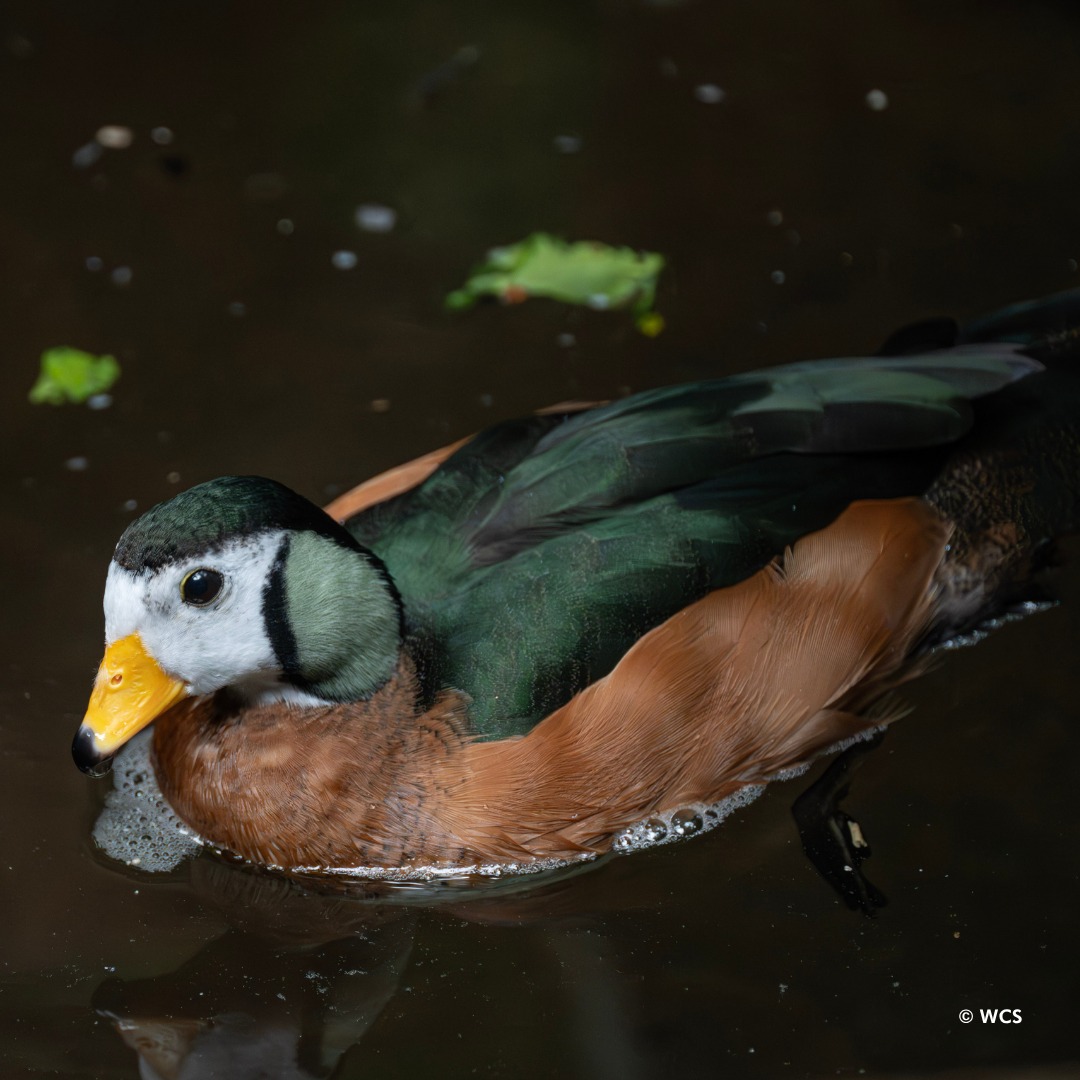
African pygmy geese are small, striking birds recognized for their vibrant plumage. These geese measure between 12 to 16 inches in length and exhibit an iridescent mix of greens, blues, and yellows. They inhabit shallow freshwater lakes and marshes in sub-Saharan Africa, often preferring areas with dense vegetation. Their diet mainly consists of aquatic plant seeds, insects, and small invertebrates, contributing to their role as a part of their ecosystem.
The white-naped crane stands out with its elegant presence, characterized by its long neck and striking white markings on its head and neck. Standing at about 4 feet tall, these cranes are found in the wetlands of East Asia, where they face threats from habitat loss and hunting. Their diet varies, including plants and small animals, which further emphasizes their role in maintaining the balance of their ecosystems.
Equally fascinating is the Nicobar pigeon, a close relative of the common rock pigeon. This bird displays an iridescent coat of green and blue feathers, with a unique ruffled appearance on its neck. The Nicobar pigeon is endemic to the Nicobar Islands, and its population is gradually declining due to habitat destruction and hunting. As seed dispersers, they play an essential role in their habitats, helping to maintain biodiversity.
Lastly, the white-rumped shama enchants visitors with its melodious song and vibrant colors. These small birds, native to Southeast Asia, thrive in dense forests, often near water. They exhibit complex social behaviors and are known for their striking plumage, predominantly black with an orange underbelly. Their diet consists of insects, fruits, and berries, making them significant players in their ecosystems as both predators and prey.
The Central Park Zoo prides itself on playing an educational role. It not only attracts thousands of visitors year-round but also serves as a platform to educate the public about avian species and their conservation. Educational programs and exhibits provide insights into the lives and challenges faced by these bird species. Visitors can learn about their natural habitats, diets, and behaviors, fostering a deeper appreciation for wildlife.
Zoos like Central Park Zoo also contribute actively to conservation efforts. Many of the birds found here are part of breeding programs aimed at increasing populations of threatened species. Collaborations with international organizations ensure that efforts are science-based and impactful. For example, initiatives to rehabilitate the Nicobar pigeon focus on habitat preservation strategies. These efforts are crucial for ensuring that the species can thrive in the wild.
Visitor experiences at the Central Park Zoo feature guided tours, interactive exhibits, and educational programs that engage the audience. Birdwatching areas allow visitors to observe the unique behaviors of the various species, enhancing their understanding of avian life. Additionally, zoo staff members conduct presentations that highlight the importance of conservation, providing further insights into the daily care and management of the zoo’s inhabitants.
In conclusion, the Central Park Zoo is a vital space not only for viewing fascinating bird species but also for promoting education and conservation. By showcasing the African pygmy goose, white-naped crane, Nicobar pigeon, and white-rumped shama, the zoo informs visitors about the threats these species face and the collective responsibility to protect them. Through its various educational offerings, Central Park Zoo inspires a sense of stewardship towards wildlife and encourages visitors to appreciate the natural world in its full diversity.
*****
Source Description
The Central Park Zoo is home to many varieties of birds, including African pygmy geese, white-naped cranes, Nicobar pigeons, and white-rumped shamas. Which birds are you most excited to see when you visit?
📸: WCS photographer, Terria Clay
