
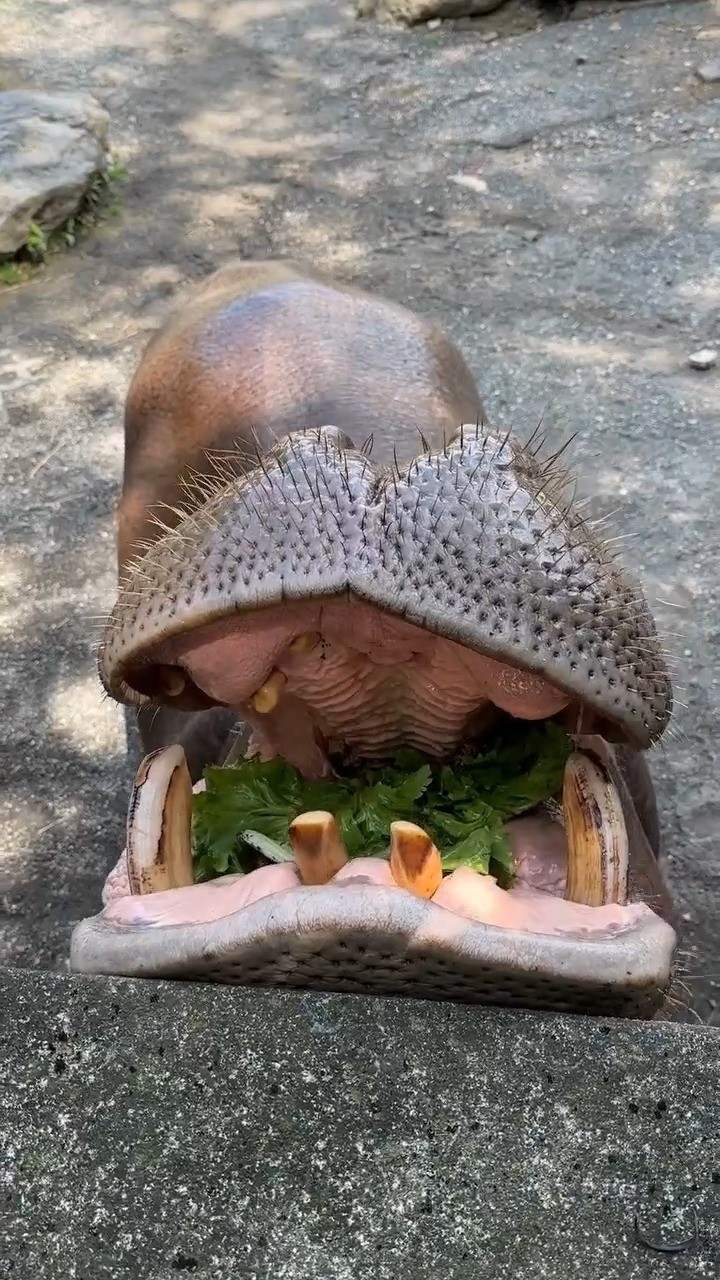
- The dietary habits of hippos and their impact on ecosystems
- The anatomical and physiological adaptations of hippos suited for herbivorous lifestyles
- The role of hippos in their habitats and the significance of conservation efforts
- The challenges facing hippo populations in the wild
- The importance of public engagement and education in hippo conservation
Hippos, scientifically known as Hippopotamus amphibius, are fascinating creatures primarily found in sub-Saharan Africa. They thrive in rivers, lakes, and mangrove swamps, showcasing their amazing adaptations for both aquatic and terrestrial living. Central to their existence is their distinctive herbivorous diet, with adult hippos consuming vast quantities of vegetation each day, ranging from 80 to 100 pounds of grass and other greens. This eating habit not only sustains them but also plays a crucial role in maintaining healthy ecosystems.
The dietary habits of hippos significantly impact their habitats. As herbivores, they are instrumental in shaping the structure of the vegetation in their environments. Their grazing activity promotes the growth of new grasses, enabling a balanced ecosystem. This process can lead to increased biodiversity, as other animal species benefit from the healthy plant growth encouraged by hippo grazing.
Additionally, hippos utilize their dental structure to their advantage. Their large canine teeth, which can grow quite large, play a dual role in feeding and in social interactions. During mating rituals or territorial displays, these teeth serve as tools for aggression and defense. The shape and size of their mouths allow them to take large bites of grass, an adaptation fine-tuned for their specific herbivorous lifestyle. Understanding these features is essential for anyone interested in the biology of hippos and their role in the ecosystem.
Hippos contribute significantly to the health of their aquatic environments. As they enter water bodies, their excreted waste provides nutrients that stimulate algal blooms, which serve as the foundation of the aquatic food web. This nutrient cycling is vital, illustrating how hippos help sustain both terrestrial and aquatic life. Moreover, the disturbances created by hippos submerging play a role in oxygenating water and shaping riverbanks.
However, hippos face numerous challenges that threaten their populations. Habitat loss due to agricultural expansion, urbanization, and human encroachment has severely impacted their natural habitats. Climate change also presents an existential threat, altering water levels and food availability in their traditional living areas. These stresses can lead to higher mortality rates and reduced reproductive success, challenging the viability of hippo populations.
Illegal poaching poses another significant risk. Hippos are hunted for their ivory canines, skin, and meat, further depleting their numbers. Conservation efforts must focus on protecting these animals through legislation, habitat restoration, and anti-poaching initiatives.
Public engagement carries a crucial role in hippo conservation. Education campaigns can raise awareness about the importance of hippos in their ecosystems and promote sustainable practices. Zoos and wildlife sanctuaries play a pivotal part in these efforts. They not only provide safe havens for hippos but also educate the public about the challenges faced by these magnificent creatures. Many facilities conduct research and contribute to global conservation strategies aimed at protecting hippos in the wild.
Captive breeding programs in zoos can help bolster declining populations. These programs maintain genetic diversity and prepare individuals for potential reintroduction into their natural habitats. For successful conservation, learning from these programs is essential.
The collaborative approach among governments, non-profit organizations, and local communities forms the backbone of effective conservation strategies. Engaging local populations in conservation provides economic incentives to protect hippos. Community-managed conservation programs encourage sustainable land use and discourage poaching, which can result in a healthier balance between human activity and wildlife preservation.
Another vital aspect of hippo conservation involves habitat protection. Establishing protected areas and national parks ensures that hippos have access to the resources they need to thrive. Effective management of these protected areas not only aids in the survival of hippos but also allows for the flourishing of numerous other species that share their habitat.
Research plays a key role in developing successful conservation strategies. Understanding hippo behavior, reproductive patterns, and social structures provides valuable insights into their biology. This knowledge assists conservationists in implementing targeted initiatives that address specific needs.
Ongoing studies reveal fascinating details about hippopotamus social interactions. They live in groups, typically referred to as pods, which can consist of ten to thirty individuals. These pods generally consist of females, their offspring, and a dominant male. The social structure of hippos is more complex than previously thought, comprising intricate bonds and hierarchies. By observing social interactions, ecologists can evaluate the health of populations and predict how they might respond to environmental changes.
Hippos exhibit territorial behavior, particularly among males. Dominant males guard their territory from rivals, showcasing aggressive displays involving vocalizations and physical confrontations. This behavior is vital for maintaining the genetic flow among hippos, as it ensures that only the strongest males mate with females. These established territories play a crucial role in the social dynamics of hippos and influence their breeding success.
Moreover, the physiological adaptations of hippos are fascinating. Their skin secretes a natural sunscreen, often referred to as blood sweat, which keeps them from overheating and protects them from harmful UV rays. This adaptation is particularly vital, considering hippos spend much of their time in direct sunlight while grazing onshore during the cooler hours of the evening and night.
Hippos also possess a unique mechanism for underwater movement. They can hold their breath for up to five minutes while swimming or submerging. Their eyes, ears, and nostrils are positioned on top of their heads, allowing them to breathe while mostly submerged. This adaptation minimizes their vulnerability to predators while in the water.
The instinctual behavior of hippos toward their young is another critical aspect of their biology. A mother hippo will keep her newborn close, often using her body to shield it from potential dangers. The bond between mother and calf is strong, as calves rely on their mother’s presence for protection and nourishment during their vulnerable early weeks.
In understanding the complexity of hippos and their critical role in ecosystems, it is essential to engage in public awareness campaigns to bridge the gap between conservationists and local communities. An informed public is more likely to support conservation initiatives and sustainable practices that protect hippos and their environment.
Storytelling and educational programs that focus on the interconnectedness of all species can create a more empathetic view toward hippos. By highlighting how hippos contribute to healthy ecosystems, we inspire action and foster a sense of responsibility among individuals and communities.
Ultimately, the conservation of hippos transcends the preservation of a single species; it speaks to the health of entire ecosystems. Protecting hippo populations ensures a balance in their habitats, which impacts a myriad of other organisms, from the smallest plants to the largest predators.
Keeping hippos thriving in the wild requires a multifaceted approach. Successful conservation hinges on collaboration, public engagement, research, and habitat protection. As leaders in conservation and wildlife management continue to develop strategies and initiatives, it becomes crucial for everyone to play a part. By raising awareness and understanding the integral role of hippos within their ecosystems, we can strive to create a future where these majestic giants continue to flourish.
Forty years ago, hippos were a common sight in many parts of Africa. Today, due to various human impacts, their populations are dwindling, highlighting the importance of urgent conservation efforts. As we educate ourselves and engage with these issues, we lay the groundwork for a vibrant future for hippos and the natural ecosystems they support.
*****
Source Description
one 🥬 comment = one HAPPY 36th BIRTHDAY CINDY!!!
Hippos are mainly herbivores and can consume anywhere between 80-100lbs of greens a day!
