
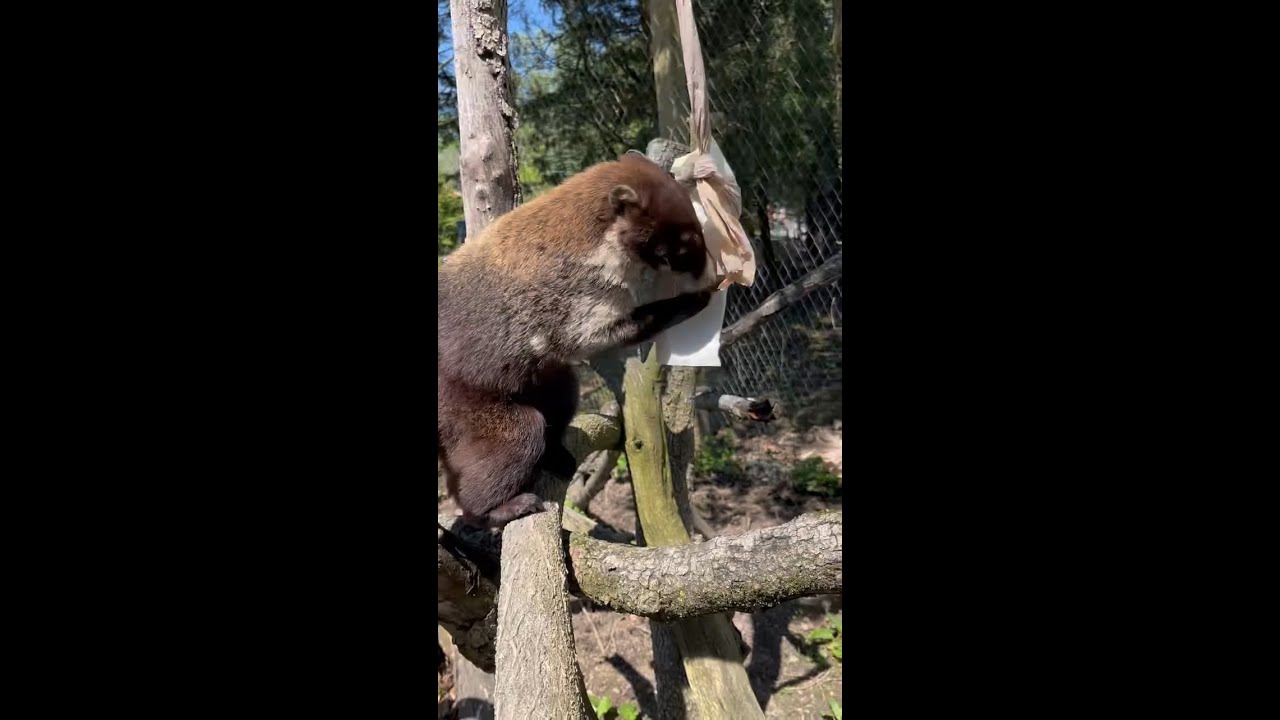
- The ecology and behavior of the honey coati, including its natural habitat and social structure.
- The role of zoos in wildlife conservation and how the Hanging Out with Honey Coati experience contributes to educational efforts.
- The importance of animal enrichment programs in zoos and how they benefit both animals and visitors.
- Challenges faced in zoo management and conservation initiatives for species like the honey coati.
- The significance of public engagement in conservation and how interactive experiences can foster environmental stewardship.
The honey coati is a fascinating creature, captivating many with its intriguing behaviors and social dynamics. Native to the tropical forests of Central and South America, these animals are adept at navigating the dense foliage of their environment. Coatis are diurnal and social, often seen in bands, predominantly consisting of females and their offspring. This social structure aids in foraging and provides protection against predators.
Their diet is omnivorous, consisting of fruits, insects, and small vertebrates, showcasing their adaptability in various ecosystems. The honey coati’s versatile diet plays a critical role in seed dispersal, contributing to forest regeneration. Understanding these animals’ ecological roles helps emphasize the importance of their conservation.
Zoos serve as vital institutions for wildlife conservation, focusing on education and breeding programs to preserve various species. The Hanging Out with Honey Coati experience is designed to inspire curiosity and understanding about these creatures. Visitors gain insights into the coati’s life through immersive, hands-on experiences, learning about their behaviors and the challenges they face in the wild. These experiences are crucial in raising awareness about habitat destruction and the impact of human activities on wildlife.
Animal enrichment programs are essential in maintaining the physical and mental health of zoo animals. For honey coatis, enrichment can include puzzle feeders or interactive play sessions, replicating their natural foraging behaviors and social interactions. These activities encourage natural behaviors, promoting well-being and providing educational opportunities for zoo visitors. Observing animals engage with enrichment activities allows visitors to appreciate the intelligence and adaptability of the honey coati.
Zoo management faces numerous challenges, from ensuring high standards of animal care to engaging the public in meaningful conservation efforts. For species like the honey coati, breeding programs are intricate, requiring careful attention to genetic diversity and habitat simulation. Collaboration with international conservation organizations is often necessary to develop strategies for the protection of these animals both in captivity and in their natural habitats.
Public engagement is a cornerstone of successful conservation efforts. Interactive experiences like Hanging Out with Honey Coati are designed to connect people with wildlife, fostering a sense of responsibility for the natural world. By offering engaging educational programs, zoos can motivate individuals to participate in conservation initiatives, whether through supporting habitat preservation projects or adopting sustainable practices in their daily lives.
The honey coati embodies the challenges and opportunities within wildlife conservation. By examining their ecology, behavior, and the role zoos play in conservation, we can develop strategies that benefit both the animals and the ecosystems they inhabit. Educating the public through interactive experiences not only enriches visitors’ understanding but also inspires the next generation of environmental stewards.
*****
Source Description
Sweet Honey coati is definitely hanging around for today’s enrichment. Hidden in this packet is a tasty meal of quail. By presenting her diet new and surprising ways, we’re encouraging Honey to express her natural foraging behaviors.
📹 Keeper Nora
