
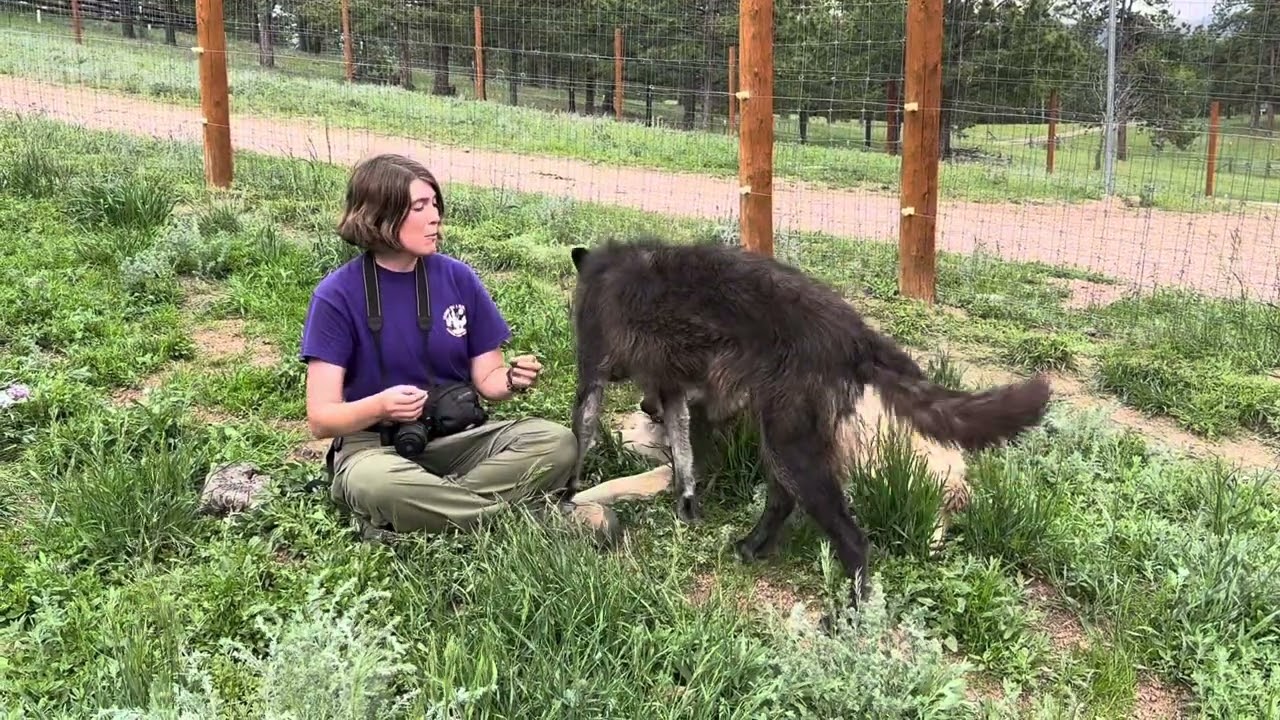
- The role of Wolf Talk programs in wildlife education and conservation.
- A focus on the new litters of wolf puppies in Colorado and their significance.
- The biology and social behavior of wolves, emphasizing pack dynamics.
- Strategies for effective zoo management and public engagement.
- The future of wolf conservation efforts and their challenges.
Wolf Talk programs have become an impactful platform for wildlife education and conservation, bringing experts and the public together to discuss pressing issues within wildlife management. One such event, Wolf Talk 6/18/2025, spotlights the fascinating subject of wolf puppies in Colorado, providing a unique opportunity to delve into their biology, conservation status, and the broader implications for wildlife management.
Wolves have long captured human imagination, symbolizing both the wild and the interconnectedness of ecosystems. Recent developments in Colorado are intriguing the scientific community. Several litters of wolf puppies have been documented, heralding a promising chapter in wolf recovery efforts in the region. The birth of these puppies not only signifies a momentous ecological event but also demonstrates successful conservation strategies.
The biology and social structure of wolves form the foundation of this discussion. Wolves are remarkably social animals, relying on complex pack dynamics for survival. A wolf pack typically consists of an alpha pair, their offspring, and sometimes other unrelated wolves. Pack behavior is driven by cooperation in hunting, pup-rearing, and protecting territory. Understanding these dynamics is crucial to appreciating the challenges faced by young wolves as they grow.
Effective zoo management plays a pivotal role in fostering public engagement and supporting wildlife conservation. Zoos involved in wolf conservation face the task of balancing educational goals with the ethical responsibility of providing for the animals’ physical and psychological needs. These facilities often collaborate with conservation organizations to create breeding and reintroduction programs. Wolf Talk events enhance public understanding by showcasing these collaborative efforts.
Public engagement is another core component of zoos’ missions. By offering engaging experiences, like live streams or interactive sessions during events, zoos can cultivate an informed and passionate audience. This approach not only benefits the animals but also galvanizes community support for wildlife protection initiatives. This alignment of education and conservation is visible in the strategies employed during programs like Wolf Talk.
Looking ahead, the future of wolf conservation involves addressing numerous challenges. Habitat loss, human-wildlife conflict, and genetic diversity are pressing issues that conservationists must tackle. Collaboration between government agencies, non-profits, and local communities is vital for creating sustainable solutions.
Programs like Wolf Talk 6/18/2025 play a crucial role in this collaborative effort. By disseminating knowledge and fostering public interest, they provide a platform where scientific research can translate into actionable conservation strategies. The conservation community continues to learn from and adapt to these discussions to refine efforts to protect these charismatic animals.
Ultimately, these initiatives underscore the importance of integrating scientific research with public policy and education. As new generations of wolves emerge, the lessons learned from these events will guide actionable conservation strategies, ensuring a thriving future for wolves in Colorado and beyond.
*****
Source Description
