
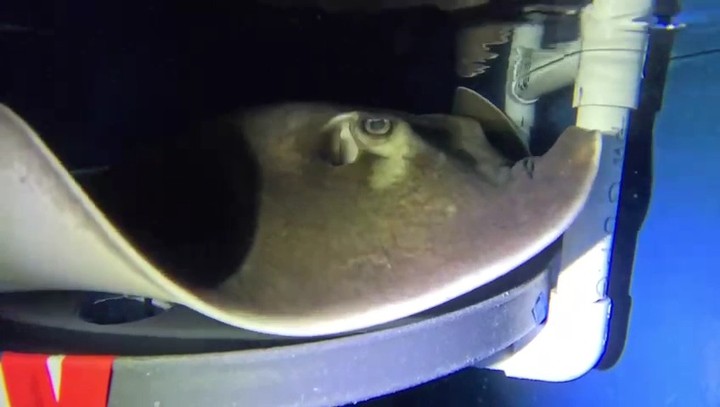
- Southern stingray biology and behavior
- Feeding practices in marine exhibits
- The role of aquarists and their care methods
- Conservation efforts related to stingrays and marine life
- The educational significance of exhibits like Ocean Wonders: Sharks!
Understanding the southern stingray (Dasyatis americana) involves diving into its anatomical and behavioral traits. These rays are distinguished by their flattened bodies and long, tapering tails. They are primarily found in shallow coastal waters of the Americas, where they inhabit sandy bottoms. This species exhibits unique adaptations suited for bottom feeding. Their mouths are located on the underside of their bodies, allowing them to efficiently consume a diet mainly consisting of mollusks, crustaceans, and small fish. In terms of size, southern stingrays can reach wingspans of up to 5 feet, making them a significant presence in their aquatic environments.
Feeding behavior is integral to the southern stingray’s biology. These creatures are considered bottom feeders, akin to vacuum cleaners of the ocean floor. They use their strong pectoral fins to hover just above the substrate and then manipulate their bodies to unearth buried prey. This process can be fascinating to observe, especially during feeding sessions at aquariums.
The careful management of feeding practices within marine exhibits plays a crucial role in the health of southern stingrays. At venues like Ocean Wonders: Sharks!, aquarists utilize platforms to facilitate feeding. These platforms allow the rays to come to the surface and interact with staff, enhancing the feeding experience while providing opportunities for close examination. This method serves two main purposes: the southern stingray feels more secure and comfortable while eating, and aquarists can monitor their physical health by observing their behavior and physical condition during feeding.
Keeper Kira’s interaction with a southern stingray on the feeding platform exemplifies the hands-on approach taken by skilled aquarists. This engagement is essential for animal welfare. By offering high-quality food items, keepers ensure nutritional needs are met. The close-up interaction allows aquarists to check for signs of illness or discomfort. Such practices highlight the daily responsibilities of keepers in marine facilities.
Aquarists undergo comprehensive training to develop skills in animal care and husbandry. Training covers diet formulation, environmental enrichment, and proper techniques for maintaining water quality. For southern stingrays, it’s crucial to replicate their natural habitat as closely as possible. This includes controlling temperature, salinity, and substrate types in their enclosures. This foundational knowledge assists aquarists in managing feeding and care routines effectively.
Conservation is another important aspect when discussing southern stingrays. Though these creatures face pressure from habitat degradation and fishing practices, various organizations work focused on their protection. Public aquariums play a crucial role in raising awareness about the conservation status of marine species. The educational programming found at Ocean Wonders: Sharks! informs visitors about the plight of southern stingrays. Such exhibits help foster a sense of connection between people and marine life. This interaction promotes greater public understanding and action on conservation issues.
Many species of stingrays, including the southern variety, are affected by fishing nets and other human activities. Public awareness can drive conservation initiatives that aim to safeguard these essential marine species. Moreover, through education, individuals learn how their actions affect marine ecosystems. This understanding is crucial, as public support is often a driving force behind successful conservation legislation.
The educational significance of exhibits like Ocean Wonders: Sharks! cannot be overstated. They serve as vital platforms for outreach and knowledge-sharing. Visitors often leave these spaces with newfound respect for marine animals and insight into the complexities of ocean ecosystems. Educational experiences are designed to create emotional connections. They help audiences comprehend the vital roles that marine creatures play in sustaining ecological balance.
In many ways, aquariums have become increasingly important for understanding marine biodiversity. The rising interest in wildlife conservation is partly due to the engaging exhibits that provide educational opportunities. Through species-specific programming, aquariums like Ocean Wonders: Sharks! inform the public about not just the animals themselves but also the habitats they occupy and the challenges they face.
Most importantly, institutions dedicated to marine life conservation provide a foundation for ongoing research. Ongoing studies on the behavior, reproductive patterns, and feeding habits of species like the southern stingray contribute to a broader scientific understanding. The data collected through interactions and observations in controlled environments informs conservation strategies aimed at protecting these animals in the wild.
For anyone keen on understanding marine environments, observing a southern stingray feeding process is illuminating. The combination of science, conservation, and education creates a holistic approach to marine wildlife management. Keepers and marine specialists possess the knowledge necessary to raise awareness about conservation efforts and the critical roles southern stingrays and other marine species fulfill.
To summarize, southern stingrays exemplify complex interactions within marine ecosystems. Their feeding behaviors, unique biological traits, and the crucial roles aquarists play in their care and conservation converge at exhibits like Ocean Wonders: Sharks! The platform feeding method not only enhances animal welfare but also allows aquarists to monitor and report on the health of the animals closely. Educational outreach efforts serve to bridge the gap between marine species and the public, fostering connections that can drive commitment to conservation. Understanding these elements is essential for anyone interested in marine biology, zoology, or wildlife stewardship.
*****
Source Description
In this we’re taking you into Ocean Wonders: Sharks! for a southern stingray feeding. Watch as one of our southern stingrays swims up onto a platform to accept food items from Keeper Kira. Since southern stingrays are bottom feeders, the platform gives them a comfortable surface for eating while allowing our team to physically examine them up close.
📽: Keeper Elena
