
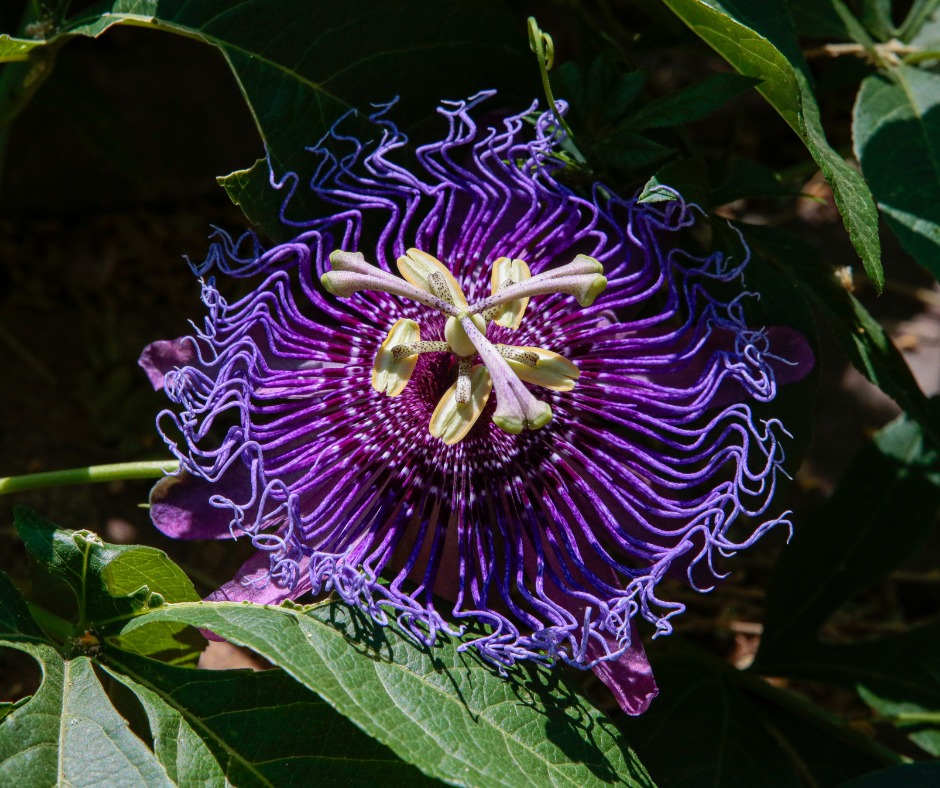
- Overview of Passiflora ‘Incense’ and its features
- Ecological significance and role in wildlife habitats
- Conservation efforts for Passiflora species
- Cultivation and care of Passiflora ‘Incense’ in gardens
- Importance of biodiversity and habitat preservation
Passiflora ‘Incense’ stands out in the diverse world of Passiflora species, commonly known as passionflowers. This particular cultivar enchants viewers with its intricate and flamboyant blossoms, characterized by a color palette that transitions from deep lavender to frosty white. Each bloom features a complex structure, comprised of a frilled corolla surrounded by prominent filaments. At first glance, Passiflora ‘Incense’ appears almost whimsical, as though crafted by an artist seeking to capture the essence of beauty and intricacy in nature.
Passiflora ‘Incense’ serves not only as a visual delight but also plays a vital role in local ecosystems. This climbing vine thrives in a variety of habitats, often seeking vertical spaces to flourish. In the wild, its tendrils allow it to ascend trees and shrubs, creating a natural green tapestry. By providing a habitat and food source for various insects, birds, and even some mammals, the plant becomes an integral component of its environment. Pollinators, such as bees and butterflies, are especially attracted to the vivid blooms, which serve both as sustenance and as breeding grounds. The symbiotic relationships formed in these ecosystems highlight the importance of Passiflora ‘Incense’ and its counterparts in maintaining ecological balance.
Conservation efforts targeting Passiflora species have gained momentum as many species face the threat of habitat destruction. Urban development, agricultural practices, and climate change present significant challenges to the survival of these plants. Organizations focused on wildlife conservation are initiating programs aimed at restoring native plant populations. By advocating for sustainable land use and educating the public on the significance of preserving these plants, these organizations contribute to the viability of natural habitats where Passiflora ‘Incense’ can thrive alongside various animal species.
For avid gardeners and horticulturists, successfully cultivating Passiflora ‘Incense’ requires understanding its specific needs. This variety thrives in well-drained soil, preferably enriched with organic matter to support robust growth. The plant benefits from full sunlight but can tolerate partial shade, making it versatile for different garden layouts. Regular watering is crucial, particularly during dry spells, although it’s essential to avoid waterlogging, which can harm the roots. Pruning can also stimulate growth and promote fuller blooms, giving the gardener a chance to participate actively in the plant’s development.
In discussing biodiversity and habitat preservation, the importance of plants like Passiflora ‘Incense’ cannot be understated. Each species contributes significantly to its ecosystem’s overall health. The decline in plant biodiversity can lead to a ripple effect, impacting the animals that rely on these species for food and shelter. Protecting habitats where Passiflora and other native plants thrive is crucial for maintaining the delicate balance within an ecosystem. Each action—whether planting a passionflower in a backyard garden or supporting local conservation projects—can have far-reaching consequences for the environment.
While the allure of Passiflora ‘Incense’ originates from its stunning flowers, the intricate web of life it supports reveals a deeper story. For those invested in zoology and wildlife conservation, recognizing the relationships among species is fundamental to fostering a healthy ecosystem. The unique adaptations of both flora and fauna working together exemplify nature’s complexity and resilience. Investing time and resources into cultivating such plants not only enhances the beauty of our immediate surroundings but also fortifies the ecological systems upon which many species depend.
As people look to engage with nature fully, the beauty of plants like Passiflora ‘Incense’ can inspire awe. Their vibrant colors draw in not only gardeners but also a myriad of wildlife. By nurturing these environments, individuals help to maintain the essential bonds that allow both plants and wildlife to flourish. Understanding and appreciating these relationships encourages a more biocentric view, fostering a commitment to environmental stewardship.
In summary, Passiflora ‘Incense’ captivates through its beauty while embodying essential ecological roles. Exploring its characteristics, conservation needs, and cultivation offers a comprehensive look at the intertwining fabric of life. As appreciation for such species grows, so too should efforts to protect their habitats and promote biodiversity.
*****
Source Description
Passiflora ‘Incense’ looking quite whimsical in bloom.💫
