
- Importance of World Parrot Day in raising awareness for parrot conservation.
- Overview of parrot species diversity, habitat, and behavior.
- Threats faced by parrots and conservation efforts.
- Role of zoos and conservation organizations in parrot protection.
- How individuals can contribute to parrot conservation.
World Parrot Day, celebrated each year, serves as a vital platform for raising awareness about the conservation of these vibrant birds. Parrots, with their striking colors and intelligence, captivate people around the globe. However, they face significant threats that require our attention and action.
To appreciate the necessity of conservation, one must first understand the diversity of parrot species. There are over 350 species, ranging from the tiny pygmy parrots of New Guinea to the large macaws of South America. Parrots primarily inhabit warm environments like tropical and subtropical regions. These birds are known for their zygodactyl feet, an adaptation that provides them with remarkable climbing abilities, akin to woodpeckers. This trait allows them to navigate their arboreal habitats efficiently.
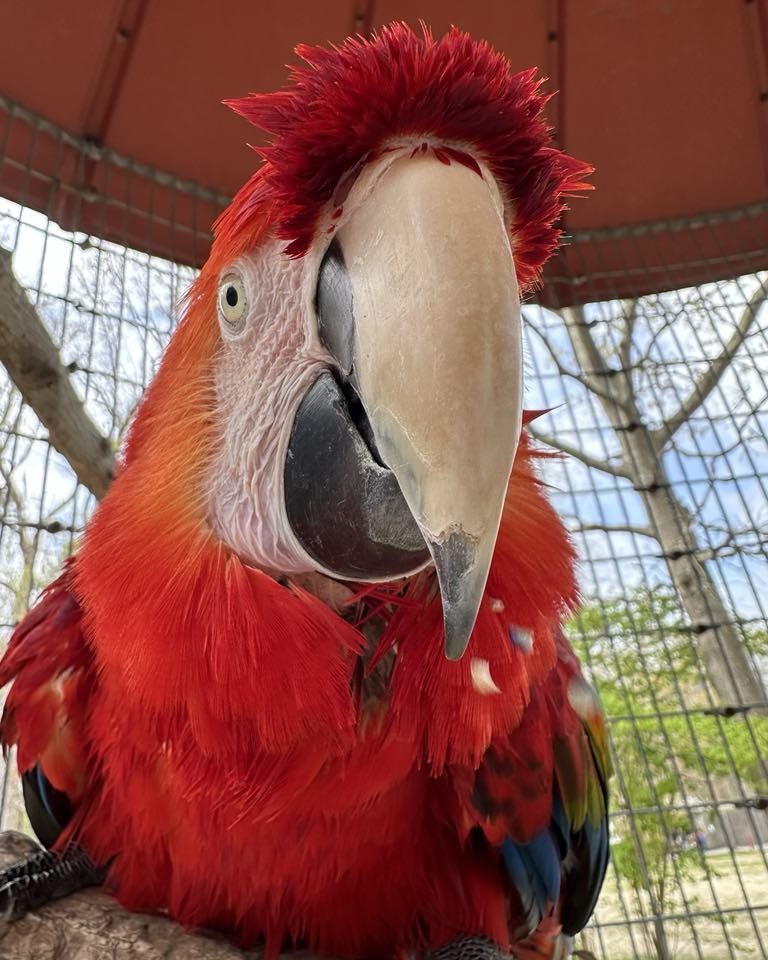
Each species possesses unique characteristics in terms of coloration, vocalization, and behavior. The African Grey Parrot, for instance, is renowned for its exceptional ability to mimic human speech. Scarlet Macaws, like Dino the macaw, are endemic to Central and South America, showcasing their striking red, yellow, and blue plumage. Understanding these diverse behaviors and adaptations is crucial in appreciating their ecological roles.
Parrots face numerous threats that jeopardize their survival. Habitat loss due to deforestation is a significant concern. Tropical forests, home to many parrot species, are being cleared for agriculture and urban expansion. This destruction not only removes their homes but also fragments their habitats, making it challenging for populations to thrive. Additionally, the illegal pet trade poses a severe risk, with many parrots captured and sold worldwide. Poaching has devastating effects on wild populations, often resulting in significant declines.
Conservation efforts are pivotal in combating these threats. Organizations globally are working to protect parrots through habitat preservation, anti-poaching initiatives, and breeding programs. The World Parrot Trust, for example, focuses on research, advocacy, and direct action projects to safeguard parrot species. Key strategies include establishing protected areas and creating corridors that connect fragmented habitats.
Zoos play an integral role in parrot conservation. Institutions like the ones where Zookeeper Janeen works provide sanctuary to many endangered species. Beyond exhibit purposes, these facilities are centers for rehabilitation and breeding. Breeding programs in zoos aim to maintain genetic diversity and boost declining wild populations. Furthermore, they serve as educational platforms to inform the public about conservation issues and inspire action.
Individuals also have a part to play in parrot conservation. One effective way is by supporting organizations that focus on habitat protection and sustainable practices. Reducing demand for illegal wildlife products and choosing ethical pet ownership can have a substantial impact. Additionally, promoting awareness in local communities about the importance of preserving these species contributes to their survival.
Engagement in citizen science projects that monitor parrot populations can provide valuable data for researchers. Such involvement elevates collective conservation efforts and fosters a deeper connection with nature.
Happy World Parrot Day represents not just a celebration of these beautiful creatures but a reminder of the urgent need to protect them. Through collective action, partnerships, and individual responsibility, we can help ensure the preservation of parrots for future generations. Each step taken towards their conservation is a step towards maintaining the rich biodiversity that these birds embody.
*****
Source Description
Happy World Parrot Day! 🎉
There are over 350 species of parrot! These birds are all zygodactyls, which means they have four toes, two of which point forward and two backward. This configuration allows for better ability to climb vertical surfaces, and it’s a trait they share with woodpeckers. Parrots are found in warm habitats around the world. Scarlet macaws, like Dino, are endemic to humid forests of Central and South America.
(📷: Zookeeper Janeen)
