
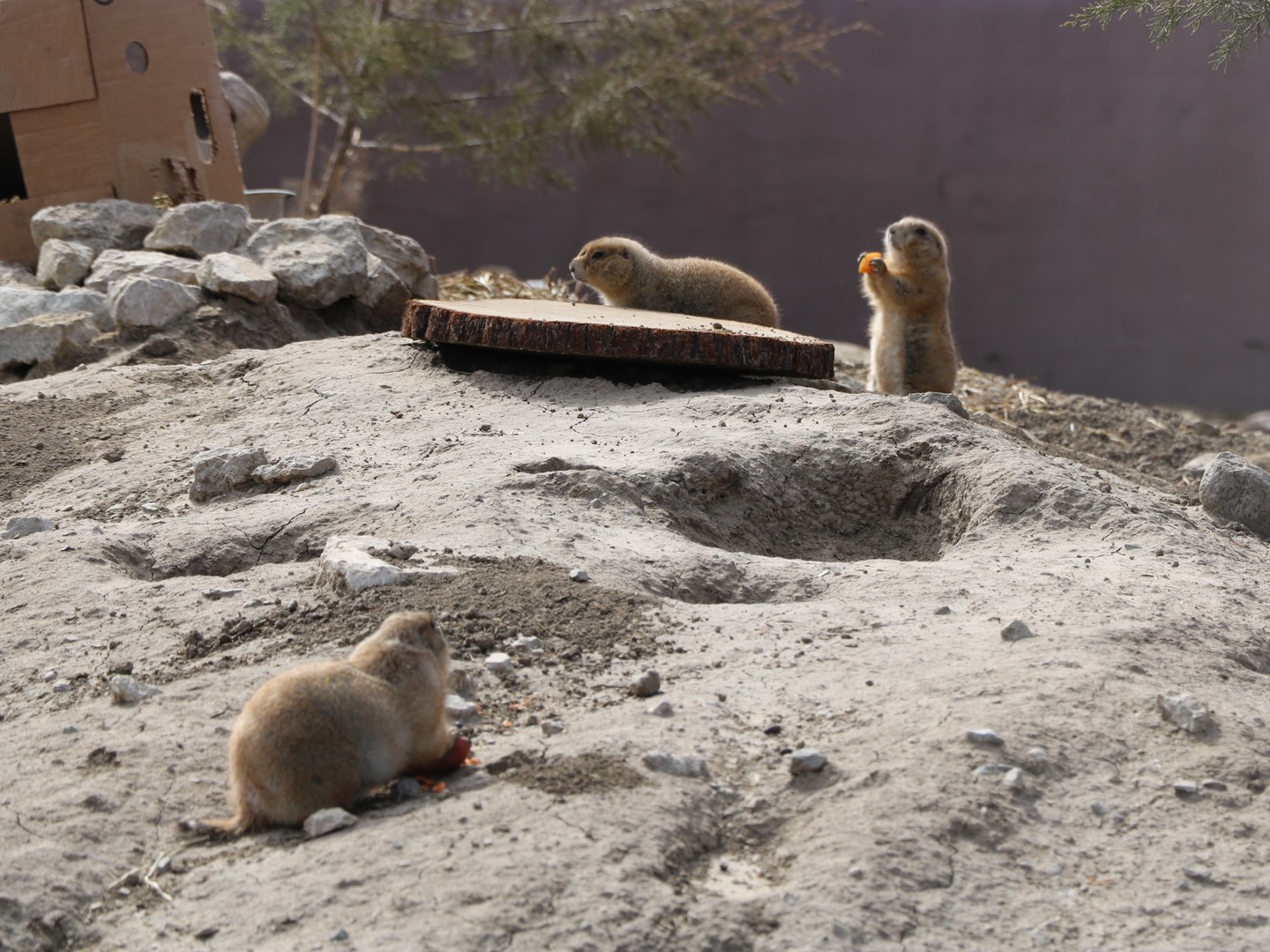
- Overview of Prairie Dogs and Their Habitat
- The Importance of Prairie Dogs in Ecosystems
- Conservation Efforts and Challenges
- Visitor Experience at Prairie Dog Town
- Educational Initiatives and Community Involvement
Prairie dogs are small, burrowing rodents native to North America, primarily found in grassland ecosystems. These animals play a vital role in their habitats, contributing to soil aeration and serving as prey for various predators. When you enter Prairie Dog Town in Nebraska, the sounds of the chattering prairie dogs fill the air, offering an engaging introduction to these fascinating creatures. Their lively social behaviors and intricate burrow systems can be observed from various vantage points, especially around our Guest Center at the Safari Park.
The habitats of prairie dogs are typically found in expansive grasslands, where they create extensive networks of burrows. These burrows can extend several feet underground and often feature separate chambers for sleeping, food storage, and waste disposal. The entrance locations are strategically dispersed to reduce the risk of predation. By exposing soil to air and water, prairie dogs promote plant growth, which directly benefits other herbivores. Their digging also provides homes for numerous other species, further enriching the ecosystem.
Understanding the ecological importance of prairie dogs can deepen our appreciation for their existence. These rodents are integral to the prairie community, often referred to as a keystone species. By maintaining grassland health, prairie dogs influence the distribution of plants and other animals. In their colonies, their foraging habits help maintain a unique balance that encourages biodiversity. Moreover, prairie dog towns serve as a hunting ground for predators like hawks, coyotes, and badgers, thereby supporting a wider food web.
Despite their ecological value, prairie dog populations face significant threats. Habitat loss due to agricultural development and urban expansion continues to reduce their natural environments. Additionally, species management and pest control measures often target prairie dogs erroneously, mistaking them as pests rather than recognizing their ecological contributions. These challenges necessitate strategic conservation efforts to safeguard prairie dog populations and their habitats.
As you visit Prairie Dog Town, several experiences can help visitors connect with these intriguing animals. The Guest Center provides an opportunity to observe prairie dogs up close while enjoying informative displays on their biology and behavior. Guides are available to answer questions and share insights about the ecology and conservation of prairie dogs. Interactive learning experiences enable visitors to engage actively rather than passively observing, fostering a deeper understanding of these social animals.
One of the most fascinating aspects of prairie dog behavior is their social structure, which organizes them into complex family units known as coteries. These coteries usually comprise several females, their offspring, and one or more males. Communication among prairie dogs includes a wide range of vocalizations and body language. Studies reveal that these calls can provide information about potential threats, dietary changes, and social dynamics. Observing this behavior in real-time offers visitors an eye-opening glimpse into animal communication.
In addition to the visitor experience, Prairie Dog Town emphasizes education and community involvement in conservation efforts. Educational programs highlight the importance of prairie dogs within their ecosystems. These initiatives often involve collaborations with local schools. Engaging younger generations not only raises awareness but also encourages future stewardship of prairie environments.
Community involvement extends further with volunteer opportunities during annual prairie dog count events, which aim to monitor population sizes and health. This data is crucial for making informed decisions regarding prairie dog management and conservation strategies. Such initiatives illustrate how human effort can contribute positively to wildlife conservation, foster connections between people and nature, and strengthen community bonds.
Conservation programs targeting prairie dogs strive for a balanced approach. Rather than viewing prairie dogs simply as potential pests, many programs promote understanding and coexistence based on ecology. Stakeholder discussions have broadened to include farmers, landowners, and wildlife advocates, focusing on collaborative strategies.
One approach being explored involves developing integrated land-use plans that incorporate prairie dog habitats while addressing agricultural concerns. Such practices can lead to healthier ecosystems capable of supporting diverse wildlife while accommodating human needs. Educational forums and workshops have been organized to facilitate dialogue and share best practices among stakeholders, demonstrating the power of collaboration.
Prairie Dog Town also encourages research initiatives aimed at understanding prairie dog behaviors and their ecological roles. Collaborations with universities and research organizations allow for studies that contribute to the growing body of knowledge. By involving academic resources in practical conservation efforts, this partnership enhances the understanding of prairie dog ecology and informs more effective management practices.
Furthermore, habitat restoration projects play a critical role in conservation. Restoration involves reintroducing native plants and removing invasive species to create suitable environments for prairie dogs. By fostering healthy grasslands, these efforts not only benefit prairie dogs but also enrich the entire ecosystem, positively affecting various species that rely on these habitats.
In summary, Prairie Dog Town in Nebraska serves as a valuable resource for understanding the ecological roles of prairie dogs and the challenges they face. Through education, community efforts, and research collaboration, significant strides can be made toward their conservation. By emphasizing the importance of prairie dogs within ecosystems, visitors and communities can become advocates for wildlife preservation and ecological stewardship.
As you consider your visit to Prairie Dog Town, remember that your participation contributes to these ongoing conservation efforts. Engaging with prairie dogs firsthand at the Safari Park enables a newfound appreciation for their role in our ecosystem. Experience the chittering calls and observe their fascinating social behaviors while fostering awareness and appreciation for wildlife conservation. Enjoy your visit and be part of the movement toward preserving these integral members of our grassland ecosystems.
*****
Source Description
Welcome to Prairie Dog Town, Nebraska!
You can hear our Prairie Dogs chitter as you enter our Guest Center at the Safari Park. Watch the Prairie Dogs forage and travel about their intricate burrow systems as you enjoy the views of the Safari Park!
Stop by and see our Prairie Dogs this week!
