
-
Overview of Egyptian Tortoise Hiding Behavior: Understanding adaptive mechanisms and the significance in their natural habitat.
-
Structure and Function: Anatomy and physiology that facilitate the hiding behavior of the Egyptian Tortoise.
-
Role in Ecosystem and Habitat: How hiding behavior contributes to the ecological balance and survival strategies.
-
Conservation Challenges: The impact of habitat loss, climate change, and human activities on the survival of Egyptian Tortoises.
-
Strategies for Conservation: Effective methods and practices for protecting and preserving Egyptian Tortoise populations.
The Egyptian Tortoise, Testudo kleinmanni, exhibits fascinating hiding behaviors that are vital for its survival in the arid landscapes of North Africa. Understanding these behaviors offers crucial insights into their ecological adaptations and survival strategies.
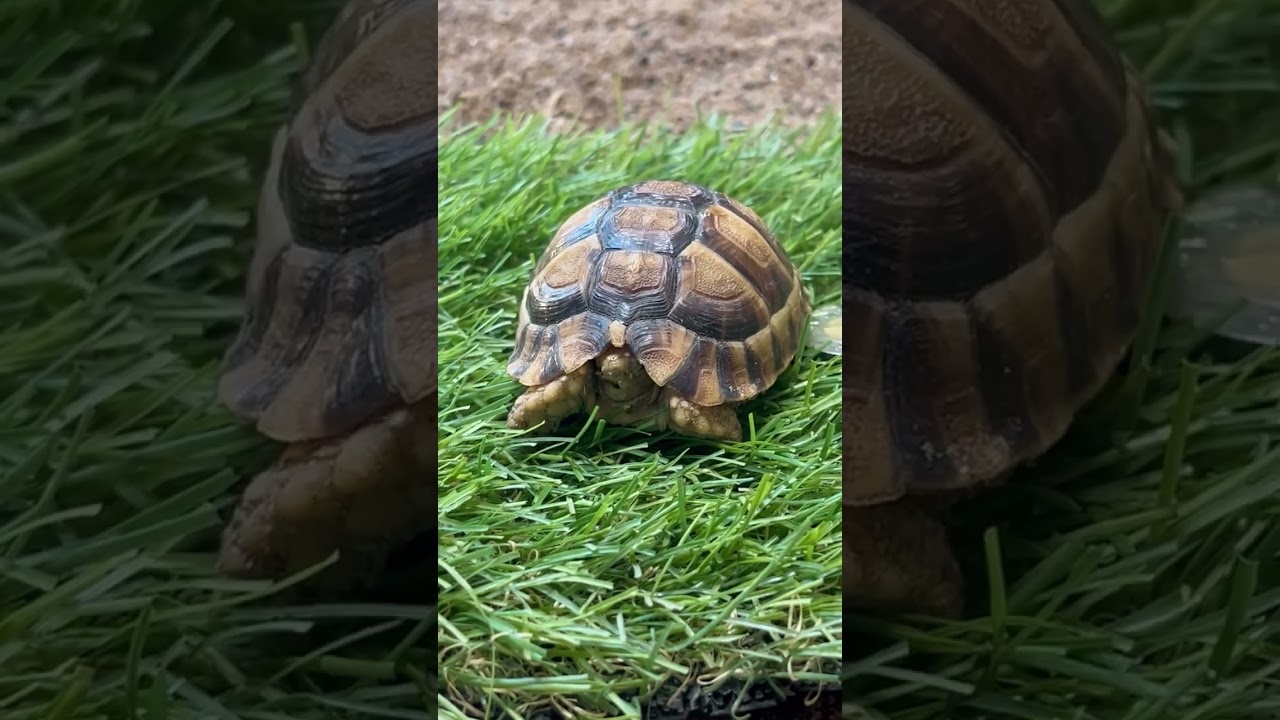
Egyptian Tortoises are adept at utilizing their surroundings to evade predators and extreme temperatures. Their hiding behavior is an evolutionary adaptation that ensures they remain inconspicuous in their native environments. This small tortoise, characterized by its light-colored, domed shell, blends seamlessly with sandy and rocky substrates. The shell provides both physical protection and a means of camouflage against the harsh sunlight and potential threats. By retreating into crevices or burrowing shallowly into the ground, these tortoises minimize energy expenditure and avoid dehydration during the hottest parts of the day. This strategy not only guards against predation but also supports their thermoregulation, crucial for maintaining their physiological functions in desert climates.
Anatomically, the Egyptian Tortoise is perfectly equipped for its lifestyle. Its shell, both robust and lightweight, serves as a shield while the tortoise assumes a motionless stance when hiding. The tortoise’s limbs are well-adapted for navigating sandy terrains and for efficient digging, making it easier to seek cover under loose soils or vegetation. The tortoise has an impressive ability to detect vibrations, helping it recognize approaching threats even when visually obscured. Their keen sense of smell and vision further supports their ability to locate optimal hiding spots and detect predators.
Hiding behavior plays a crucial role in the broader ecosystem. It aids in maintaining the ecological equilibrium by controlling tortoise population dynamics through the successful avoidance of predators. Their presence as herbivores contributes to seed dispersal, promoting plant biodiversity, and their activities aerate the soil, enhancing its nutrient profile. By staying concealed during extreme weather conditions, they reduce water loss and energy consumption, contributing to the conservation of resources within their habitat. This adaptive strategy showcases the important relationship between physical adaptations and environmental challenges.
However, the Egyptian Tortoise faces significant conservation challenges. Habitat loss, primarily due to agricultural expansion, urban development, and illegal pet trade, poses a severe threat to their populations. Climate change exacerbates these challenges, altering temperature and precipitation patterns, which can disrupt their natural behaviors and breeding patterns. Human encroachment and land degradation have further fragmented their habitats, making it difficult for them to find suitable hiding places and leading to increased vulnerability to predators and environmental stressors.
Addressing the conservation needs of the Egyptian Tortoise requires a multi-faceted approach. Protecting their natural habitats through the establishment and enforcement of protected areas is crucial. Implementing sustainable land-use practices can mitigate habitat destruction and fragmentation. Public education and awareness initiatives are essential to reduce the illegal pet trade and foster a sense of responsibility towards tortoise conservation. Conservationists can also employ captive breeding programs to boost populations and reintroduce these tortoises into secure wild environments. International collaboration and legislation can strengthen conservation efforts, providing the legal and financial support needed to safeguard this species.
In summary, the hiding behavior of the Egyptian Tortoise is a key survival strategy that underscores the complex interplay between species and their environments. Understanding and protecting this behavior is critical to the conservation of not only the Egyptian Tortoise but also the fragile ecosystems they inhabit. By committing to informed conservation strategies, we can help preserve this remarkable species and its natural habitat for future generations.
*****
Source Description
Do you ever wish you had a shell to hide in? Having a shell is an excellent defense mechanism for an Egyptian tortoise like ‘Sphinx’ here – not only does this hard carapace dissuade hungry predators, but its colouring is excellent camouflage in an arid environment! 🐢
#YourZooYYC #egyptiantortoise
