
- Understanding the ecological importance of penguins and their habitats
- Exploring challenges faced by penguins in modern ecosystems
- The role of zoo management in penguin conservation
- Wildlife conservation strategies for penguins
- Community involvement in conservation efforts
Penguins are charismatic birds that have captured the fascination of people worldwide. Known for their striking appearance and social behavior, penguins also play critical roles in their ecosystems. This article will explore key themes in Love on the Rocks: Part Three 🐧, shedding light on penguin ecology, challenges they face, zoos’ involvement in conservation, and community efforts to protect these birds.
Understanding the ecological importance of penguins and their habitats is essential in appreciating their role in the natural world. Penguins are primarily found in the Southern Hemisphere, with a significant presence in Antarctica. They are crucial predators within their ecosystems, primarily feeding on fish and krill. This diet aids in maintaining the balance of marine populations.
Their breeding colonies, often referred to as rookeries, provide vital nutrients to terrestrial ecosystems. The guano deposited by penguins enriches the soil, promoting plant growth. This nutrient transfer supports a variety of life, showing how interconnected marine and terrestrial systems can be.
Exploring challenges faced by penguins in modern ecosystems uncovers the reality behind their current conservation status. Climate change poses a significant threat. Altered sea temperatures impact the availability of prey, disrupting their feeding patterns. Melting ice further endangers species like the Emperor Penguin, which relies on sea ice for breeding.
Human activities also contribute to habitat degradation. Overfishing reduces their food supply, while pollution, including oil spills, threatens their health. Introduced predators on islands where penguins breed result in direct harm to populations. These challenges highlight the urgent need for effective conservation strategies.
The role of zoo management in penguin conservation cannot be understated. Zoos provide safe environments for research, public education, and breeding programs. By studying penguin behavior and biology in captivity, scientists gain insights that can inform wild population management.
Zoos also participate in the Species Survival Plan (SSP), which focuses on breeding endangered species like penguins to increase genetic diversity. Education programs in zoos raise public awareness regarding conservation issues, inspiring action and fostering a connection between people and wildlife.
Wildlife conservation strategies for penguins involve several approaches aimed at preserving their habitats and populations. Marine protected areas are critical for safeguarding breeding and feeding grounds. Effective enforcement of fishing regulations ensures that overfishing is minimized, maintaining the balance of marine ecosystems.
Addressing climate change’s impact requires global cooperation. Policy changes, reduction of carbon emissions, and sustainable fisheries are crucial for creating a healthier environment for penguins. Conservationists employ satellite tracking and other technologies to monitor penguin populations, using data-driven strategies for better management.
Community involvement in conservation efforts is vital for effective change. Local communities can play a significant role in protecting penguin habitats. Educating people about penguins’ ecological roles encourages eco-friendly practices and reduces human-wildlife conflict.
Community-driven initiatives, such as beach clean-ups and monitoring programs, empower locals to participate actively in conservation. By supporting policies that prioritize environmental sustainability, communities contribute to the resilience of penguin populations.
In summary, Love on the Rocks: Part Three 🐧 highlights the intricate relationship between penguins and their environments. By understanding their ecological importance, addressing challenges through thoughtful zoo management, implementing effective conservation strategies, and engaging communities, we can help secure a future for these remarkable birds. This multifaceted approach not only aids in penguin conservation but also enhances biodiversity and ecosystem health, proving beneficial for all life forms sharing our planet.
*****
Source Description
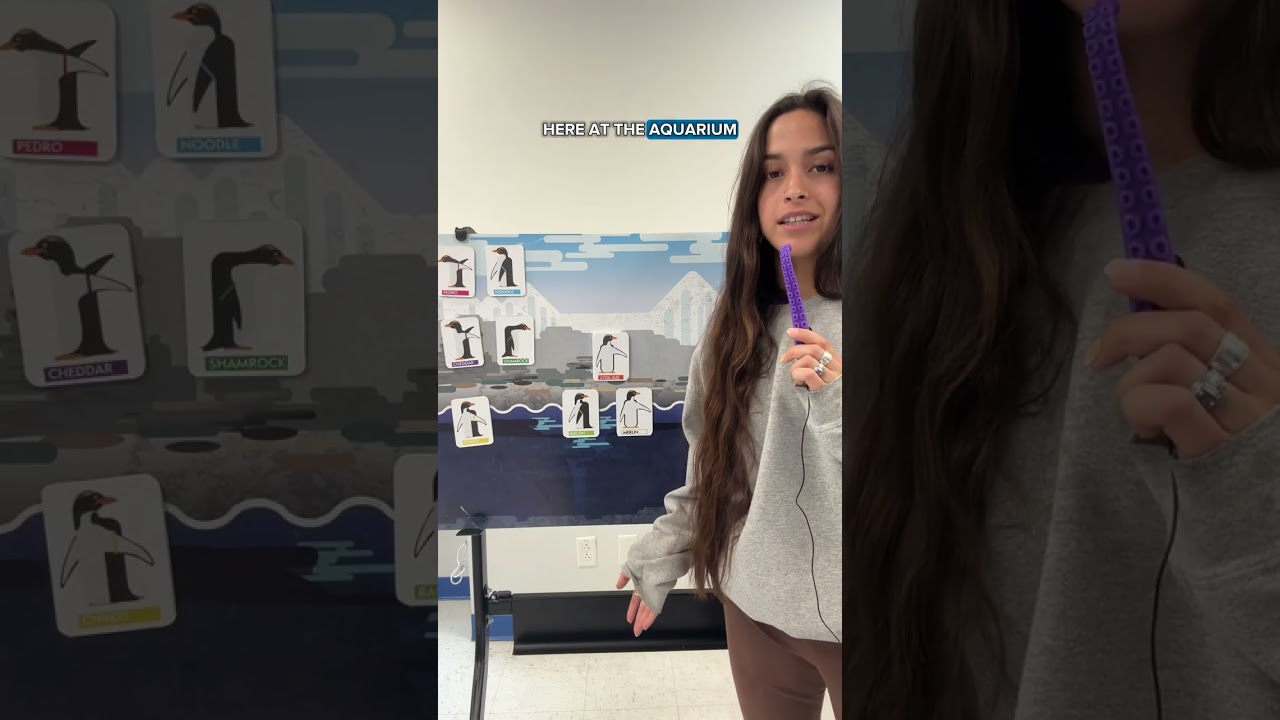
On this episode of Love on the Rocks, we’re taking a break from the fishy drama and getting into some family history. ✨So grab your rocks or popcorn and tune in as we talk about our Macaroni penguin pairs! 🐧
#tennesseeaquarium #chattanooga #penguinfamily #macaroni #penguins #loveontherocks #drama #familyhistory #aquarium #rocks
