
- The significance of animal behavior in zoological research and its role in ecosystem balance.
- Strategies and challenges in zoo management for enhancing animal welfare and conservation.
- Insights into wildlife conservation efforts and their impact on global biodiversity.
- The importance of educational initiatives in promoting environmental stewardship.
- The relationship between human activities and wildlife habitats, emphasizing sustainable practices.
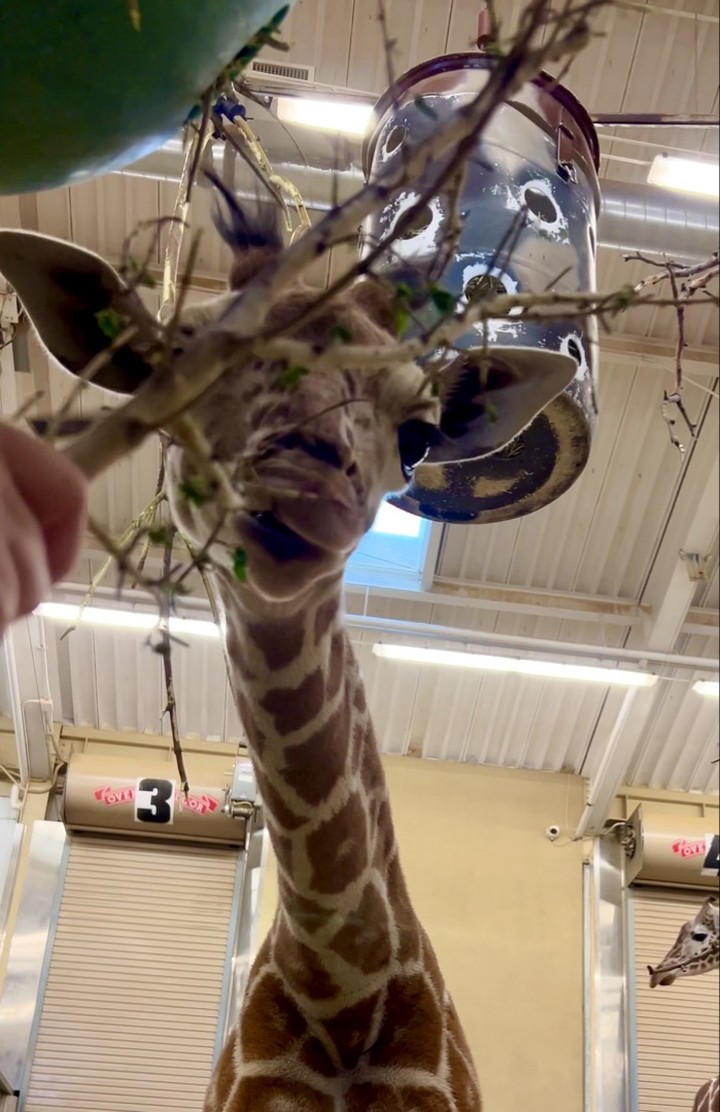
Animal behavior is a cornerstone of zoological research, offering insights into species interactions and ecological balance. Observations like “big (tiny) boy munches on a branch” might seem trivial, but they are vital for understanding feeding habits, habitat preferences, and social dynamics. These behaviors are essential to sustaining ecosystems. By studying such behaviors, researchers gain valuable data that inform conservation strategies and habitat management.
In zoos, understanding animal behavior is crucial for successful management and welfare. Zoo management employs a range of strategies to mimic natural habitats, enrich environments, and enhance the welfare of the animals. The keeping of animals like elephants or great apes involves complex care that incorporates behavioral studies to design enriching environments that stimulate natural activities. It’s important that these strategies increase not only physical but also psychological well-being, compelling the animals to engage in natural behaviors such as foraging or socializing.
Effective zoo management also faces challenges, including ethical considerations and the need to balance public engagement with educational outcomes. Zoos work diligently to provide educational experiences that promote understanding of wildlife and the need for conservation. Ensuring that visitors comprehend the significance of conservation initiatives is fundamental to fostering a culture of environmental stewardship. Interactive exhibits and engaging storytelling often illustrate these efforts.
Wildlife conservation holds paramount importance in combating biodiversity loss. Initiatives that protect endangered species and their habitats help preserve the planet’s biodiversity. Conservation programs often involve partnerships with local communities and international organizations to tackle threats such as habitat loss and climate change. These programs emphasize habitat restoration, anti-poaching measures, and sustainable land-use planning.
Educational initiatives play a significant role in wildlife conservation. Outreach programs seek to raise awareness about the significance of preserving biodiversity. By engaging communities and schools, conservation organizations amplify their impact, inspiring future generations to prioritize sustainable practices. Zoo-led educational programs often extend their reach through digital platforms, facilitating broader access to conservation knowledge.
Human activities have a profound impact on wildlife habitats. Urbanization, deforestation, and pollution disrupt natural environments, threatening species that depend on them. Implementing sustainable practices can mitigate these impacts. Conservation efforts advocate for reduced carbon footprints, sustainable agriculture, and responsible resource consumption to preserve ecosystems for future generations. Balancing development with environmental concerns ensures a harmonious coexistence with nature.
The subject of animals like the “big (tiny) boy munches on a branch” showcases the need for ongoing dialogue in zoology, zoo management, and conservation. By understanding and addressing the challenges faced, we can foster a world where both humans and wildlife thrive. This dialogue encourages research and innovation, empowering a collective effort to safeguard our planet’s precious biodiversity.
*****
Source Description
BIG DEAL: big (tiny) boy munches on a branch‼️
…that’s all, carry on ☺️
