
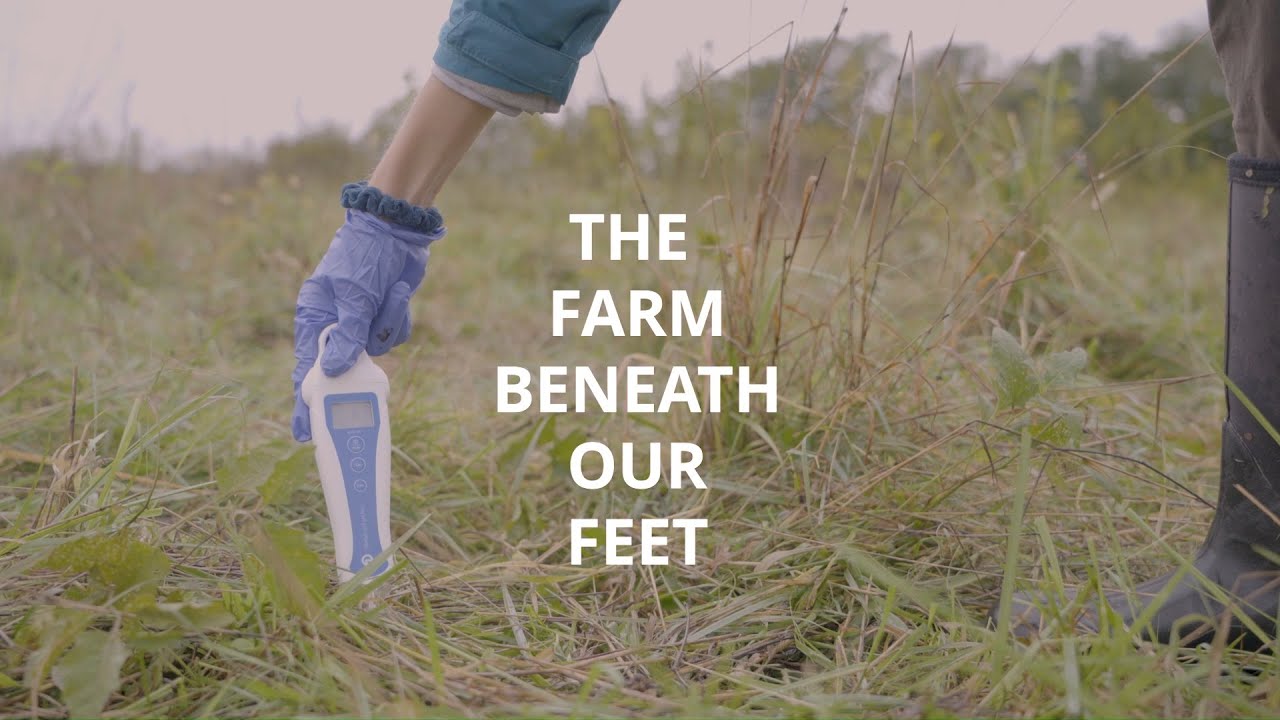
- The intricate ecosystem of soil and its diverse biological components
- The critical role of soil organisms in agriculture and ecology
- Conservation strategies for maintaining soil health and biodiversity
- The implications of soil management on sustainability and wildlife
- Innovative approaches in educating the public about soil ecosystems
The world beneath our feet teems with vibrant life, forming the foundation of ecosystems essential for agriculture, ecology, and sustainability. Soil, often dismissed as mere dirt, is a bustling habitat that supports diverse forms of life. This article explores the complexity of this subterranean universe, delving into the organisms that inhabit it and their pivotal roles in agriculture and conservation. By understanding the soil ecosystem, we can better appreciate its contribution to life on Earth and explore innovative ways to preserve it for future generations.
Exploring the Intricate Ecosystem of Soil
Soil is not an inert substance; it is a dynamic environment filled with organisms, each contributing to the vitality of this ecosystem. These organisms range from microorganisms like bacteria and fungi to more complex life forms such as earthworms and insects. Each plays a unique role in nutrient cycling, organic matter decomposition, and soil structure maintenance.
Bacteria are primary decomposers, breaking down organic material into simple compounds that plants can absorb. Fungi complement this process by decomposing more complex organic substrates, contributing to nutrient availability. Together, they form a symbiotic network that supports plant growth.
Earthworms, often considered the engineers of the soil, enhance aeration and drainage through their burrowing activities. Their digestion of organic material further enriches the soil, facilitating better plant growth. Meanwhile, insects contribute to both decomposition and pollination, linking above-ground biodiversity with below-ground processes.
Understanding the intricate relationships within the soil ecosystem enables us to appreciate its complexity and the delicate balance required to maintain its health. This knowledge forms the foundation for effective soil management strategies.
The Critical Role of Soil Organisms in Agriculture and Ecology
The organisms within the soil play crucial roles in agriculture by improving soil fertility, which directly impacts crop yield. Microbial activity enhances nutrient availability, while the physical activity of earthworms and similar organisms improves soil structure. This naturally reduces the need for synthetic fertilizers and enhances sustainable farming practices.
From an ecological perspective, soil organisms are pivotal in carbon sequestration, a process critical to mitigating climate change. By trapping carbon within the soil, these organisms help reduce atmospheric carbon dioxide levels, contributing to climate stability.
Moreover, healthy soil supports bio-diverse ecosystems that sustain various wildlife species. These interactions underscore the interdependence between soil health and overall biodiversity, highlighting the importance of soil conservation in maintaining ecological balance.
Conservation Strategies for Maintaining Soil Health and Biodiversity
Effective conservation strategies are vital for maintaining the health and biodiversity of soil ecosystems. Practices like crop rotation, cover cropping, and reduced tillage can significantly benefit soil health by enhancing organic matter content and minimizing erosion. These agricultural techniques support diverse soil organisms by providing continuous food sources and habitat stability.
Additionally, reducing chemical inputs, such as pesticides and synthetic fertilizers, can prevent the disruption of microbial communities, fostering a more robust ecological network within the soil. Encouraging integrated pest management and organic farming are effective ways to maintain a balanced soil ecosystem.
Implementing landscape-level conservation efforts, such as preserving wetlands and forested areas, can further enhance soil biodiversity. These habitats support unique soil communities and play critical roles in hydrological cycles, benefiting both agricultural lands and natural ecosystems.
The Implications of Soil Management on Sustainability and Wildlife
The ways we manage our soils have far-reaching implications for sustainability and wildlife conservation. Healthy soils reduce erosion and improve water infiltration, which is critical for maintaining watershed health and preventing natural disasters like flooding and landslides. By prioritizing soil health, we enhance our resilience to environmental changes and promote long-term sustainability.
Soil management practices also affect wildlife by influencing habitat quality and availability. Properly maintained soils underpin productive landscapes that support diverse flora and fauna. This connectivity between soil health and wildlife makes it essential to consider soil conservation as a key component of broader environmental stewardship endeavors.
Innovative Approaches in Educating the Public About Soil Ecosystems
Engaging the public about the importance of soil ecosystems is crucial for fostering a conservation mindset. Educational programs focusing on soil health should integrate hands-on learning experiences, such as soil sampling and microorganism identification activities. These approaches foster a tangible connection between people and the natural world beneath their feet.
Utilizing digital platforms and social media can also amplify educational outreach, making complex scientific information accessible to a wider audience. Through interactive content and storytelling, these tools can demystify the subject and inspire proactive conservation practices.
Public-awareness campaigns highlighting the importance of soil in everyday life—from the food we eat to the climate we live in—can dramatically shift perceptions and encourage sustainable behaviors. By prioritizing educational innovation, we can empower communities to act as stewards of the soil, vital to our planet’s health and future.
*****
Source Description
Not just dirt!
Beneath our boots is a living world teeming with bacteria, fungi, and microorganisms that quietly shape the health of our soils, our farms and our food. In this episode, Dr. Steve Kutos helps unpack how studying soil and cattle microbiomes reveals the powerful connections between what happens underground and the life we see aboveground.
This #FarmFriday, we’re sharing episode 2 of The Farm Beneath Our Feet miniseries; digging into the hidden biodiversity that makes working lands thrive.
Learn more about our Virginia Working Landscapes program at vaworkinglandscapes.org
