
- Otter behavior and social structures in wildlife and captive environments
- The role of video content in wildlife conservation awareness
- Understanding otter parental care and its implications
- Challenges and strategies in zoo management and animal welfare
- The significance of otters in aquatic ecosystems and their conservation status
Otter Behavior and Social Structures
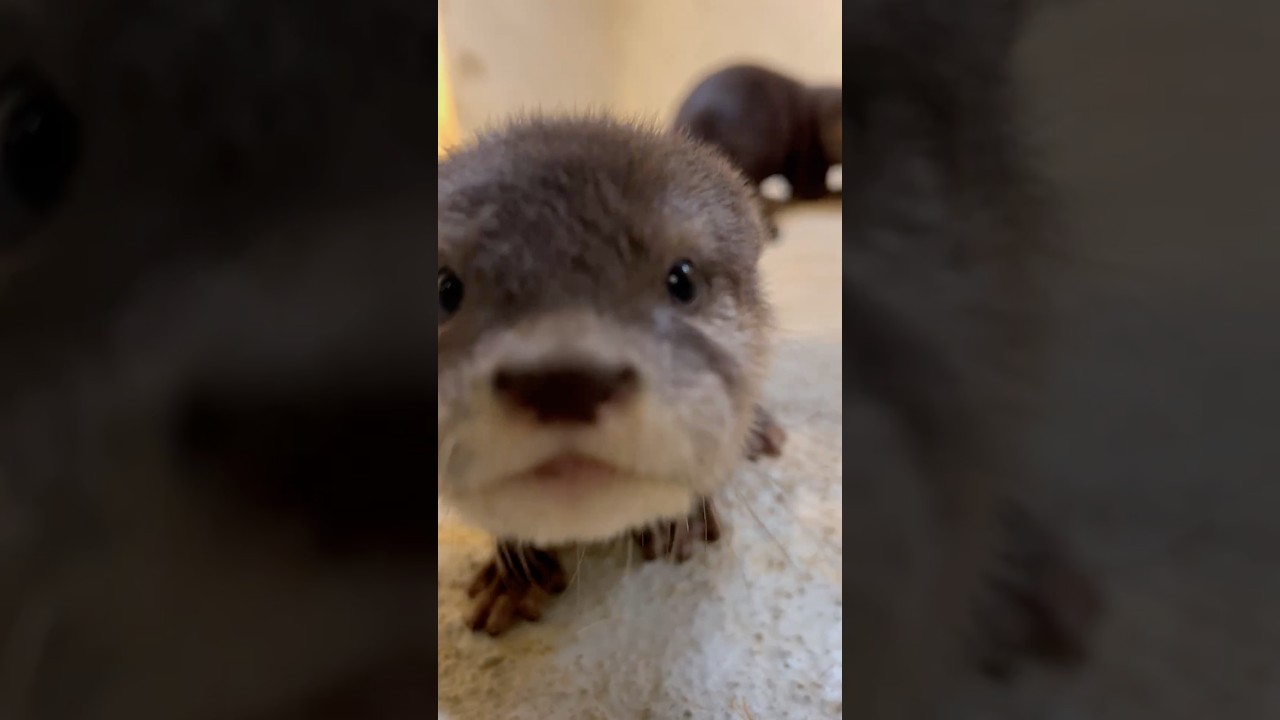
Otters are fascinating mammals renowned for their playful demeanor and complex social behaviors. Among the 13 otter species, each exhibits unique behavioral traits. The video of the baby otter attempting more camera time while being restrained by its parents captures a glimpse of these dynamics. Otters, especially in their natural habitats, establish tight-knit family units or groups called rafts. These social structures are essential for survival, providing protection against predators and support in foraging.
In the wild, otters maintain territories and communicate through vocalizations, scents, and body language. The social bonds within a group are robust, often characterized by grooming and cooperative hunting. Such behaviors are not merely playful antics but vital survival strategies. The protective actions of otter parents, as seen in the video, highlight the importance of family bonds and the role they play in the upbringing of young otters.
In captivity, understanding these social structures is crucial for proper animal welfare. Enclosures must mimic natural habitats, providing enrichment activities that cater to their natural behaviors. This ensures that otters remain physically and mentally stimulated, promoting overall health and well-being.
The Role of Video Content in Wildlife Conservation Awareness
Video content has become a powerful tool in raising awareness about wildlife conservation. The viral nature of engaging animal videos, like the one featuring the playful baby otter, offers opportunities to educate broad audiences about otter behavior and conservation needs. These videos can spark curiosity and empathy, motivating viewers to learn more about the species and the challenges they face in the wild.
Documentaries and short clips serve as visual narratives that highlight the impact of human activities on animal habitats. They also showcase the efforts required to protect endangered species, offering insights into conservation programs and initiatives. Zoos and wildlife organizations leverage video content to connect with the public, creating compelling stories that inspire conservation action.
Understanding Otter Parental Care and Its Implications
The attentive behavior of otter parents plays a critical role in the development of their young. Otter pups are born blind and helpless, relying entirely on parental care for survival. Mothers are primarily responsible for nursing and teaching pups essential skills such as swimming and hunting.
This parental investment is a fundamental aspect of otter life, significantly influencing population dynamics. High parental care can lead to higher survival rates of young otters, which is crucial for maintaining viable populations, especially in threatened species. Highlighting these parental behaviors through media not only engages audiences but also underscores the importance of protecting natural habitats that allow such behaviors to occur.
Challenges and Strategies in Zoo Management and Animal Welfare
Zoo management faces numerous challenges, particularly in recreating environments conducive to natural animal behavior. For otters, this means designing enclosures that allow for swimming, foraging, and social interactions. Proper husbandry practices must be in place to address the specific dietary and health needs of otters.
Educational programs play a vital role in connecting the public with wildlife conservation efforts. Zoos serve as living classrooms where visitors can learn about the biology and ecology of species like otters. Through interactive exhibits and knowledgeable staff, zoos can inspire conservation-minded actions.
Animal welfare is paramount, requiring continuous assessment of animal behavior and health. This includes providing enriching activities that simulate challenges found in the wild, thus promoting mental and physical health. Collaboration with conservation organizations ensures that strategies align with broader efforts to protect otters in their native habitats.
The Significance of Otters in Aquatic Ecosystems and Their Conservation Status
Otters play a significant role in maintaining the health of aquatic ecosystems. As apex predators, they help regulate fish populations and ensure balanced ecosystems. Their presence is often an indicator of clean and healthy waterways, as they require unpolluted environments to thrive.
Unfortunately, otters face numerous threats, including habitat destruction, pollution, and climate change. Several species are classified as endangered, necessitating urgent conservation action. Efforts include habitat restoration, pollution control, and strengthened legal protections.
Public support, driven by awareness and education—often sparked by engaging video content—can significantly contribute to these conservation efforts. By understanding the ecological role of otters, people are more likely to support initiatives that promote habitat conservation and sustainability.
Overall, the story of the baby otter, while charming, provides a window into the complex world of otter behavior and the challenges that threaten their existence. Understanding and appreciating these dynamics is crucial for ensuring the survival of these captivating creatures. Through effective communication, conservation efforts, and responsible zoo management, there is hope for otters to continue their essential role in ecosystems worldwide.
*****
Source Description
