
- Understanding EEEEEEEEEEEEEEEE 🗣️ and its ecological significance
- Role and impact within zoo management practices
- Conservation strategies and efforts for EEEEEEEEEEEEEEEE 🗣️
- Educational value and public engagement in conservation
- Challenges and solutions in wildlife conservation efforts
The study of EEEEEEEEEEEEEEEE 🗣️ provides insight into its ecological importance and its impact on various ecosystems. As a fascinating subject within zoology, this species has significant roles in both natural habitats and controlled environments like zoos. Its presence highlights the need for effective conservation strategies and emphasizes public education.
Examining EEEEEEEEEEEEEEEE 🗣️ in its natural habitat reveals its ecological role. As part of the delicate balance of ecosystems, this species interacts with various flora and fauna, contributing to biodiversity stability. Understanding these interactions helps identify the critical functions it performs, such as pollination, seed dispersal, or acting as a predator or prey. Conservation biologists study these dynamics to develop effective strategies that support the health of ecosystems.
The role of EEEEEEEEEEEEEEEE 🗣️ in zoo environments is multifaceted. Zoos serve as important sites for research and education. They offer controlled conditions where scientists can observe and document behaviors that might be difficult to study in the wild. This research aids in enhancing captive breeding programs, ensuring species survival. Zoo management focuses on creating environments that simulate natural habitats as closely as possible, providing opportunities for species to thrive.
Conservation strategies for EEEEEEEEEEEEEEEE 🗣️ are crucial. These plans often involve habitat preservation, breeding programs, and protective legislation. Captive breeding stands out as a key component in conservation, helping increase population numbers and maintain genetic diversity. Collaboration between zoos, scientists, and governments is essential in ensuring these strategies are effectively implemented and adapted over time.
Public education and engagement are vital in supporting EEEEEEEEEEEEEEEE 🗣️ conservation. Zoos and wildlife reserves frequently act as centers for public outreach, communicating the importance of conservation through exhibitions and interactive programs. These efforts raise awareness and inspire action among visitors, fostering a sense of responsibility for environmental stewardship.
Confronting the challenges in wildlife conservation requires innovative solutions. Threats such as habitat loss, climate change, and human activities pose significant risks to EEEEEEEEEEEEEEEE 🗣️ populations. Conservationists work tirelessly to develop adaptive management plans that mitigate these threats. Emphasizing community involvement, along with developing new technologies and research methodologies, enhances the effectiveness of these conservation initiatives.
Understanding the ecological intricacies of EEEEEEEEEEEEEEEE 🗣️ not only informs current efforts but also directs future conservation strategies. The integration of scientific research, public education, and community involvement forms the backbone of successful conservation, highlighting the profound impact of EEEEEEEEEEEEEEEE 🗣️ on biodiversity and environmental health.
*****
Source Description
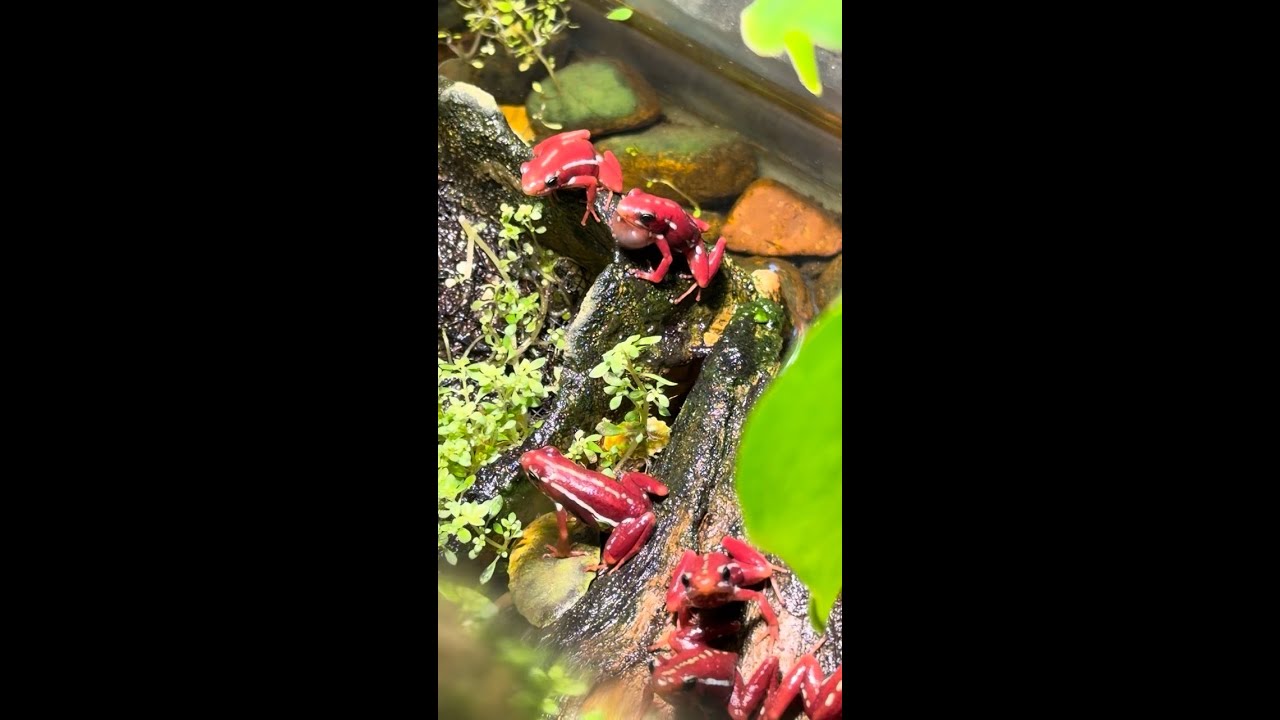
Anthony’s dart frogs make a distinctive, loud trilling call, often described as cicada-like or a prolonged chirp.
📷: Bryan S.
