
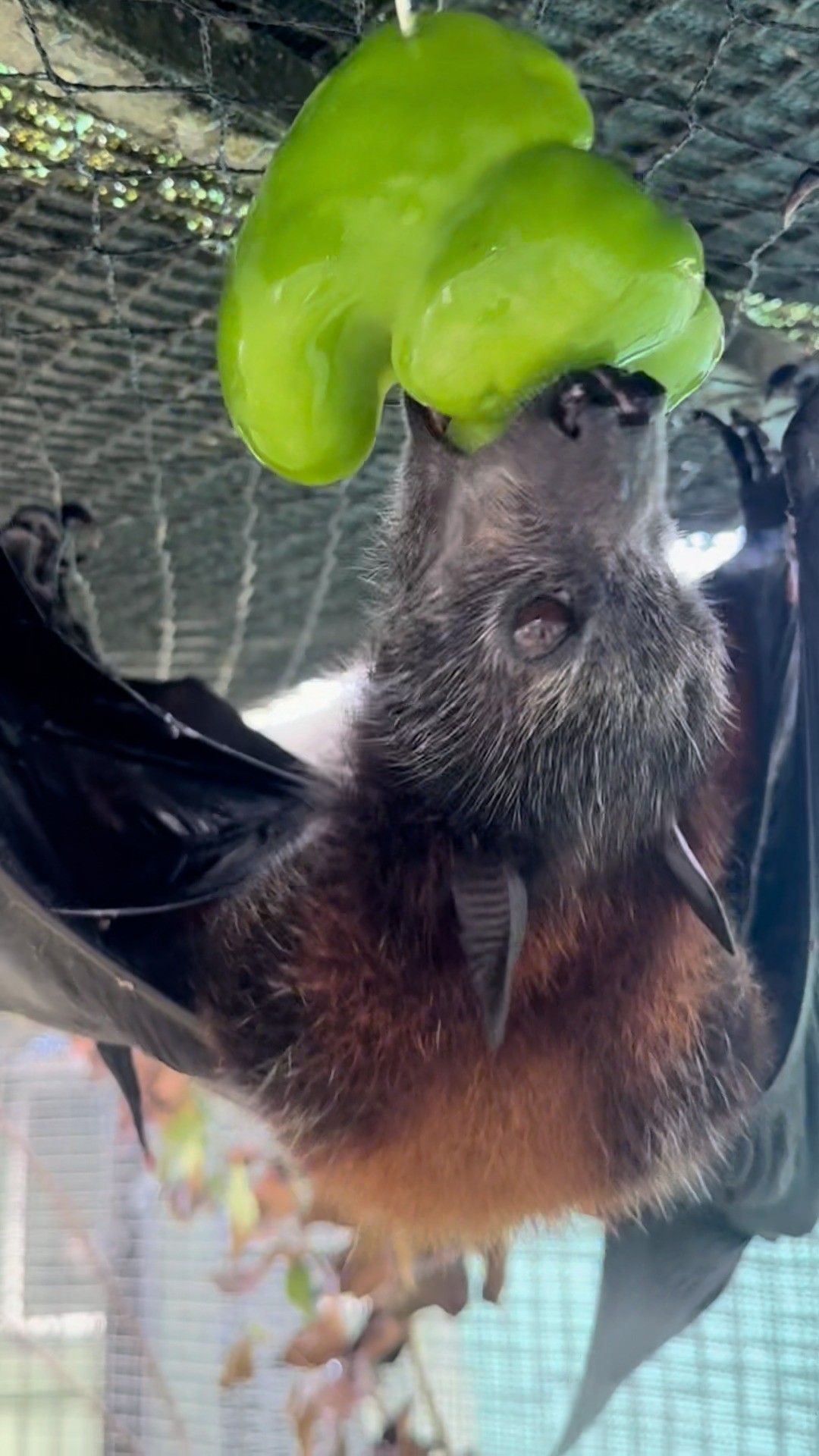
- The significance of National Green Pepper Day and its celebration.
- The ecological role and characteristics of the Malayan Flying Fox.
- The relationship between vegetation, like green peppers, and fruit bats.
- The care and management of zoo animals, with a focus on the Malayan Flying Fox.
- The broader implications of wildlife conservation efforts for species like bats.
National Green Pepper Day is an opportunity to celebrate the culinary and ecological benefits associated with green peppers. This day shines a light on the importance of vegetables in human diets and their role in ecosystems. Not only do peppers add flavor and nutrition to our meals, but they also serve as food sources for certain wildlife species, including fruit bats.
The Malayan Flying Fox, a notable member of the bat family, plays a critical role in its ecosystem. These bats have a wingspan that can reach over five feet, making them one of the largest bat species. They are primarily frugivorous, feeding on fruits such as figs and various tropical fruits, including green peppers. This diet aids in pollination and seed dispersal, supporting the growth of new plants and maintaining biodiversity in their habitats.
Understanding the ecological role of the Malayan Flying Fox extends beyond mere admiration. These bats are essential for plant reproduction. As they feed on fruits, they inadvertently transport seeds across vast distances. This not only supports the species they consume but also encourages the growth of healthy forests. Their presence in ecosystems is vital for maintaining the balance between flora and fauna.
The nutritional and ecological significance of fruits comes to light when considering the symbiotic relationship between plants and fruit bats. Green peppers, despite being often enjoyed as human food, can also appeal to various wildlife, including the Malayan Flying Fox. These peppers can be a valuable part of a bat’s diet. Furthermore, they help facilitate the natural processes of pollination and seed propagation, which are crucial for a thriving ecosystem.
In captivity, the care and management of the Malayan Flying Fox require specialized knowledge. Given their size and dietary needs, zoo environments must replicate their natural habitats as closely as possible. This often includes providing a variety of fruits to cater to their nutritional needs while also incorporating enriching activities to stimulate their natural behaviors. Feeding a Malayan Flying Fox involves not just appeasing their taste for fruit but also considering their instinctual behaviors.
Zoo management practices often prioritize both animal well-being and conservation education. By showcasing species like the Malayan Flying Fox, zoos can help raise awareness about the plight of bats, which face numerous threats. Habitat loss, climate change, and diseases, particularly white-nose syndrome, have severely impacted bat populations worldwide. By educating the public on these challenges, zoos can promote conservation efforts and encourage community involvement in protecting these essential species.
Conservation efforts for species like the Malayan Flying Fox are more crucial than ever. As human activities encroach on their habitats, there is an urgent need for focused conservation strategies. These initiatives can include habitat restoration programs, public education campaigns, and legislative measures aimed at protecting essential bat habitats. Habitats crucial for these species’ survival often include lowland forests, mangroves, and fruit tree plantations.
Green peppers serve as a focal point in these discussions, representing more than just a nutritious food for humans. They are also an essential resource for various wildlife, including the Malayan Flying Fox. Ensuring that such crops are cultivated sustainably can help support bat populations, leading to healthier ecosystems. This brings a sense of interconnectivity between agriculture and wildlife conservation.
The celebration of National Green Pepper Day by hanging out with a Malayan Flying Fox takes this narrative a step further. It highlights a unique opportunity to appreciate both human agricultural efforts and wildlife interactions. Engaging with these bats can raise awareness about their importance in ecosystems and how our choices can impact their survival.
In discussing the nuances of such interactions, it becomes clear that all ecosystems are interrelated. The health of one species often directly influences the health of others. For instance, a decline in fruit bat populations could lead to fewer trees, which in turn affects various species that depend on those trees for shelter. Public engagement through events that highlight these connections can foster a sense of responsibility toward wildlife conservation.
Through activities on National Green Pepper Day, participants have a chance to contribute to conservation conversations. Be it through direct interactions or educational demonstrations about the Malayan Flying Fox and their ecological roles, every interaction counts. Such celebrations foster community awareness regarding the importance of diverse species and the intricate dynamics of ecosystems.
Overall, the celebration of National Green Pepper Day offers a unique platform to appreciate not only a beloved vegetable but also the intricate relationships between agriculture and wildlife. The Malayan Flying Fox exemplifies the vital role that certain species play in maintaining ecological balance. Their interactions with plants like green peppers are not only essential for their survival but are also crucial for the health of entire ecosystems.
Continued education about species like the Malayan Flying Fox and their diets is vital for fostering a greater appreciation for wildlife. By celebrating days like National Green Pepper Day, we take steps toward recognizing the interconnectedness of our choices and their impacts on wildlife conservation. Furthermore, supporting agricultural practices that are sustainable ensures that we are not only cultivating food for humans but also for the wildlife that share our planet.
Knowledge and engagement are powerful tools in promoting conservation. National Green Pepper Day serves as a reminder of our roles in wildlife protection and the ripple effects our choices can have on ecosystems. As awareness grows, so too does the potential for meaningful conservation actions that benefit both agricultural practices and wildlife, ensuring the flourishing of species like the Malayan Flying Fox.
By participating in such celebrations, individuals help shape a future that honors biodiversity and promotes sustainable coexistence with nature. The relationship between humans, agriculture, and wildlife is complex yet essential. Through the lens of National Green Pepper Day, we see the importance of fostering a relationship rooted in respect, understanding, and stewardship.
*****
Source Description
Celebrate National Green Pepper Day by hanging out with Malayan Flying Fox, Bonsai! It sounds like she is enjoying her snack this afternoon. 🦇😋
