
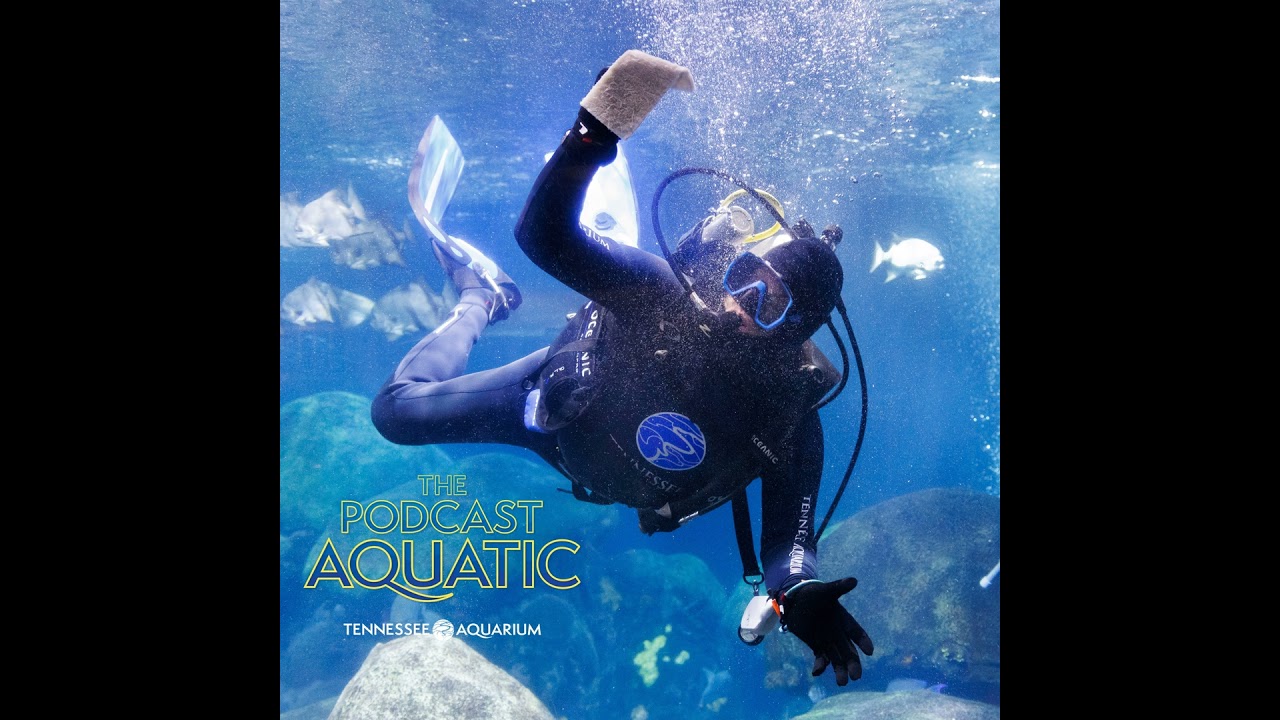
- Exploring SCUBA diving through a zoological lens and its impact on conservation efforts.
- The role of Steven, a professional diver, in promoting awareness of marine biodiversity.
- The intersection of zoo management and SCUBA diving in understanding aquatic ecosystems.
- Conservation strategies that bridge the gap between zoos and marine environments.
- The significance of wildlife management in protecting underwater habitats.
SCUBA diving offers a unique window into the vibrant underwater ecosystems that support countless species. Understanding this interaction through a zoological lens not only enriches our knowledge but also plays a crucial role in conservation. With SCUBA diving, we observe the intricate relationships between marine organisms and their environments, highlighting the urgent need for protective measures.
Steven, a seasoned diver with years of experience, uses his skills to promote awareness of the rich biodiversity found beneath the surface. His contributions extend beyond regular diving, as he actively engages with conservation programs. Through educational videos, Steven sheds light on marine life, emphasizing the importance of protecting these fragile ecosystems. His passion serves as a catalyst, inspiring others to appreciate and conserve marine biodiversity.
Zoo management and SCUBA diving, though seemingly distinct, share a common goal: understanding and preserving ecosystems. By incorporating practices from both fields, a comprehensive approach to studying aquatic ecosystems emerges. Zoos offer a controlled environment to study species and their behaviors, providing insights that can be applied to wild habitats. Similarly, SCUBA diving enables direct observation of species in their natural environments. This combination enhances our understanding of marine ecosystems and informs effective conservation strategies.
Bridging the gap between zoos and marine environments requires strategic conservation efforts. This involves creating educational programs that highlight the connection between terrestrial and aquatic species. By fostering partnerships between marine biologists and zookeepers, we can develop innovative conservation strategies. These collaborations can lead to better management of marine habitats and increase awareness of the threats facing these ecosystems.
Wildlife management is pivotal in protecting underwater habitats. Implementing policies that limit pollution, overfishing, and habitat destruction is essential. Engaging local communities plays a crucial role in this endeavor. Community participation in conservation efforts leads to sustainable practices and increased awareness of environmental challenges. Additionally, utilizing technology and scientific research maximizes the effectiveness of conservation strategies, ensuring the protection of marine biodiversity for future generations.
SCUBA diving serves as more than recreation; it’s a crucial tool for scientific exploration and conservation. By merging diving with zoology and zoo management, we gain a deeper understanding of marine ecosystems and the strategies needed to preserve them.
*****
Source Description
Considering it’s one of the building blocks of life, it’s ironic how dangerous water can be to the ill-equipped. And when it comes to deep water, humans are about as under-prepared for survival as it’s possible to be.
Fortunately, despite our pitiful lung capacity and lack of fins, we’re blessed with a heap of curiosity and ingenuity, which has given rise over the millennia to a variety of methods to explore beneath the surface. Absent a submarine in your backyard, the most accessible means of spending time underwater is the self-contained underwater breathing apparatus (aka SCUBA).
Here at the Aquarium, we dive all the time, whether it’s to clean or enact repairs to our massive exhibits, to feed the animals or just to engage with the public. On this episode of the podcast, two of our senior dive specialist join one of our newest certified staff divers to explain what it’s like experiencing the Aquarium from the other side of the acrylic and why it’s worth all the work to earn your fins.
Episode cast
Casey Phillips, senior communications specialist, host-captain and certified landlubber Mark Craven, manager of dive operations and dive safety officer Chris Tucker, assistant dive safety officer Doug Strickland, communications content creator II
Want to dive with us?
Learn more about how to become a volunteer diver and apply at: https://tnaqua.org/volunteer/scuba-diver/
Resources
Watch our aquarist dive to feed Ripsaw Catfish: https://youtube.com/shorts/jJFw3gAnIAU How we safely dive alongside sharks: https://youtube.com/shorts/dkVRsM23-FM (https://ebird.org/home) Diving to help cull Lionfish in Florida during the Lionfish Invitational: https://youtu.be/_FW_M_ebFZM Putting on a show cleaning alongside Paddlefish and Crappie: https://youtu.be/TWJ2-ly5e7M
