
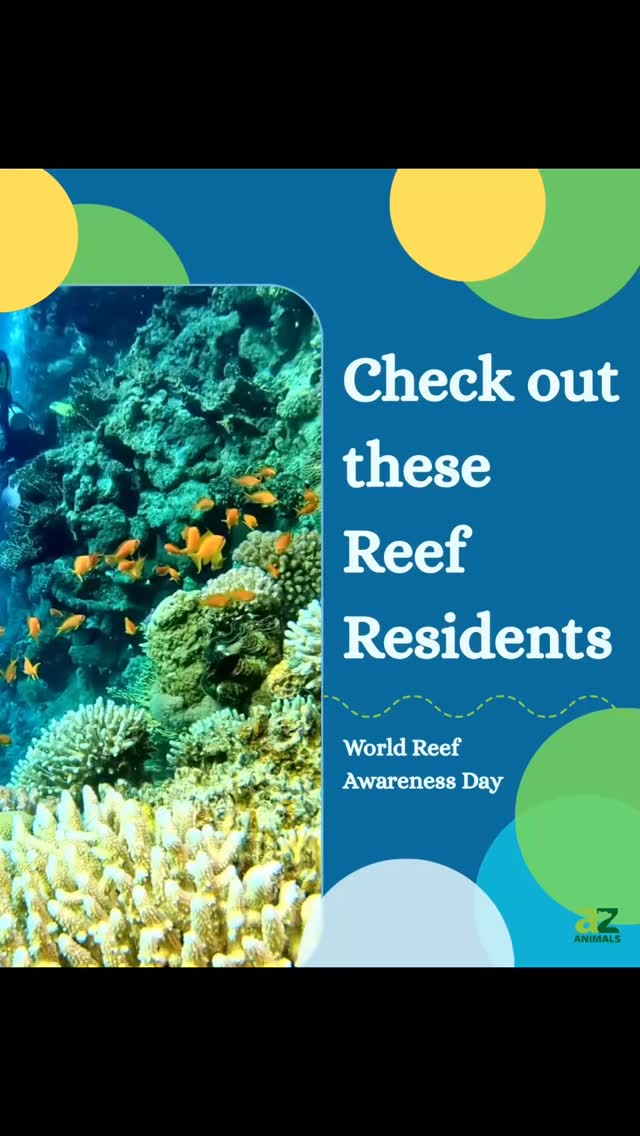
- Coral reefs as complex ecosystems with diverse inhabitants
- Interconnected life within coral reef systems
- The ecological significance of coral reefs
- Threats to coral reefs and their inhabitants
- Conservation efforts and the importance of protecting coral reefs
Coral reefs are often described as the rainforests of the sea. They provide habitat for a myriad of marine creatures, showcasing life that extends far beyond just fish swimming alongside colorful coral. These underwater cities serve as bustling hubs of biodiversity, teeming with life forms that play pivotal roles in the oceanic ecosystem.
Coral reefs house not only the visibly stunning coral structures and vibrant fish but also an expansive community of other organisms. Sea turtles glide gracefully through the water, while small invertebrates like sea urchins and starfish occupy the spaces between the coral. Each coral polyps, fundamental to the framework of the reef, collaborates with symbiotic algae known as zooxanthellae. These algae perform photosynthesis, providing essential nutrients to both coral and themselves. This relationship showcases the interdependence of life within coral reefs, highlighting their complexity.
Life in these ecosystems is interconnected. Predators, such as larger fish and sharks, help maintain the balance by controlling the populations of smaller fish. Meanwhile, herbivores like parrotfish graze on algae, preventing its overgrowth on corals. This interaction showcases the delicate balance that exists within coral reef systems. Different species of fish and invertebrates, like clownfish and anemones, engage in mutualistic relationships, where both organisms benefit from each other. Such interactions illustrate the significance of every organism within the coral ecosystem.
Coral reefs are essential for various ecological reasons. They provide essential services that benefit humans and marine life alike. One significant role is their function as natural barriers against waves and storms. This protection mitigates coastal erosion, safeguarding human settlements and other coastal ecosystems. They also play a critical role in carbon sequestering, helping to combat climate change by absorbing CO2 from the atmosphere. Additionally, coral reefs support fisheries, providing sustenance for millions of people globally. The loss of reefs could lead to severe declines in fish populations and, consequently, food security for coastal communities.
Despite their ecological importance, coral reefs face myriad threats. Climate change is perhaps the most pressing challenge. Rising ocean temperatures cause coral bleaching, compromising their metabolic function and leading to mass mortality. Pollution, including plastics and nutrient runoff, further exacerbates stress on coral reefs, allowing harmful algal blooms to thrive. Overfishing and destructive fishing practices also significantly affect the delicate balance of coral ecosystems, diminishing fish populations and disrupting the links in the food chain. These threats jeopardize not only coral themselves but the entire network of life that relies on them for survival.
Conservation efforts are vital for the sustainability of coral reefs. Numerous organizations globally work to protect these ecosystems, emphasizing community involvement and education. Establishing marine protected areas (MPAs) allows for the conservation of vital habitats while promoting sustainable fishing practices. Rehabilitation efforts focus on restoring damaged reefs, including coral transplantation and nursery programs. Research initiatives contribute essential data that guide management strategies to protect these ecosystems effectively.
The importance of protecting coral reefs cannot be overstated. Advocacy and awareness are key to inspiring conservation efforts. By understanding the intricate connections within coral reefs and the implications of their decline, individuals can take actions that contribute to the preservation of these vital ecosystems. Personal choices, like reducing plastic usage and supporting sustainable seafood, help in informing broader conservation efforts.
Coral reefs are truly remarkable ecosystems that provide home to an assortment of marine life. Their existence is a testament to life’s resilience, but they demand our respect and protection. The future of coral reefs and the intricate life they support, including fish, invertebrates, and various marine species, depends on our collective actions.
Encouraging awareness about the significance of these underwater cities through education and effective outreach is essential to motivate change. The knowledge and respect fostered within communities can drive efforts toward sustainable practices and encourage the protection of coral reefs.
Together, we can play an essential role in ensuring the survival of coral reefs. It is necessary to push for policies that address climate change and limit pollution, enabling reefs to recover and thrive. By prioritizing and advocating for coral reef conservation, we not only protect the biodiversity within but also safeguard our oceans and our planet for future generations. Coral reefs don’t just hold fish and coral; they house an intricate, vibrant community that is vital for the health of our oceans and, ultimately, our world.
*****
Source Description
Coral reefs dont just hold fish and coral. Here there is a full on underwater city, home to some of the oceans coolest and most wonderful residents.
Today for let’s remember that these ecosystems are powerful but fragile and worth protecting.
🐾Whether you are into predators, pollinators, or any animal species – we probably have an article on it.
🐾Tap the link in our bio to explore the most interesting species on this planet.
