
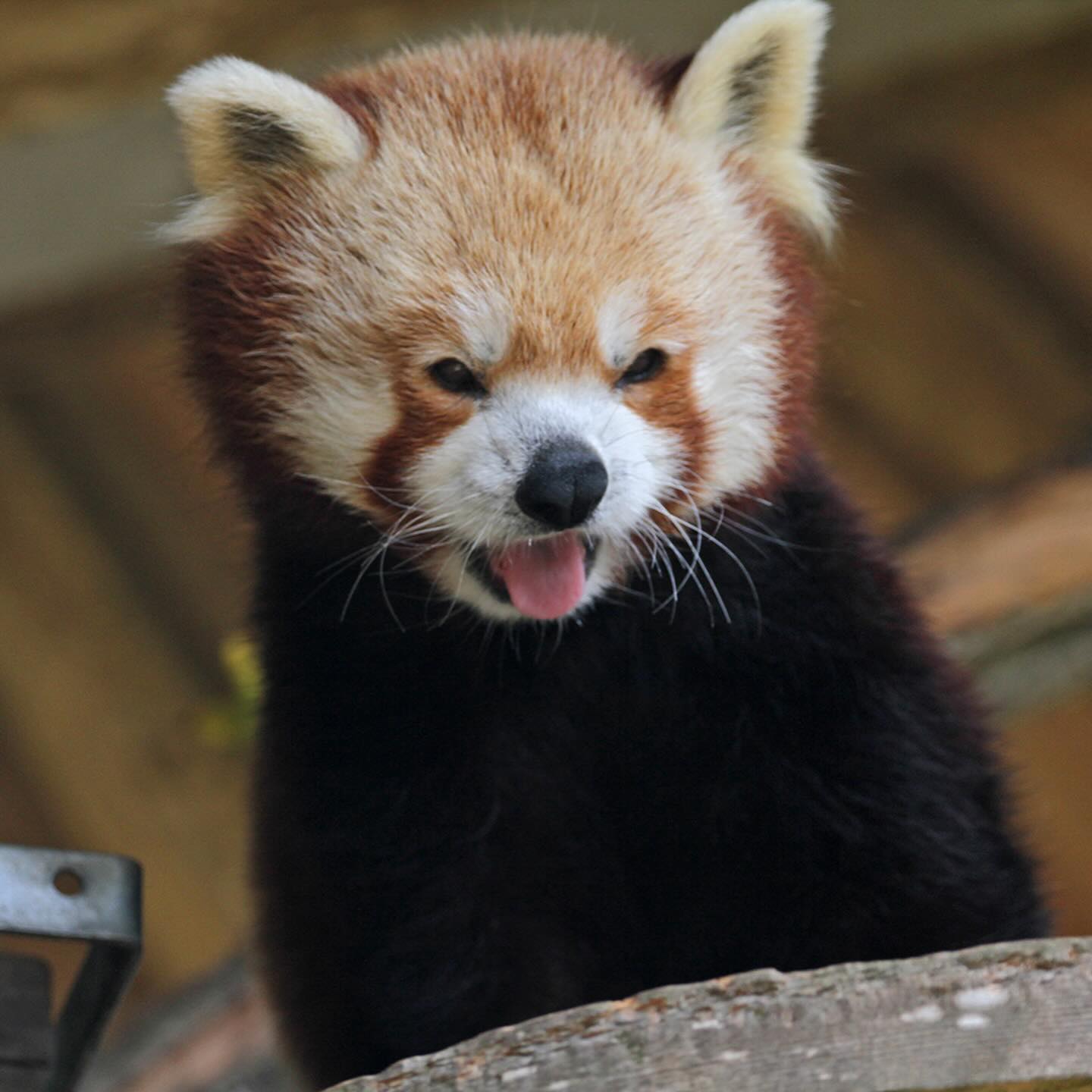
- Explore the anatomy and behavior specific to red pandas, with a focus on Tenzing’s yawning habits.
- Understand the environmental and biological factors influencing red panda yawning behavior.
- Discuss the role of animal behavior studies in zoo management and wildlife conservation efforts.
- Highlight the importance of public engagement and education in conservation through zoo exhibitions.
- Analyze the impact of conservation programs on red panda populations and the broader ecosystem.
Red pandas, recognizable by their reddish-brown fur and bushy tails, are fascinating creatures with unique behaviors. Focusing on the red panda Tenzing, this article examines his yawning—an endearing action with scientific significance.
Red pandas, belonging to the Ailuridae family, are small and arboreal mammals native to the Himalayas and southwestern China. Their yawning can be more than just a response to tiredness; it is a window into their physiological state and environment.
Red panda anatomy contributes to their distinctive yawning habits. Their small stature necessitates greater oxygen uptake per breath relative to their size. During yawning, they stretch the jaw and widen their mouth, promoting airflow and serving their high metabolic needs.
Yawning also plays a role in thermoregulation. In red pandas, heat dissipation is critical. When Tenzing yawns, the rapid inhalation of cooler air aids in regulating brain temperature. Understanding these aspects can be crucial for creating appropriate habitats within zoos to mimic their natural surroundings.
Behavioral studies of Tenzing show yawning occurs more during temperature fluctuations and social interactions. This supports the hypothesis that yawning helps manage stress levels and social signaling. These observations assist zoo managers in crafting behavioral enrichment programs that keep animals mentally and physically stimulated.
Red panda conservation is a pressing task. Habitat destruction and poaching are significant threats. Zoos play a pivotal role in conservation through captive breeding and re-release programs. Tenzing’s yawning behaviors offer insights into the health and stress levels of captive animals, essential information for successful conservation strategies. To ensure these programs are effective, behavioral cues like yawning inform caretakers about stress levels, feeding needs, and social dynamics.
Educating the public about red pandas like Tenzing is key. Zoos serve as conduits for conservation awareness. Exhibits featuring red pandas provide valuable learning opportunities, fostering appreciation and driving public support for conservation initiatives.
Conservation efforts impact not only individual species but the broader ecosystem. Red panda preservation supports biodiversity and ecological health in their native regions. By focusing on individual behaviors, such as yawning, conservationists can make informed decisions about habitat protection and restoration.
In concluding thoughts, the study of red pandas, exemplified by Tenzing’s yawning, weaves together behavior, conservation, and education. Understanding such behaviors enhances zoo management strategies and conservation outcomes, ultimately benefiting both humans and wildlife. Through comprehensive care and public engagement, Tenzing’s yawns become more than just an adorable display—they become a beacon for conservation science.
*****
Source Description
The many stages of red panda Tenzing yawning.🥱
