
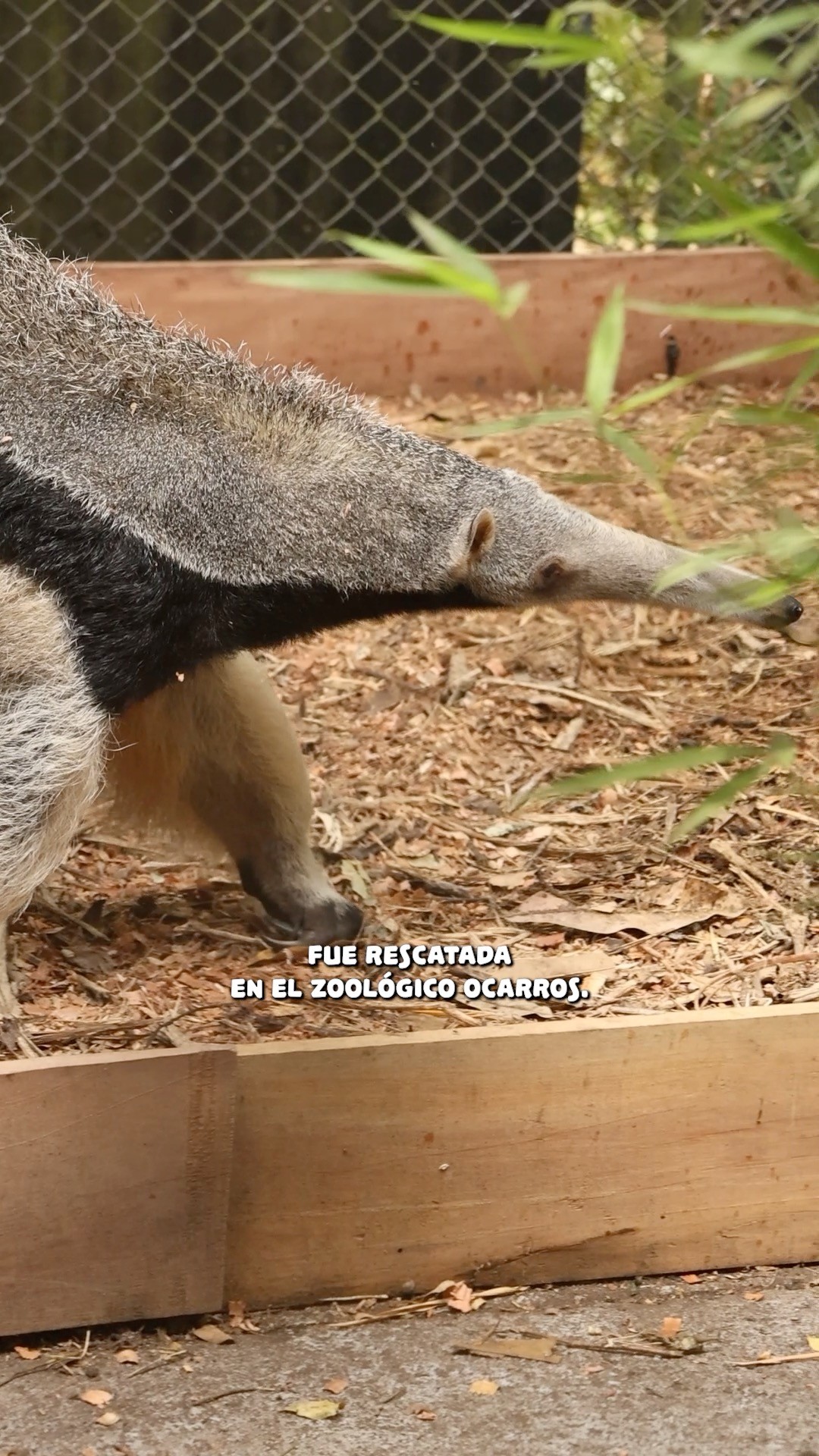
- The story of an anteater victim to illegal wildlife trafficking and its journey to recovery at a zoo.
- The role of zoos in wildlife conservation and animal welfare, focusing on rehabilitation efforts.
- The ecological importance of anteaters as guardians of the forest and symbols of resilience.
- The challenges and triumphs of combating illegal wildlife trade and its impact on species conservation.
- The ongoing mission to preserve biodiversity and ensure the well-being of captive and wild animals.
The internet has been abuzz with a story that captivates animal lovers and conservationists alike. Behind the curious eyes of an anteater, rescued from the grim fate of illegal wildlife trafficking, lies a narrative rich in passion for life. This remarkable creature found refuge in a zoo, where it now plays a crucial role in our understanding of ecosystem dynamics and the fight against wildlife exploitation.
The anteater’s tale is not just one of survival, but a testament to the dedication of those working tirelessly in wildlife conservation. The zoo, its newfound home, serves not only as a sanctuary but also as a beacon of educational and conservation efforts. Through daily interactions, caretakers nurture the anteater back to health, ensuring its species can continue to fulfill its vital ecological mission.
Anteaters are often overlooked when considering key ecological contributors. Yet, they are indispensable as forest guardians. By preying on termites and ants, they maintain balance within their habitats. This ecological service proves essential in preserving forest ecosystems and protecting plant diversity.
Illegal wildlife trade poses a severe threat to such species, disrupting ecosystems and driving many animals toward extinction. Zoos have become frontline battlegrounds in countering these threats, providing a haven where animals can heal and thrive while raising awareness about the perils they face.
At this zoo, each day begins with meticulous care routines designed to enhance the anteater’s physical and emotional well-being. Nutritionists provide a carefully balanced diet, replicating what these animals would naturally consume in the wild. Enrichment activities, integral to their rehabilitation, encourage natural behaviors, fostering mental stimulation and overall health.
These efforts are not isolated acts of kindness. They represent a larger movement within zoo management focused on animal welfare, habitat preservation, and conservation education. Through comprehensive programs, zoos aim to inform visitors about the importance of biodiversity and the impact of human actions on wildlife.
The anteater’s presence also symbolizes resilience. Overcoming adversity, it stands as a living testament to the power of collective efforts in conservation. Zoos collaborate with international organizations to combat illegal wildlife trade and support legislation aimed at stricter enforcement against trafficking activities.
Community engagement and education are pivotal to this mission. By spotlighting the anteater’s journey, zoos can galvanize public support for policies that protect wildlife habitats and crack down on illegal trade networks. This approach serves to inspire future conservation champions and instill a deeper appreciation for the natural world.
Understanding the ecological role of animals like the anteater helps us grasp the broader implications of biodiversity loss. Healthy ecosystems rely on a delicate balance, and each species plays a part in sustaining this equilibrium. Anteaters, acting as pest controllers, prevent overpopulation of insects that could otherwise harm vegetation and destabilize environmental health.
Despite the myriad challenges faced, from habitat destruction to climate change, the narrative surrounding the anteater is filled with hope. Conservationists, educators, and citizens unite in the common goal of ensuring a vibrant future for wildlife. Through collaborative efforts, there remains optimism that such species will continue to thrive, serving as vital links in the chain of life.
Switching the focus to a broader perspective, the issue of illegal wildlife trade is a multifaceted one, comprising legal, ethical, and ecological dimensions. Addressing this crisis requires an integrated approach that includes policy reform, enforcement of existing laws, and community-based initiatives.
The anteater’s story serves as a powerful reminder of the interconnectedness of all living beings and the impact humans have on the natural world. By supporting conservation initiatives, individuals contribute to a global effort to safeguard precious ecosystems and the creatures that inhabit them.
In transforming tales like that of the anteater, zoos play an essential role in bridging the gap between animals and people. They provide a platform for species to tell their stories and inspire others to act. This narrative continues, fueled by unwavering passion and a commitment to a future brimming with life.
Thus, the curious eyes of the anteater are not just windows to its soul, but to a story of resilience and hope—a story encouraging us to protect the guardians of our forests and cherish the tapestry of life they help preserve.
*****
Source Description
¡Detrás de los ojos curiosos del oso hormiguero hay una historia llena de pasión por la vida!💚👀✨
Victima del tráfico ilegal de fauna silvestre, encontró en el Zoo un hogar lleno de amor, cuidados y conservación. Aquí trabajamos día a día en su bienestar animal, para que su especie siga cumpliendo su gran misión: ser guardianes de los bosques y símbolo de resiliencia.
¡Su bienestar es la semilla de un futuro lleno de vida!
.
.
.
