
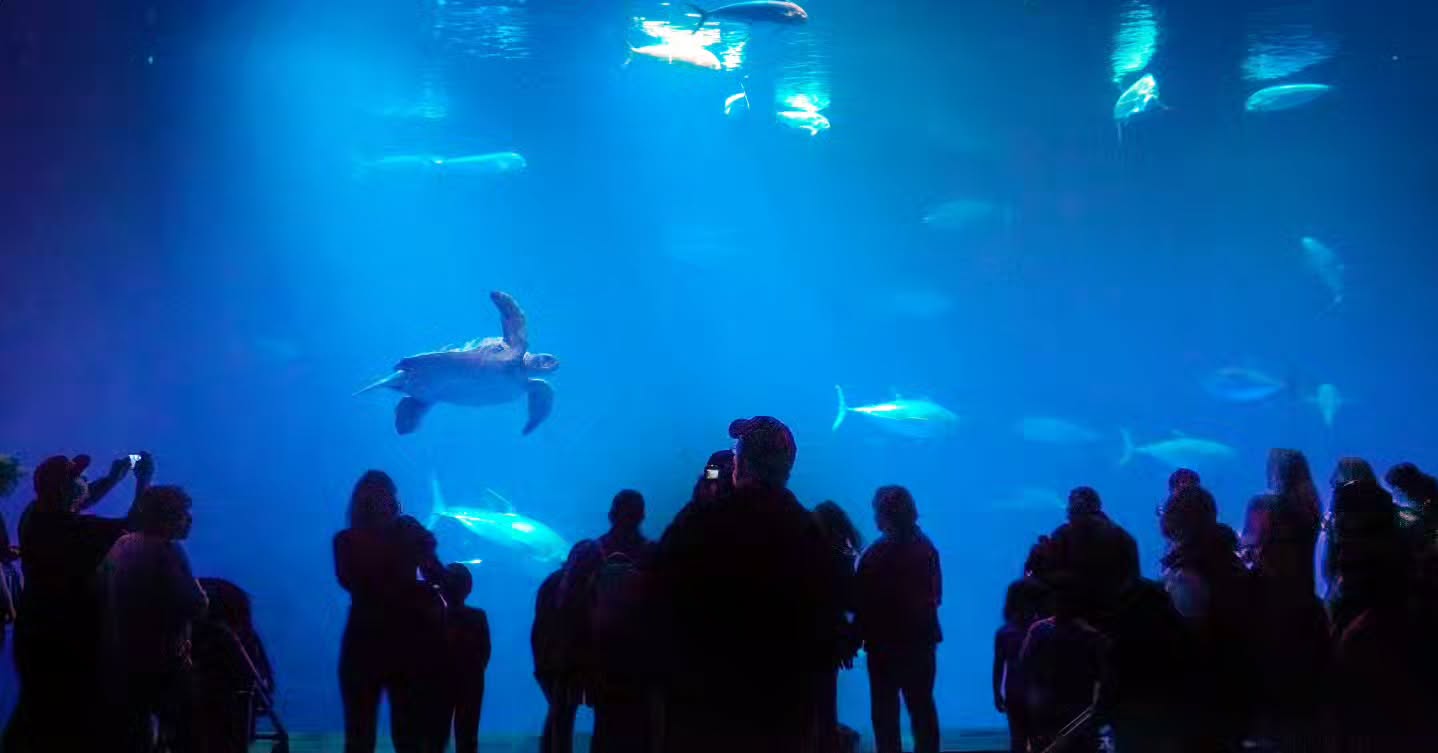
- Overview of the Monterey Bay Aquarium’s 1.2 Million Gallon Open Sea Tank
- Design and Engineering Features of the Open Sea Tank
- Ecological and Biological Significance of the Open Sea Tank
- Role of the Open Sea Tank in Conservation and Education
- Research Initiatives and Future Directions
The Monterey Bay Aquarium’s 1.2 million gallon Open Sea tank stands as a hallmark of marine facility architecture, both in terms of its design and functionality. This massive tank, one of the largest of its kind in the United States, provides a home for numerous species that inhabit the open ocean. Its impressive scale allows for the simulation of a natural environment, giving visitors insights into the life that thrives in these vast waters.
The tank occupies a prominent position within the aquarium, serving not only as an exhibit but as an educational tool and a center for research initiatives aimed at enhancing marine conservation efforts. The tank focuses on various facets of marine life—everything from the delicate ecology of plankton to the dynamic interactions of large marine predators.
The engineering of the Open Sea tank is both innovative and practical. Its design facilitates optimal light penetration, crucial for both photosynthetic organisms and overall tank health. With its clear acrylic walls, visitors have a panoramic view of the marine inhabitants. The tank has advanced filtration systems and wave-making technologies to replicate natural ocean conditions. Maintaining water quality is pivotal; thus, the aquarium employs rigorous monitoring protocols. This commitment to excellence ensures that the organisms within the tank live in an environment that mirrors their native habitat.
The ecological and biological significance of the Open Sea tank cannot be overstated. It serves as an educational platform for diverse marine species, including large pelagic fish such as tuna and sharks, as well as lesser-known species like sunfish and jellyfish. Each species presents unique adaptations shaped by their environments. The tank’s ecological system illustrates the food web within open-sea environments and the interdependencies between species.
One of the tank’s remarkable features is its ability to demonstrate migratory behaviors. For instance, several species on display engage in seasonal migrations, which can be observed directly by visitors. This visual can ignite interest in marine biology, leading to greater awareness of the conservation needs of these species.
The Open Sea tank plays a vital role in conservation and education. Through its exhibits and programs, the aquarium aims to foster a connection between people and the ocean. Educational programs run onsite encourage visitors to engage with marine science; they learn the importance of biodiversity and ecosystem health. Specially designed activities and informational sessions provide a deeper understanding of marine conservation challenges, such as overfishing and pollution.
Additionally, the aquarium collaborates with various organizations to champion marine conservation. This cooperation is integral in developing policies aimed at protecting marine habitats. The Open Sea tank serves both as a giving platform and a call-to-action. By showcasing the beauty and complexity of marine ecosystems, the aquarium inspires its visitors to take an active role in conservation efforts.
Research initiatives native to the Monterey Bay Aquarium contribute significantly to the understanding of marine life. The Open Sea tank provides an ideal setting for scientists to study species’ behaviors, adaptation, and physiology. Such research can lead to meaningful data that informs conservation strategies, ensuring the health of marine populations.
The aquarium actively participates in restoration projects, both locally and globally. The knowledge gained through the Open Sea tank’s research contributes to attempting to reverse the negative impacts caused by human activity on marine environments. Additionally, the aquarium addresses pressing environmental issues, such as climate change and its effect on oceanic biodiversity.
Future directions for the Open Sea tank are geared toward expanding educational outreach and conservation efforts. The aquarium is committed to integrating technology into visitor experiences. Virtual reality programs could offer immersive explorations of the ocean depths, while interactive displays educate on marine conservation tactics. The ever-changing landscape of marine science mandates that educational institutions keep innovating.
In summary, the Monterey Bay Aquarium’s 1.2 million gallon Open Sea tank is a multifaceted incubator for marine education, research, and conservation. The scope of its impact extends far beyond its physical dimensions. It serves as a unique educational and research platform that enhances understanding of marine ecosystems, promotes advocacy for ocean health, and inspires future generations to engage in ocean stewardship.
Through its impressive design, robust educational programs, and commitment to conservation, the Open Sea tank exemplifies the potential of aquarium facilities in the global effort to protect marine biodiversity. The model established here at Monterey Bay has resonance far and wide, reshaping perceptions of marine conservation and encouraging individual action. This proactive approach not only elevates the importance of marine ecosystems but also highlights the collective responsibility in preserving these invaluable natural resources.
*****
Source Description
1.2 million gallon Open Sea tank at the @montereybayaquarium
