
- The role of accredited zoos in wildlife conservation.
- Understanding non-releasable bald eagles and their care.
- The importance of the U.S. Fish and Wildlife Service’s regulations.
- The story of Ethan and what it symbolizes in wildlife rehabilitation.
- The broader implications for wildlife conservation efforts.
Accredited zoos serve as vital institutions in the sphere of wildlife conservation, playing various roles that go beyond mere exhibition. These facilities not only aim to educate the public about nature but also engage in breeding programs, research, and rehabilitation efforts. By maintaining high standards, these zoos work to conserve species threatened by habitat loss, poaching, and climate changes.
Within accredited zoos, the care of non-releasable bald eagles is an important component of conservation efforts. These birds, once injured or orphaned in the wild, cannot return to their natural habitats due to their compromised abilities, such as the inability to fly effectively. Such eagles serve an essential purpose in zoos; they raise awareness and help educate visitors about the challenges these magnificent birds face in the wild. Understanding why some bald eagles are non-releasable highlights the harsh realities of wildlife management.
The U.S. Fish and Wildlife Service (USFWS) provides the framework for managing these non-releasable animals. Their regulations ensure that all bald eagles held in accredited facilities are monitored to maintain genetic diversity, population health, and educational outreach. These guidelines are crucial for those working with these species since they dictate how the care and treatment of the eagles should proceed. By adhering to these standards, accredited zoos contribute to fostering a greater understanding of wildlife conservation.
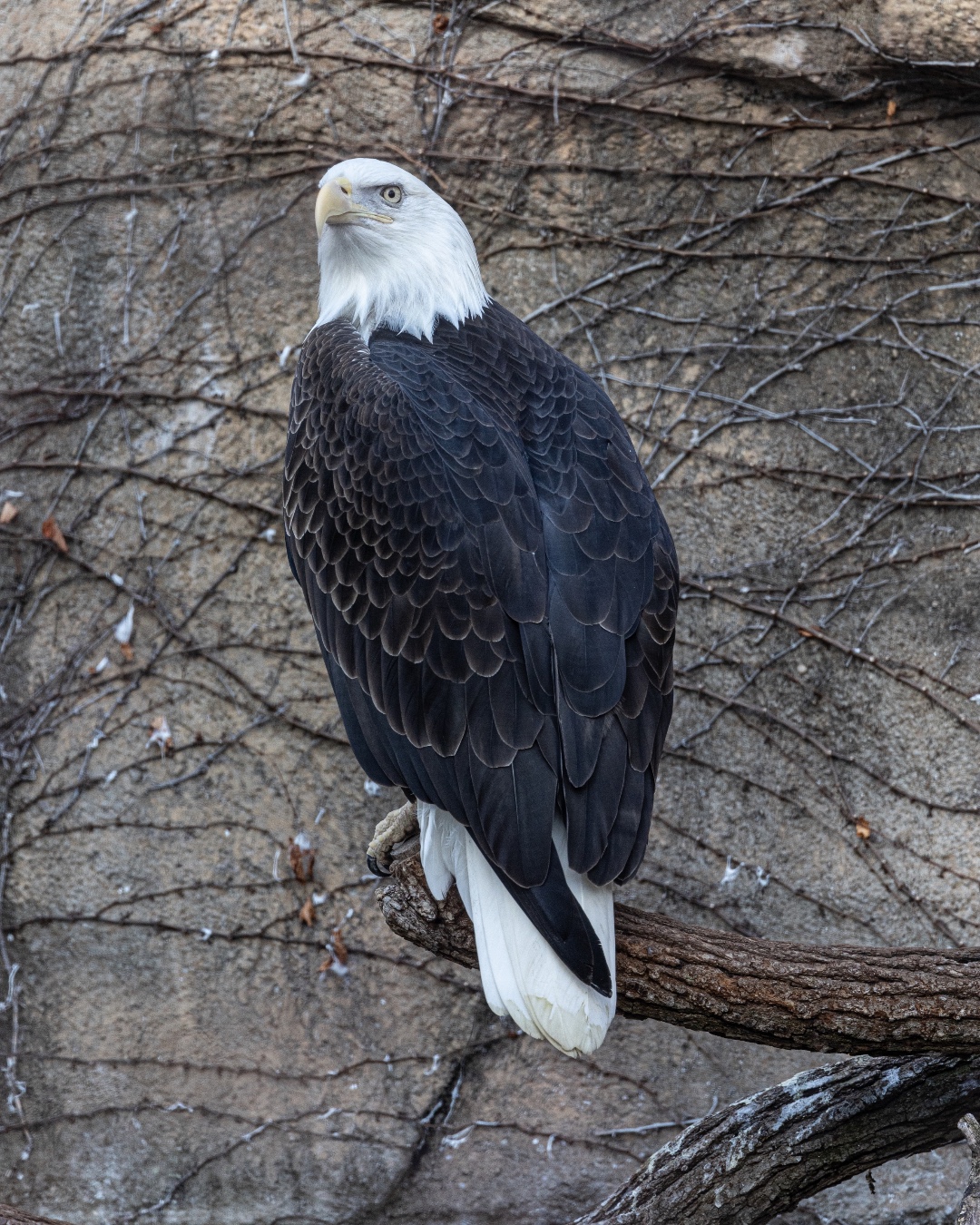
The case of Ethan, a bald eagle who has lived at a zoo for many years, sheds light on the realities of caring for these beautiful creatures. Ethan sustained injuries that compromised his flying ability. This situation underlines the importance of rehabilitation efforts geared toward injured wildlife. While rehabilitation is often the goal, Ethan’s story illustrates that not all animals can be returned to their natural habitats. This, however, does not limit their impact.
Bald eagles serve as a national symbol of resilience and strength in the United States, and their populations have rebounded from the brink of extinction due to concerted conservation efforts. Ethan’s life, as part of an accredited zoo, symbolizes an ongoing commitment to educating the public about the importance of preserving wildlife. Programs that involve bald eagles, like Ethan, create opportunities for visitors to connect with nature on a personal level, emphasizing the significance of conservation.
The role of the U.S. Fish and Wildlife Service is pivotal in shaping how zoos manage and protect bald eagles. The USFWS ensures regulations are in place to oversee the care of these animals, promoting ethical practices that favor animals’ natural behaviors. This oversight is necessary for maintaining the health and well-being of non-releasable birds like Ethan. It also facilitates collaboration among various organizations dedicated to conservation efforts.
Furthermore, non-releasable bald eagles can participate in educational programs. These programs serve a dual purpose: they inform the public about eagle conservation and inspire individuals to take part in similar efforts. Educators in zoos can utilize eagles like Ethan to illustrate broader topics, such as habitat preservation, the impacts of pollution, and the effects of climate change on wildlife.
The educational potential of non-releasable bald eagles is vast. Schools frequently partner with zoos to provide interactive learning experiences. By observing these eagles up close, students gain insight into the lives of these birds, including their behaviors, diet, and the challenges they face in the wild. Educational programs also often include conservation messages, encouraging attendees to take actionable steps to protect wildlife and their environments.
Engagement extends beyond the walls of the zoo. Social media platforms have become valuable tools for accredited zoos to reach broader audiences. By sharing stories about non-releasable bald eagles like Ethan, zoos can drive discussions on wildlife conservation. This outreach can motivate individuals to support conservation initiatives, whether through donations, advocacy, or simply spreading awareness.
In summary, the care of non-releasable bald eagles in accredited zoos plays a crucial role in wildlife conservation. The story of Ethan serves as an impactful reminder of the importance of these institutions in fostering understanding and connection to the natural world. Additionally, the regulations enforced by the U.S. Fish and Wildlife Service ensure these birds receive the appropriate care while helping to promote educational programs. Through these various channels, accredited zoos like the one housing Ethan contribute significantly to broader conservation efforts, ensuring the resilience of species for generations to come.
*****
Source Description
Did you know that all bald eagles cared for at accredited zoos are non-releasable individuals under the stewardship of the U.S. Fish and Wildlife Service?
Ethan has been in our care for many years ever since he sustained an injury in the wild which impacted his ability to fly.
