
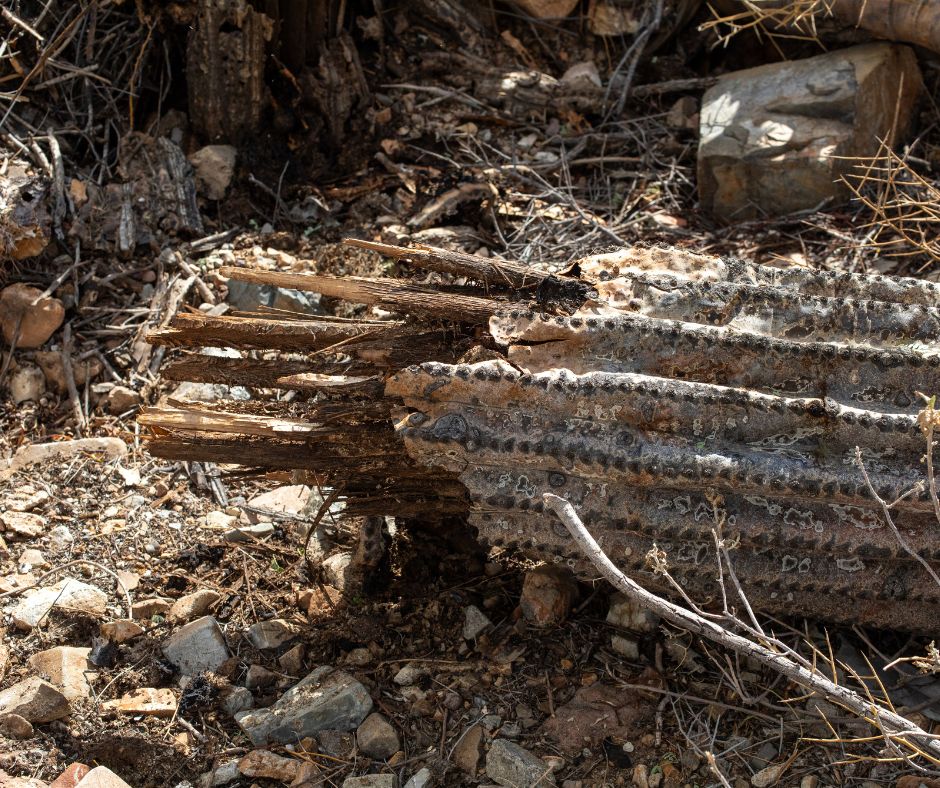
- Days in the Sonoran Desert remain warm, but fall introduces new dynamics to the ecosystem.
- The role of fallen saguaros in creating an ecological network teeming with diverse life forms.
- The diverse array of insects and arthropods found in decaying cactus remnants and their ecological functions.
- The importance of conservation efforts to maintain the integrity of this unique habitat.
- Engaging appreciation of the extraordinary connections between flora and fauna within desert ecosystems.
The Sonoran Desert is an ecosystem characterized by extreme temperatures, where days remain hot and bright even as fall approaches. This seasonal change not only brings cooler nights but also transitions the habitat, influencing various ecological interactions. As the days grow shorter and the air becomes crisper, the desert’s inhabitants adapt, each playing a crucial role in maintaining the delicate balance of life.
One fascinating aspect of this transition is the role of fallen saguaros. These iconic cacti, which can live for several decades, eventually succumb to age or environmental stresses. When they fall, they do not simply decompose; instead, they contribute to an intricate ecological network. Fallen saguaros become hubs for activity, supporting hundreds of species of bacteria, fungi, arthropods, and even vertebrates. This cycle of life begins with the decaying flesh of the cactus, which provides nutrient-rich sustenance to a variety of organisms.
Fungi and bacteria play essential roles in breaking down the cactus material. Fungi, in particular, are adept at decomposing organic material, converting tough plant fibers into simpler substances that can be utilized by other organisms. As they work, these microscopic agents support the growth of a diverse array of arthropods. This group includes insects, arachnids, and crustaceans, all of which contribute to the decomposition process and nutrient cycling in the environment.
Among the striking inhabitants of fallen saguaros are various insect species that have evolved to live in this unique niche. Several large bugs thrive in the decaying flesh of saguaros, playing crucial roles in nutrient cycling and soil health. These insects often have specialized adaptations that allow them to access the nutrients stored in the cactus. For example, some beetles have developed strong mandibles to burrow into the soft, decaying material, facilitating further breakdown and ensuring that nutrients are made available for other organisms in the food web.
One notable group found among these fauna is the dung beetle. While one might not expect dung beetles to be closely related to saguaros, they play an important role in nutrient cycling. These beetles contribute to breaking down organic matter, enhancing soil quality, and supporting plant health. Their role emphasizes the interconnectedness of different species within this environment and exemplifies how organisms, even those that may seem out of place, contribute to the broader ecological picture.
Crucially, the relationship between these insects and the fallen saguaros extends beyond mere survival. Insects are often prey for larger vertebrates, including birds and mammals. Thus, the fall of a saguaro creates not just a microhabitat for decomposers but also a food source for various predators. As they feed, these larger animals further disperse nutrients, enhancing the overall productivity of the desert ecosystem.
However, as fascinating as these interactions may be, they come with pressing conservation concerns. The Sonoran Desert faces numerous environmental challenges, including climate change and urban development. These factors can disrupt the delicate balance of the ecosystem and impact the health of saguaros. Conservation efforts are essential to protect both the iconic cacti and their associated habitats. Protecting these areas not only safeguards the saguaros but also supports the entire web of life that thrives in this unique environment.
Conservation efforts in the Sonoran Desert are diverse and can include habitat restoration, public education, and wildlife management. Each plays a pivotal role in enhancing understanding and appreciation of the importance of these ecosystems. Engaging local communities in conservation initiatives can foster a sense of stewardship, leading to more sustainable practices and a collective commitment to preservation.
Recognizing and documenting the various insects discovered in fallen saguaros is also integral to understanding these ecosystems. Citizen science initiatives can encourage the public to participate in data collection and contribute to ongoing ecological research. Understanding the interactions between these hexapods and their environment can provide valuable insights into the health of the desert ecosystem. Identifying species, understanding their roles within the food web, and monitoring their populations can guide necessary conservation actions.
Furthermore, educational outreach can help foster appreciation and understanding of the unique dynamics at play in the Sonoran Desert. By providing information about the species that inhabit this landscape, individuals of all ages can understand the importance of each organism and how they contribute to ecological stability. This knowledge can empower people to advocate for conservation initiatives and support efforts that minimize human impact on the environment.
Fall in the Sonoran Desert initiates a season of transition. As daylight wanes, the sun’s rays give way to a broader range of ecological interactions. The fall of saguaros introduces a host of biotic interactions where bacteria, fungi, and insects work synergistically to maintain the ecosystem’s health. These connections solidify the importance of understanding and conserving this environment.
Engaging with the complexities of these interactions emphasizes their significance in maintaining biodiversity. This desert habitat, often perceived as stark and barren, pulsates with life waiting to be recognized. By shining a light on the myriad organisms that call this environment home, we can foster greater appreciation for the interconnectedness of life.
The Sonoran Desert stands as a testament to resilience and adaptation, not only in its flora but in its fauna as well. Each component, from the grand saguaros to the tiny insects, contributes to a larger mosaic of existence. The fallen saguaros may appear as mere remnants of once-mighty cacti; however, they are vibrant lifelines that feed and nurture an entire spectrum of life.
As our understanding of these complex interactions deepens, it is essential to share this knowledge widely. Promoting awareness about the role of fallen saguaros and the myriad insects they support can inspire people to take action. Each of us has a role to play in preserving the ecological richness of the Sonoran Desert, ensuring that these intricate connections continue to thrive.
By acknowledging the significance of these organisms and their habitats, we can cultivate a sense of responsibility toward the environment. It is essential for individuals, communities, and leaders to recognize the value of the Sonoran Desert as a living, breathing entity full of interconnected life. With collective action, we can commit ourselves to protecting this magnificent and vital ecosystem.
The fall season in the Sonoran Desert may bring its darkness, but it is precisely this contrast that highlights the vibrancy of nature. Each season provides an opportunity to explore and understand the complex web of life that exists in the heart of this desert. Emphasizing the relationships between fallen saguaros and their communities of insects is a beginning, a spark that can ignite broader discussions about conservation and ecology. Each engagement enhances the narrative of life in this beautiful and challenging environment, showcasing the vital role we can all play in protecting it for generations to come.
*****
Source Description
Days are still hot and bright here in the Sonoran Desert; however, with fall comes a little darkness! 🎃
Fallen saguaros create a complex ecological network, with hundreds of species of bacteria, fungi, arthropods, and even some vertebrates working together to process the deacdes-old cactus flesh.
We’ve photographed some of the big bugs found in these sun-baked saguaro remnants. Can you help us figure out the ecological role of these cute hexapods?
