
- Registered Veterinary Technologist Month: Importance and recognition
- Roles and responsibilities of zoo veterinary technologists
- Favorite tasks and animals among zoo vet techs
- The significance of positive reinforcement training in veterinary care
- Public awareness: What people should know about veterinary technologists
This October, we celebrate Registered Veterinary Technologist Month, honoring the dedication and expertise of registered veterinary technologists (RVTs) everywhere. This annual recognition shines a light on the crucial role RVTs play in animal care. Their qualifications and skills are essential in many settings, particularly in zoos where diverse animal species require specialized knowledge and care.
Zoo veterinary technologists are responsible for the health and well-being of animals ranging from fish to large mammals like polar bears. Their expertise isn’t just limited to common pets; they apply their knowledge across various species, making them indispensable to animal care facilities.
Roles and responsibilities of zoo veterinary technologists
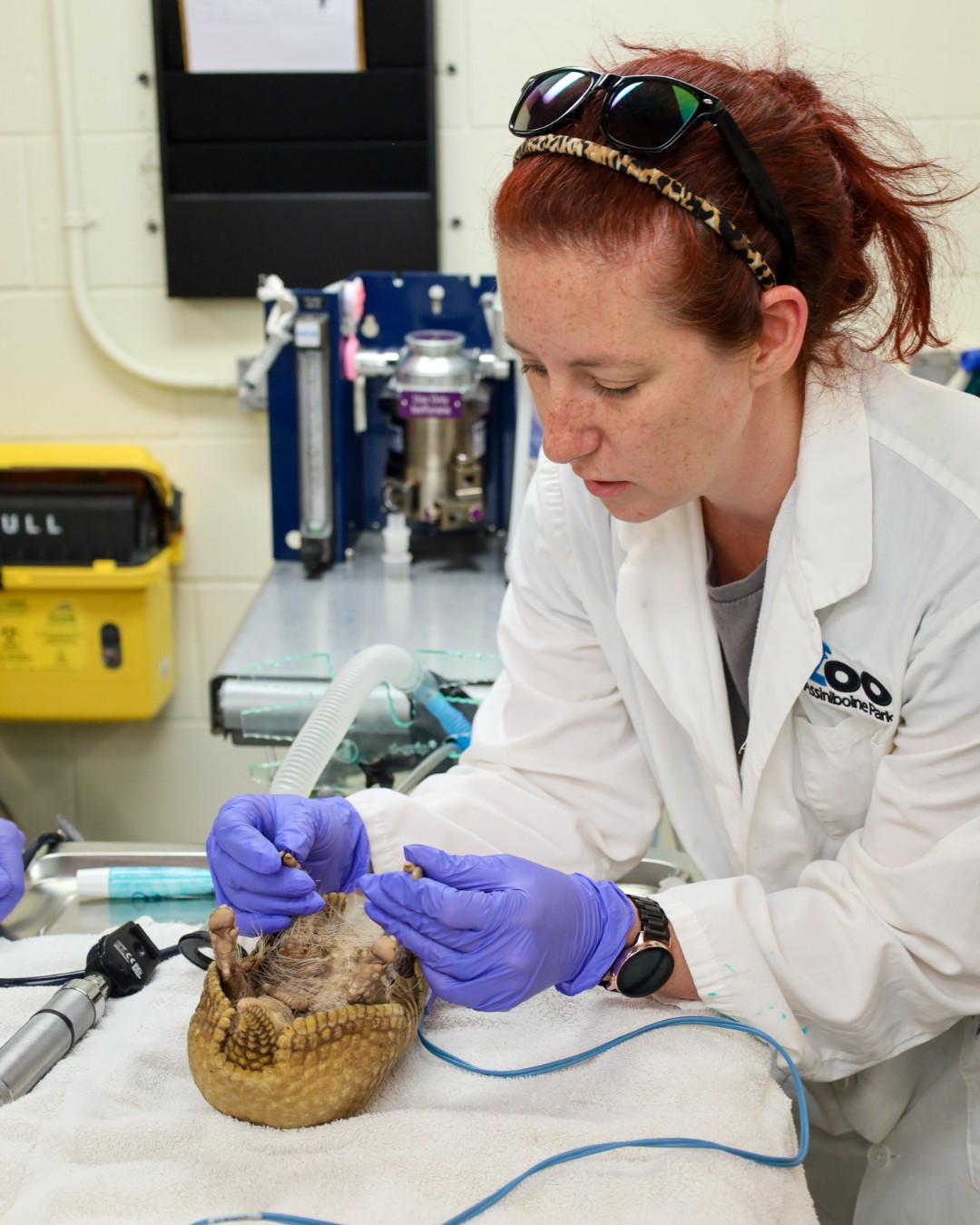
The responsibilities of zoo veterinary technologists encompass a wide range of tasks. They are involved in direct animal care, such as monitoring anesthesia during procedures, collecting blood samples, and performing dental cleanings. They also assist with surgical operations and can be found managing pharmaceutical needs and performing lab work.
Such responsibilities necessitate a comprehensive education and training. Most RVTs complete a formal program that includes anatomy, physiology, and pharmacology, along with practical training in clinical settings. Upon successful completion of their training, they must obtain national certification to practice.
Beyond their hands-on duties, RVTs also play a key role in veterinary research and in the training of animal care professionals. Their involvement in species-specific health checks and wellness protocols aids in the overall conservation efforts of institutions focused on wildlife preservation.
Favorite tasks and animals among zoo vet techs
In a recent discussion, our skilled zoo vet technologists shared insights into their favorite tasks and animals. One beloved task involves collecting blood samples from various species, including fish and reptiles. This meticulous process requires precision and knowledge about the specific anatomical features of each species.
Another cherished aspect of their work is the implementation of training methods that emphasize positive reinforcement. This approach not only enriches the animals’ lives but also aids in their medical care. For example, teaching an animal to voluntarily present a body part for examination reduces stress and risk, making the procedure smoother for both the animal and the technician.
Among the animals that have captured the hearts of our zoo vet techs are the muskox and bighorn sheep. These animals exemplify the diversity of species that require specialized care within a zoo setting. The interactions with seals have also been particularly memorable, especially when collaborating with the Animal Care Professionals to facilitate effective training.
The significance of positive reinforcement training in veterinary care
Positive reinforcement training is a cornerstone of animal behavior management in modern veterinary medicine. This method relies on rewarding desired behaviors, encouraging animals to engage willingly in their own care. The benefits are multifaceted; animals become more relaxed during veterinary procedures, creating a safer environment for both the animal and the veterinary team.
For zoo veterinary technologists, employing this training modality also fosters a strong bond between the animals and their caregivers. Creating trust and cooperation is essential, as many animals may instinctively resist examination or handling. Over time, positive reinforcement can significantly enhance these animals’ comfort levels, making necessary medical events less stressful.
This training philosophy also aligns with the principles of enrichment, where activities and interventions are designed to stimulate animals mentally and physically. RVTs contribute to developing enrichment programs, ensuring animals remain engaged and active.
Public awareness: What people should know about veterinary technologists
Despite the critical roles RVTs play in animal care, many people remain unaware of their extensive qualifications. Becoming a certified RVT involves rigorous training and a commitment to ongoing education. They must stay current with advancements in veterinary medicine, providing the highest level of care to the animals they work with.
Veterinary technologists are often seen primarily as assistants to veterinarians, but their skill set goes far beyond this perception. They may perform advanced diagnostic procedures, interpret lab results, and manage anesthesia. Their ability to juggle multiple responsibilities is crucial in high-pressure environments like zoos.
Additionally, RVTs often act as educators, sharing their knowledge with the public and helping them understand animal behavior, health, and conservation issues. Their expertise is key in promoting informed attitudes towards wildlife preservation and rehabilitation.
As we celebrate Registered Veterinary Technologist Month this October, it is imperative to recognize the critical contributions of RVTs. From animal care to public education, their roles are vital in promoting a healthy, sustainable environment for various species. The insight and compassion they bring to their work make a significant difference, not just for the animals they care for but for the communities they serve.
The rigorous and diverse tasks undertaken by RVTs contribute directly to the welfare and understanding of animal species across the board. Through their commitment and expertise, they play an essential role in advancing animal health, conservation, and education. The contributions made by RVTs should not only be acknowledged in October but recognized throughout the year, reflecting their significant impact in zoo facilities and beyond.
*****
Source Description
This October, please join us in celebrating Registered Veterinary Technologist Month! 🩺
Our three highly skilled Zoo Vet Techs work with every single animal in our care, meaning they require expertise in species ranging from fish to reptiles, to birds, to large mammals like polar bears!
We asked them to tell us a little bit about their favourite tasks, animals, and what they wish people knew about their profession.
🩺 Favourite tech tasks?
Collecting blood samples from all species including fish and reptiles, and doing positive reinforcement training for medical procedures.
🩺 Favourite animals to work with?
Some of the creatures that have stolen their hearts include the muskox and bighorn sheep. Another shout out goes to the seals, and the collaborative training work with the Animal Care Professionals!
🩺 What do you wish people knew about Vet Techs?
RVTs are highly trained professionals with a national certification. Techs wear so many different hats! From monitoring anesthesia, taking radiographs, performing dentals, surgical assistance, pharmacy and lab tech work, the list goes on.
Thank you to our talented team, we appreciate your dedication, care, and professionalism every month of the year!
