
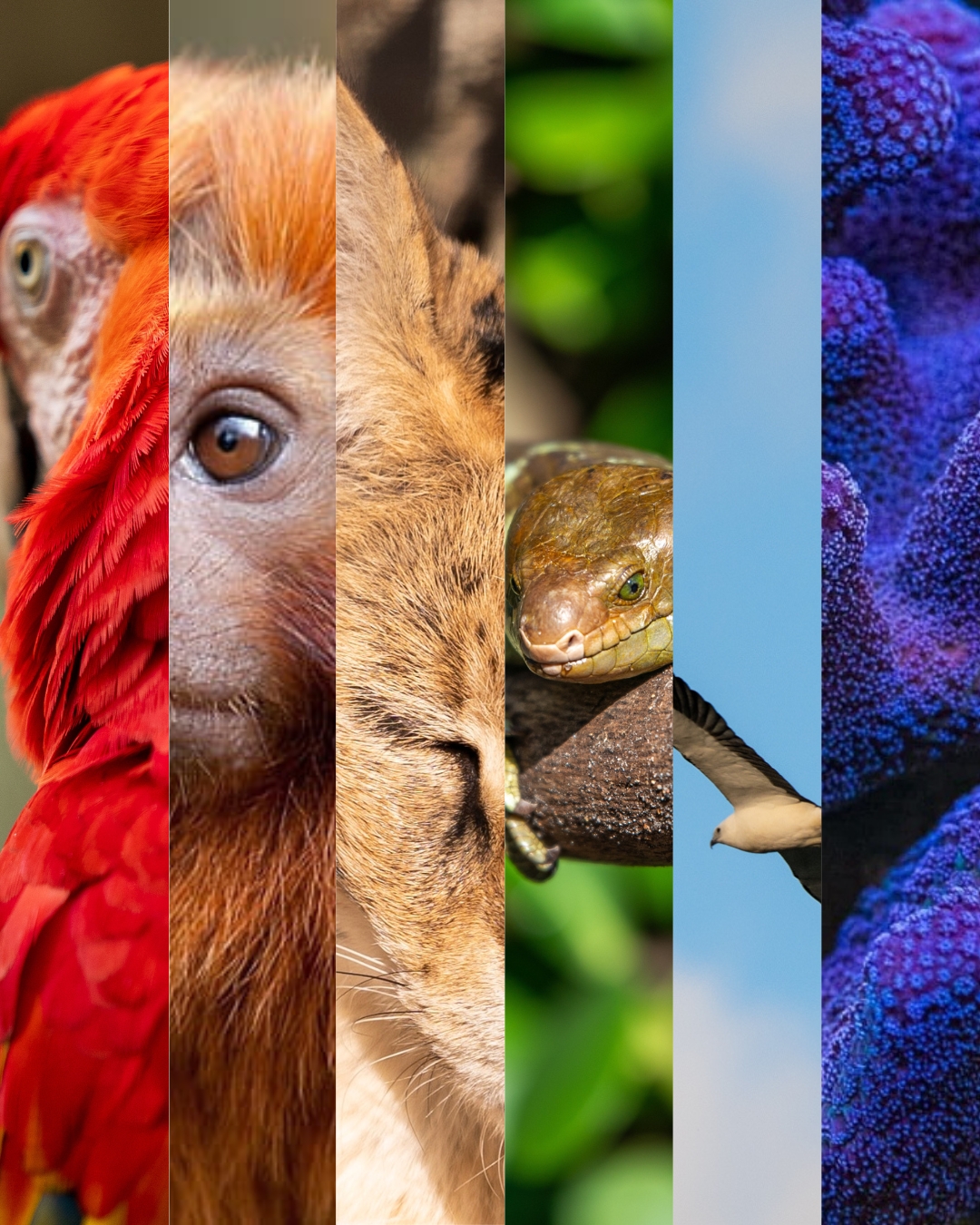
- Emphasizing community strength through acceptance and love
- The role of diverse perspectives in wildlife conservation
- Highlighting the connection between communities and wildlife
- The importance of education and outreach in conservation efforts
- Practical steps for individuals to engage in wildlife conservation
Every community thrives when its members embrace, celebrate, and love one another for who they are. This philosophy emphasizes inclusivity and support, particularly in initiatives like wildlife conservation. A welcoming space encourages sharing ideas, fostering connections, and appreciating the natural world surrounding us. For habitats to thrive, it is essential to encourage everyone’s participation, reflecting diverse backgrounds, values, and experiences.
Diversity in perspective is critical to the conservation mission. Each person brings unique attributes that enhance understanding and approach in conserving wildlife. Individuals with differing viewpoints can contribute invaluable insights to address challenges facing wildlife and ecosystems. Conservation is not just a scientific pursuit; it involves history, culture, and personal passion. Engaging communities in this conversation ensures all voices are heard, promoting a more comprehensive view of the challenges and solutions.
Connection with wildlife often begins at a personal level. Zoos or wildlife centers serve as vital resources, where people can learn about animals, their habitats, and conservation efforts. Such organizations create opportunities for community members to build relationships with wildlife. Knowing local species and understanding their roles in ecosystems strengthens one’s connection to the environment. This interaction often sparks a passion for preserving natural habitats and understanding the importance of biodiversity.
Education is a cornerstone of effective conservation. Programs aimed at schools and local communities elevate awareness about environmental issues. Workshops, field trips, and volunteer opportunities help individuals of all ages understand the significance of their actions. Educators drive home the message that every action counts—from recycling to supporting wildlife protection. Building knowledge leads to increased advocacy for conservation policies that safeguard vulnerable animals and ecosystems.
Individuals can take concrete steps toward wildlife conservation. Simple actions such as reducing plastic use, planting native gardens, or participating in local clean-up projects can foster a healthier environment. Engaging in citizen science, such as monitoring local flora and fauna, contributes to broader conservation efforts, providing essential data for scientists. Local conservation groups often host events allowing community members to volunteer and educate themselves about wildlife protection.
By binding together as a community, sharing our passions, and actively participating in conservation efforts, we can significantly impact the health of our planet. Our appreciation for wildlife and our commitment to protecting it demonstrate that conservation is a mission accessible to everyone, regardless of background.
*****
Source Description
We believe our community is strongest when we embrace, celebrate, and love each other for who they are. We’re proud to be a welcoming space where everyone can connect with wildlife and discover the wonders of the natural world.
Conservation is a mission that needs every voice, every perspective, and every preference in the fight to save wildlife and wild places. Together, we can ensure that the incredible diversity of our planet’s wildlife has the best chance of success. ❤️
