
- The biological significance of feathers, fur, and snowflakes
- Adaptations of animals to snowy environments
- The impact of snow on animal behavior and ecology
- Conservation efforts for species in snowy habitats
- The relationship between climate change and snowy ecosystems
The interplay between feathers, fur, and snowflakes creates a fascinating dynamic in nature, particularly evident during the first snowfall of the season. The arrival of snow marks a pivotal time in many ecosystems, affecting animal behavior, habitat dynamics, and even species survival. Understanding how feathers and fur serve as crucial adaptations for survival in these cold environments, alongside the role that snowflakes play in influencing ecological balances, offers insight into the intricate relationships that govern life in snowy terrains.
Feathers and fur serve as protective layers for various species, providing insulation and aiding in thermoregulation. In birds, feathers are not only essential for flight but also offer remarkable thermal properties. The structure of feathers traps air, effectively creating an insulating layer that helps maintain body temperature. Birds such as the snowy owl and various species of chickadees display short, dense feathers that increase heat retention. Similarly, mammals like the Arctic fox and snowshoe hare possess thick fur that serves a dual purpose: insulation from cold temperatures and camouflage within snowy landscapes.
The elongated, hollow shafts of feathers act as efficient barriers against cold wind and moisture, which can significantly impact a bird’s health and energy expenditure. Birds often puff up their plumage to increase insulation during harsh winter weather, further emphasizing the importance of feathers in their survival strategy. Furthermore, the color and texture of feathers can play a role in behavioral adaptations, influencing how species engage in foraging, mating, and predator avoidance during snowy conditions.
Fur color also plays an essential role in camouflage. For instance, the Arctic hare transitions from brown to white fur in response to seasonal changes, blending seamlessly into its snowy environment. This adaptive trait is vital for evading predators and is an essential survival strategy that illustrates the evolutionary forces shaping species in colder climates. Seasonal fur changes are not limited to hares; many species in cold regions, such as wolves and lynxes, exhibit similar adaptations, further highlighting the interdependence of physical traits and seasonal changes.
Snowflakes also play a critical role in shaping ecosystems, influencing not only physical landscapes but also animal behavior and interaction. Snow acts as a natural insulator, creating a protective blanket over the ground that stabilizes temperature fluctuations, allowing vegetation to thrive beneath it. This layer can also shelter small mammals like voles and shrews from predators, creating a unique ecological niche in wintertime.
Ecologists study snow density, snowflake formation, and other facets to understand better how snowfall impacts wildlife. Deep snow can complicate foraging behavior for larger mammals like deer, which may find themselves using more energy to traverse through it. The depth and consistency of snow influence foraging strategies and movement patterns, often pushing animals to adapt their behavior to find food.
During these snowy months, animals frequently adjust their foraging practices. Many mammals develop strategies that allow them to conserve energy while managing the challenges that come with snowy landscapes. For example, in areas with consistent snowfall, some species will utilize existing pathways crafted by predators or other animals, allowing them to save energy while traveling through dense snow.
Ecosystem dynamics can also shift remarkably due to snow cover. Snowpack affects the moisture content of the soil as it melts, playing a significant role in the hydration of plants during the subsequent spring months. This seasonal shift impacts plant growth, which in turn affects herbivores and predators within the food web, creating a cascading effect throughout the ecosystem.
As wildlife encounters ongoing climatic change, the relationship between snow, fur, and feathers has come under scrutiny. Elevated temperatures can lead to reduced snowfall, affecting the survival of species that rely on snow-covered habitats. Animals adapted to cold conditions face heightened pressure as their environments change, forcing them to either migrate or adapt quickly.
Conservationists emphasize the importance of preserving snowy habitats, especially in light of climate change. Protecting these areas not only aids in wildlife survival but also maintains the intricate web of life that relies on these ecosystems. Initiatives to restore habitats and ensure ecological integrity are critical, as animal populations depend on consistent and stable environments for breeding, feeding, and survival.
Understanding the biological significance of feathers, fur, and snowflakes enriches our appreciation for biodiversity and wildlife conservation. It highlights the delicate balance that exists in snowy ecosystems and the remarkable adaptations that enable various species to thrive. Winter’s first snow vividly illustrates how interconnected life is in these habitats. The interplay between physical adaptations, behavioral changes, and environmental factors underscores the urgency to protect these delicate ecosystems for years to come.
The first snow of the season serves as a reminder of nature’s resilience and adaptability. By protecting these habitats, we help maintain the balance that supports feathered and furry inhabitants and the delicate snowflakes that blanket their world. Conservation efforts must focus on understanding and safeguarding these relationships. Only with a well-grounded approach can we hope to sustain the captivating marvels presented by nature, emphasizing the essential interconnectivity shared by all life.
*****
Source Description
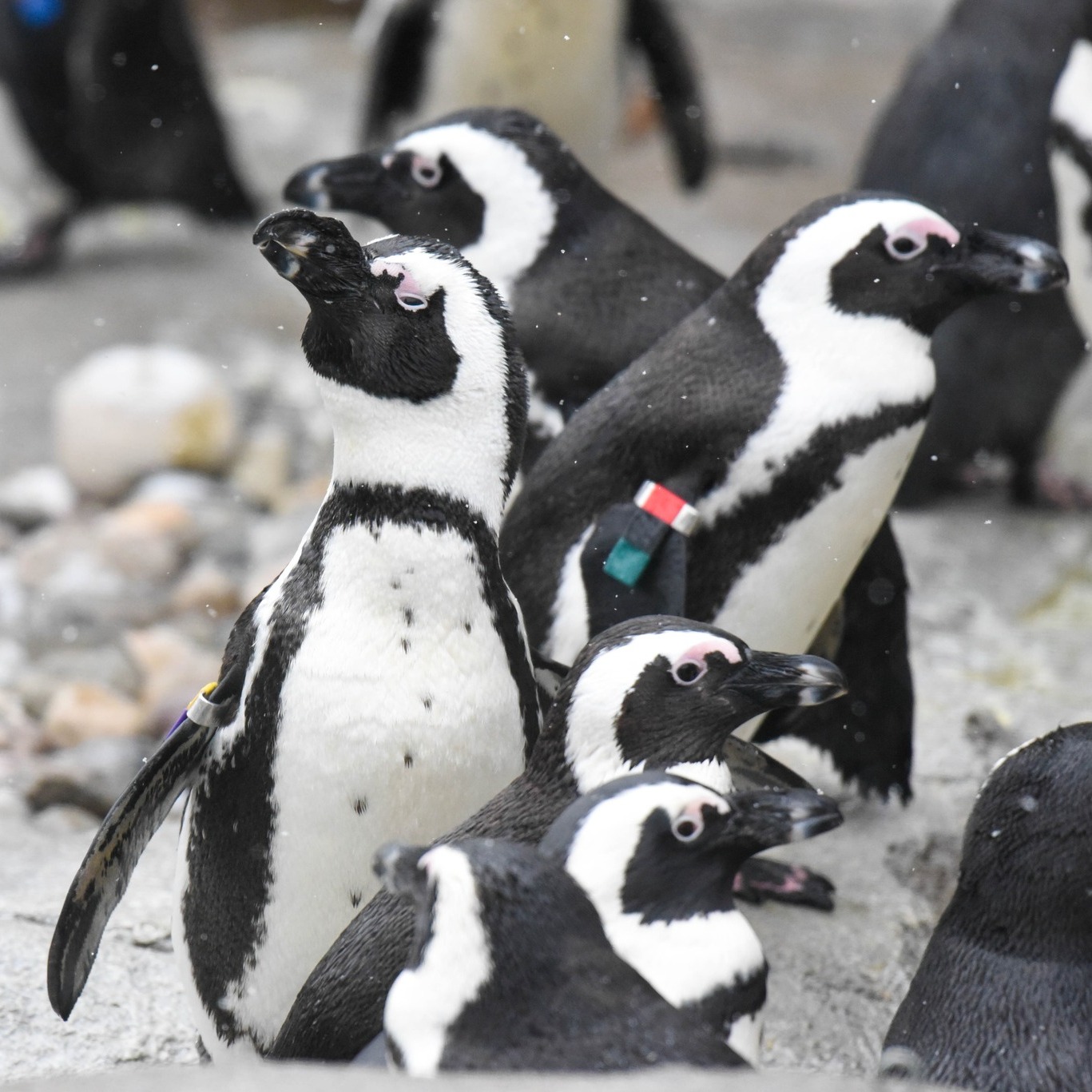
Feathers, fur, and snowflakes! ❄️ A perfect combo for the first snow of the season.
