
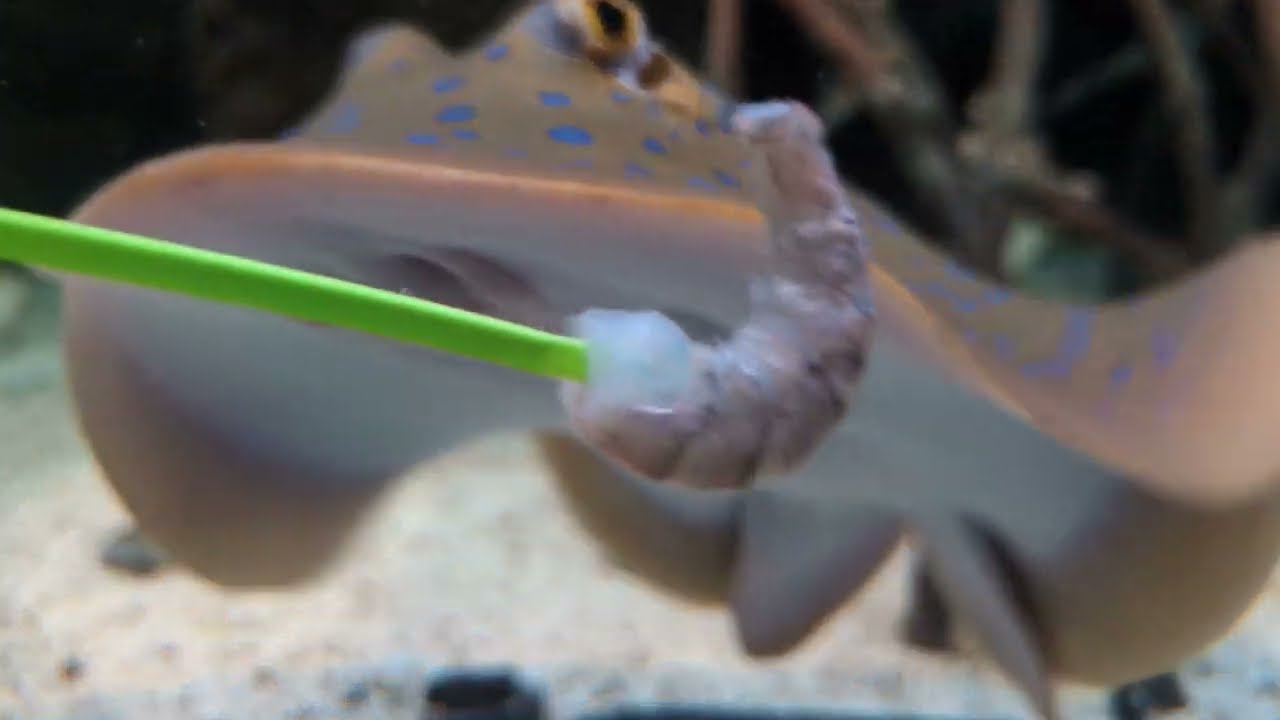
- The significance of marine wildlife conservation with a focus on rays
- The role of zoo management in educational experiences
- Understanding ecological interactions in marine environments
- The relationship between human activities and marine life conservation
Marine wildlife conservation is a field that holds immense importance. It focuses on protecting diverse species like rays, whose wellbeing is indicative of ocean health. Rays, belonging to the same family as sharks, play critical roles in their ecosystems. Known for their flattened bodies and graceful movements, these fascinating creatures have unique feeding habits and are highly sensitive to changes in the environment. Conservation of such species involves preserving both their breeding grounds and feeding territories to maintain the balance of marine ecosystems.
The task of conservation is not confined to marine environments alone; it seamlessly extends into educational realms at zoos and aquariums. These facilities serve as essential venues for raising awareness about marine life and the challenges it faces. The interaction of zoo visitors with marine animals, such as rays, fosters understanding and promotes conservation efforts. Feeding the Rays: Jar Jar and Padmé is an exhibit that exemplifies the role of education in conservation.
Zoo management is pivotal in orchestrating interactive experiences, like the feeding of rays. These experiences are underpinned by extensive research and understanding of marine biology, ensuring the welfare of the animals. Exhibit designers and zookeepers must possess a deep understanding of animals’ dietary and behavioral needs. They provide diets that not only sustain health but also simulate wild feeding behaviors. In this context, education extends beyond basic information to actively involve visitors in the conservation mission.
Ecological interactions in marine environments are intricate and vital. Rays, for instance, contribute to ocean health by regulating populations of prey species. This dynamic maintains the equilibrium of the ecosystem and allows diversity to flourish. Understanding these interactions helps design successful conservation strategies. Encouraging people to feed and interact with rays, like Jar Jar and Padmé, promotes an understanding of these relationships and highlights the delicate balance necessary for ecosystem health.
Human activities have profound impacts on marine life, making conservation efforts increasingly urgent. Pollution, overfishing, and habitat destruction threaten marine species, necessitating immediate action. By showcasing charismatic species such as rays, zoos can inspire the public to participate in conservation efforts. These encounters increase awareness of the threats faced by marine species and underscore the need for responsible environmental stewardship.
Encounters like Feeding the Rays: Jar Jar and Padmé offer insightful experiences that bridge the gap between humans and marine life. They highlight the complexities of conserving marine biodiversity and emphasize the significance of collaboration between zoos, aquariums, scientists, and the public. This synergy is crucial for shaping conservation practices that can protect our oceans for generations to come.
*****
Source Description
Meet Jar Jar and Padmé! These rays can be seen in our Connected Coasts gallery, gliding over the sandy bottom and weaving through the roots of our mangrove habitat.
Aquarist Savannah target feeds Jar Jar and Padmé using an acrylic rod capped with a green tie that holds food. The rays have learned to associate the target with mealtime, and are quick to recognize it and grab their grub. Target feeds allow aquarists to get a closer look at the animals in their care while making sure each individual gets plenty of food. #themoreyouknow
#Maskray #RibbontailRay #Padme #JarJar #OregonCoast #OregonCoastAquarium
