
- The allure and significance of Beliza the Goldman’s Jaguar
- Understanding the ecological role of jaguars
- Insights into zoo management and animal care
- The importance of wildlife conservation efforts
- Public engagement and education through animal showcases
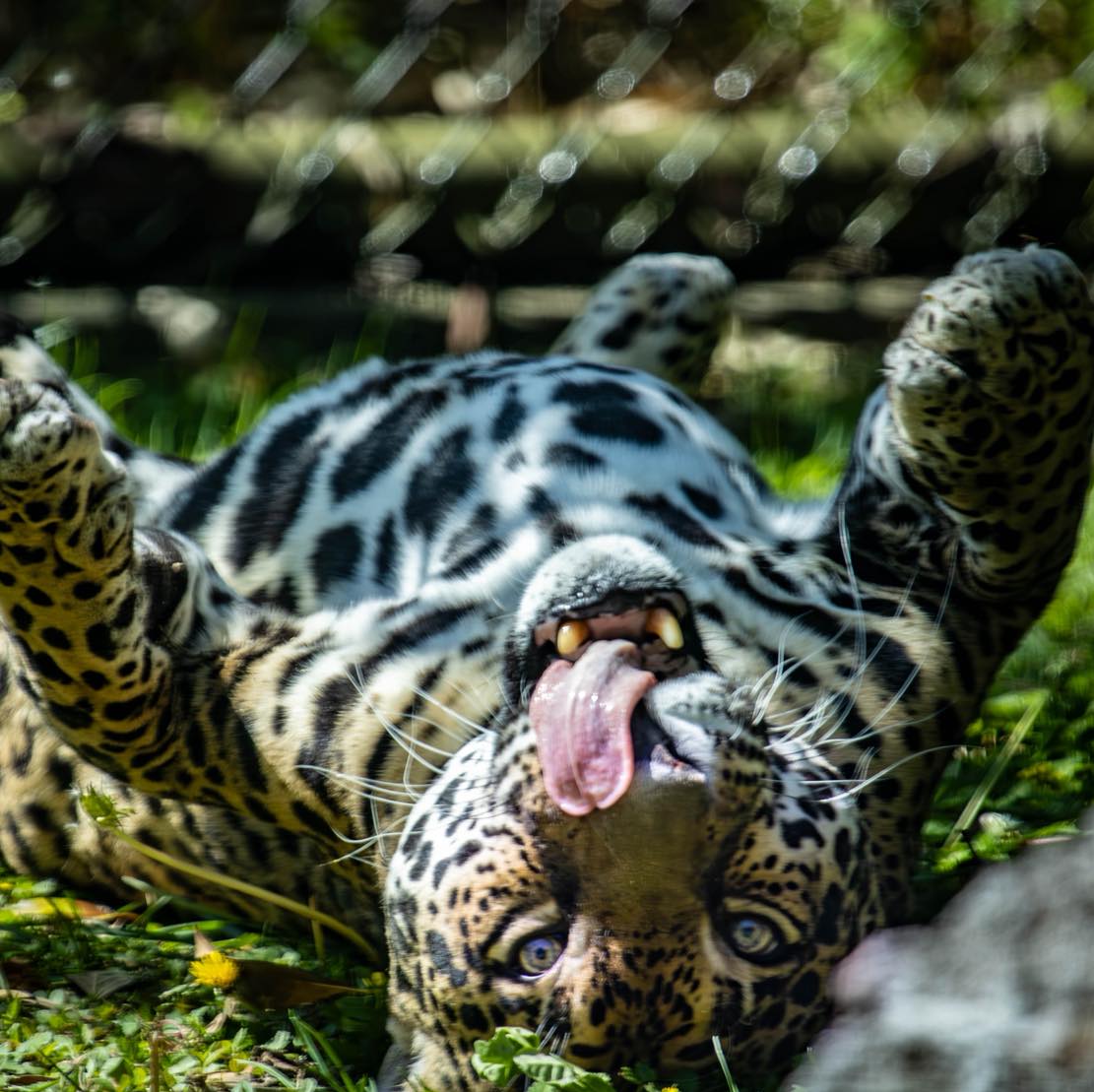
Beliza, the Goldman’s Jaguar, stands as a symbol of charisma and the vibrant spirit of wildlife. At 20 years old, she exudes a personality that captivates visitors and enriches the environment at the zoo. Jaguars, with their muscular build and distinctive coats, represent more than just beauty; they are integral components of their ecosystems. The phrase “Cat got your tongue?” humorously reflects the awe that Beliza inspires, allowing visitors to ponder the various features and behaviors of these magnificent big cats.
Jaguars play a critical role in maintaining the health of their habitats. As apex predators, they help regulate populations of various species, ensuring a balanced ecosystem. By preying on herbivores and smaller carnivores, jaguars prevent overgrazing and promote vegetation diversity. This ecological balance supports other wildlife and plant species, creating a dynamic system in which every organism plays a part. Understanding this role is essential for anyone keen on wildlife conservation, as the decline in jaguar populations can lead to cascading effects throughout the ecosystem.
Effective zoo management contributes significantly to the welfare of animals like Beliza. Modern zoos operate under stringent animal care standards, which prioritize the health and well-being of their inhabitants. This includes veterinary care, proper nutrition, and behavioral enrichment. Keepers dedicate their time to creating an environment that mimics the jaguar’s natural habitat, incorporating features such as climbing structures and water features, allowing these magnificent cats to exhibit natural behaviors. Programs designed to engage and challenge animals mentally and physically enhance their quality of life.
Fostering understanding and respect for wildlife is crucial in today’s society. Education initiatives, often led by zoos, aim to inform the public about the importance of species conservation. Beliza serves as an ambassador for her species, showcasing both their beauty and the challenges they face in the wild. Visitors often leave with a deeper appreciation for jaguars and an understanding of the threats they encounter, such as habitat loss, poaching, and climate change. Educational programs may include interactive sessions, workshops, or informational signage that detail the species’ biology and conservation status.
Wildlife conservation efforts targeting jaguars are essential in preserving these magnificent animals. Various organizations collaborate to ensure that jaguars can thrive in their natural environments. These efforts include habitat preservation initiatives, anti-poaching campaigns, and community engagement programs that educate local populations about sustainable practices. By working alongside local communities, conservationists can address the root causes of threats to jaguars and help foster coexistence between wildlife and human populations.
Public engagement plays a pivotal role in conservation. Looking at Beliza’s lively personality, it’s clear how impactful human-animal connections can be. Engaging storytelling through animal exhibitions and wildlife programming helps cultivate a sense of responsibility for animal welfare and conservation. By appealing to emotions and sharing the unique attributes of species like the Goldman’s Jaguar, zoos can inspire individuals to support conservation efforts through advocacy, donations, or even simple lifestyle changes that favor sustainability.
Educating visitors about the importance of species preservation includes highlighting the significant threats faced by jaguars. Deforestation for agricultural expansion, mining, and urban development are pressing concerns that reduce the habitat available for these cats. As corridors become fragmented, it becomes increasingly difficult for jaguars to find mates, leading to decreased genetic diversity and population numbers. Illegal hunting and trade further exacerbate this decline. Through informative displays and keeper talks, zoos can raise awareness about these issues while emphasizing that each person’s actions can contribute to positive change.
Jaguars are currently listed as Near Threatened by the International Union for Conservation of Nature (IUCN). Their populations are declining in many regions due to the aforementioned threats. The establishment and enforcement of protected areas are vital in combating these trends. Ensuring that significant portions of habitat remain intact allows jaguars to thrive without human interference. Conservation programs often focus on protecting these areas while working to restore degraded sites.
Innovative approaches, such as the use of technology, are becoming increasingly important in wildlife conservation. Tracking devices, camera traps, and GPS collars provide valuable data on jaguar movements, behavior, and population dynamics. This information aids researchers in understanding how jaguars interact with their environments and how they can be best protected. Public support for these technological advancements can be garnered through educational campaigns centered on their benefits for both conservationists and the species themselves.
The relationship between animals in the wild and local human populations must be understood and nurtured. Often, humans view jaguars as a threat to livestock or agriculture. Education programs can emphasize the ecological benefits of having jaguars present, such as controlling populations of smaller carnivores that could threaten crops or livestock. Highlighting these benefits can shift perspectives and encourage cohabitation and protection of jaguar habitats.
In engaging the public, zoos like the one housing Beliza exemplify how important it is to connect individuals emotionally with wildlife. Animal encounters and informative experiences can motivate action toward conservation causes. Social media efforts, blogs, and community events amplify the message that every visitor has a role to play in ensuring the survival of endangered species. Engaging content can inspire activism that resonates far beyond the confines of the zoo.
For Beliza, this beautiful weather offers ample opportunities for outdoor engagement and displays of her captivating personality. Whether lounging under the sun or exploring her habitat, each encounter provides a reminder of the importance of caring for wildlife. Visitors can witness firsthand the majesty of Beliza and come away inspired to support the broader mission of conservation.
Building partnerships with local communities is an essential component of wildlife conservation. This collaboration can take many forms, including outreach programs that educate about sustainable farming practices and wildlife-friendly initiatives. When communities thrive alongside wildlife, the likelihood of successful conservation efforts increases dramatically. Support for initiatives that promote a harmonious relationship between people and jaguars will help protect these animals while also benefiting the communities that share their habitat.
As you enjoy the weather and perhaps observe your outdoor surroundings, remember the roles wildlife play in maintaining ecosystem stability. Each creature has its purpose, and our understanding of those roles informs better decision-making regarding conservation efforts. One can only wish to preserve the unique characteristics and behaviors of animals like Beliza for future generations to admire, ensuring that our connections to nature remain strong.
Beliza’s vibrant personality encourages visitors to reflect on their connection to wildlife and the natural world. As they learn about her behaviors and the challenges her species faces, they can become informed advocates for conservation efforts. Balancing animal care with educational outreach paints a hopeful picture for the future of species at risk.
The intricate balance of ecosystems, the role of captive animals in education, and the necessity of wildlife conservation intersect to form a path forward for jaguars and countless other species. Beliza represents the potential for change when humans and wildlife coexist amicably. By supporting these efforts, individuals can contribute to a brighter, more sustainable future for our planet and its inhabitants.
*****
Source Description
Cat got your tongue? 😜 We hope you’re enjoying this weather as much as Beliza!!! How are you spending time outside this week? 😎🌞
At 20 years old, Beliza the Goldman’s Jaguar has a bold personality. As you can see, she’s not afraid to show it!!! 🤪
