
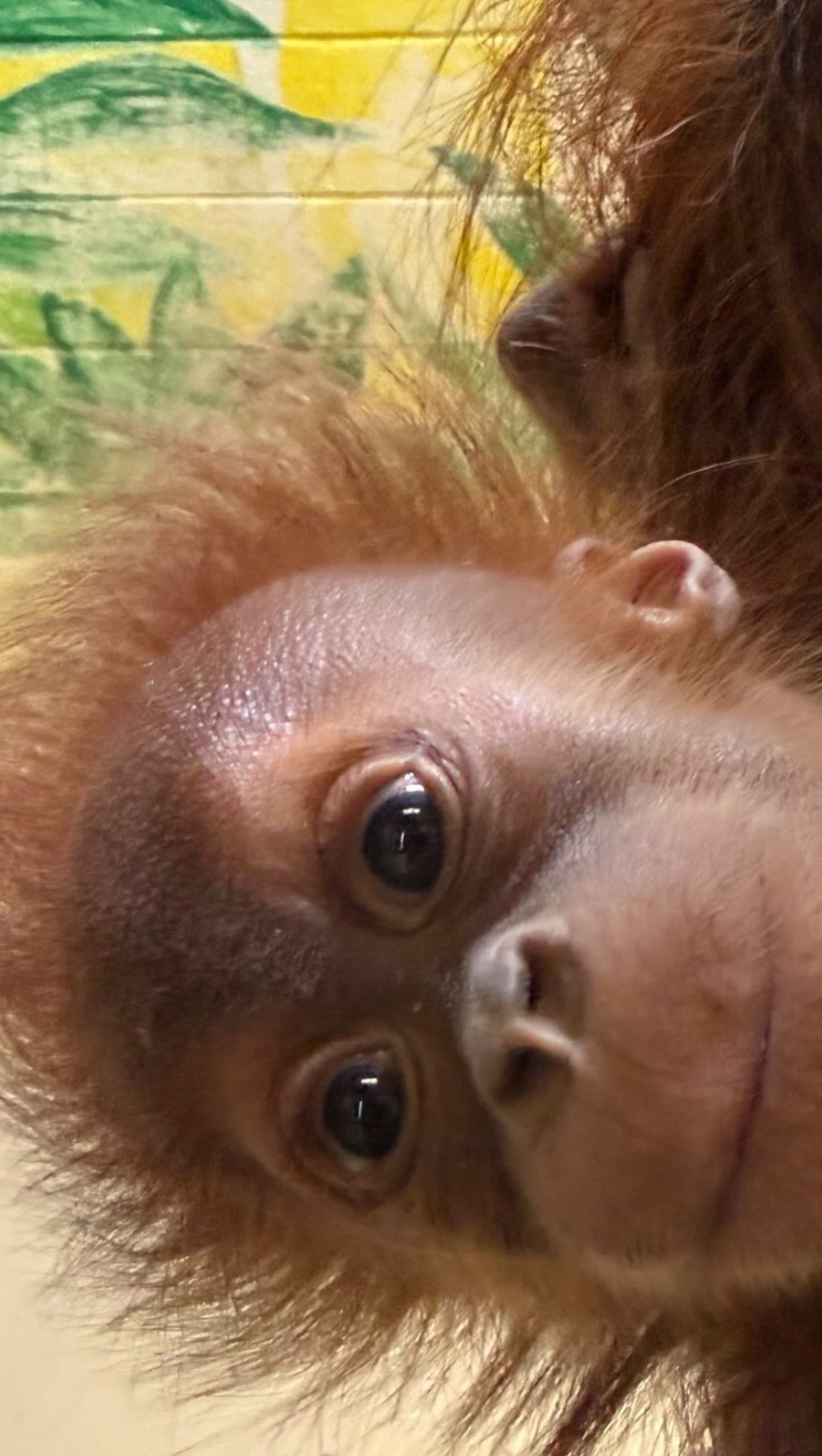
- The significance of developmental milestones in young animals.
- Understanding climbing behaviors in young zoo animals.
- The role of zoo keepers in fostering animal development.
- Insights into the conservation value of nurturing wildlife.
- The importance of social interaction and environment for behavioral growth.
The journey of growth for young animals, such as Ruhana, offers a fascinating glimpse into their developmental milestones. Such milestones are critical as they help gauge physical, cognitive, and social progress in these creatures. Observing a young animal beginning to climb is indicative of several underlying factors, including its physical strength, coordination, and confidence. Animals typically start to explore their environment through climbing, which serves not just as physical exercise but also as a means to acquire necessary survival skills.
Climbing serves various purposes in the animal kingdom. For many species, it provides access to food, facilitates escape from predators, and aids in social bonding through play. Climbing behaviors are often among the first indicators of an animal’s burgeoning independence. For Ruhana, her newfound ability represents a substantial step forward, symbolizing both her physical growth and her readiness to engage more fully with her surroundings.
Closer examination of climbing behaviors in young animals reveals interesting patterns. Climbing requires a combination of strength, balance, and coordination. These factors may vary depending on the species. For instance, climbing primates have distinct adaptations, such as a prehensile tail or flexible limb structure, which facilitate their ability to navigate arboreal environments. Even within a species, individuals may exhibit variations in climbing proficiency, influenced by genetics, environmental conditions, and social interactions.
The role of zoo keepers is integral to the development of young animals like Ruhana. Kkeepers observe and document behaviors, providing valuable insights into the growth of each animal under their care. They create environments conducive to learning and exploration, filled with structures that encourage climbing, jumping, and playing. Enrichment programs, which involve various activities and challenges to stimulate the animal’s senses and instincts, are vital for boosting the developmental trajectory of young zoo animals.
Zoo keepers are educated in animal behavior, nutritional needs, and habitat requirements. They employ strategies to promote physical and mental well-being. These strategies can include introducing climbing structures that mimic natural habitats, thus allowing animals to engage in instinctual behaviors. By ensuring that young animals have ample opportunities for exploration and social interaction, keepers help foster confidence and independence.
Nurturing young wildlife goes beyond the immediate benefits of development. It highlights the importance of conservation efforts aimed at preserving animal species and their habitats. Young animals like Ruhana serve as ambassadors for their species, attracting public interest and inspiring conversations about conservation. Observing their development provides an opportunity to educate visitors about the challenges wildlife faces and the significance of maintaining biodiversity.
Many modern zoos aim to provide safe and enriching environments for their animals. By focusing on education and outreach, these institutions engage the public in conversations about conservation. Visitors can learn about the specific challenges facing species, why certain habitats are threatened, and the steps being taken to mitigate these issues. When young animals are spotted mastering new skills, such as climbing, they capture the hearts of visitors, further solidifying the bond between animals and humans in the context of conservation.
Social interaction also plays a pivotal role in an animal’s development. Young animals often learn vital behaviors through imitation and play with peers or adult animals. In a zoo, such interactions can be facilitated in safe and monitored settings. For example, enclosures may be designed to encourage a natural hierarchy, allowing younger individuals to learn from older, more experienced animals. This social structure is crucial, as many species rely on learned behaviors for survival in the wild.
The socialization process is not limited to physical skills like climbing. It also encompasses communication and social bonding, which are essential for group-living species. How young animals interact can determine their future success within a social structure. Keepers often provide opportunities for playtime and interaction to promote these skills, fostering a balanced psychological state in the animals.
Moreover, the space in which animals live significantly influences their behavior. Naturalistic enclosures that mimic an animal’s native habitat can promote climbing and exploring. For example, various substrates such as rocks, trees, and ropes can be used to create a more enriching environment. Such setups not only enhance physical fitness but also reduce stress and behavioral issues common in captive animals. A well-designed habitat that encourages climbing helps prepare young animals for potential release into the wild or enhances their quality of life in captivity.
Fortunately, climbing is often a skill that animals develop relatively quickly, especially if they are motivated by social interaction or food rewards. Young animals, driven by curiosity and playfulness, often experiment with climbing techniques, learning through trial and error. Their development can be fast-paced, as they build muscle and coordination through exploration. The excitement surrounding Ruhana’s climbing achievement showcases the joy associated with developmental milestones, underscoring the responsibility of zoos to foster such opportunities.
Understanding the larger context of these developments emphasizes the importance of placing value on animal welfare. Zoos today are increasingly focusing on creating humane environments that prioritize both animal well-being and visitor education. Engagement through observation allows the public to connect with wildlife, leading to increased awareness about conservation challenges. As more people witness milestones like Ruhana’s climbing efforts, it may inspire advocacy for wildlife conservation.
The observations made by keepers and visitors alike serve a dual purpose. On one hand, they promote awareness of the species, encouraging stewardship efforts. On the other hand, they offer valuable data to researchers and animal care experts, ensuring that zoological practices evolve alongside scientific discoveries. As practices in zoo management further advance, incorporating new knowledge about animal behavior and welfare will contribute to the development of future generations of wildlife.
In summary, the remarkable achievement of a young animal begins with small milestones, such as climbing. Understanding these moments requires insight into various aspects of animal development, including the roles of keepers, social dynamics, and environmental influences. As we celebrate each milestone, we acknowledge the intertwined lives of animals and humans, united in the shared responsibility of conserving wildlife for generations to come.
*****
Source Description
We have a big Ruhana milestone to share! 👏 The little one was spotted starting to climb! This is another huge step for Ru as she grows more and more confident every day.
🎥 Keeper Audrey
