
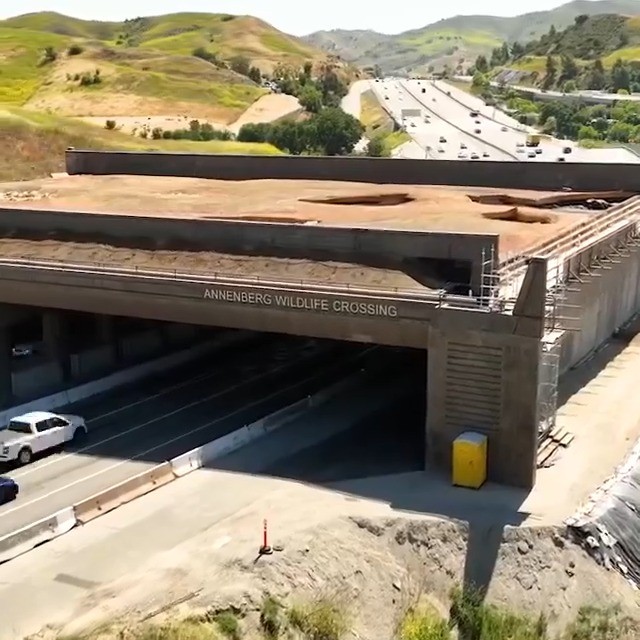
- The importance of wildlife crossings for biodiversity conservation.
- Overview of The Wallis Annenberg Wildlife Crossing and its design.
- The species impacted by the crossing and their habitat needs.
- Community involvement and the role of organizations in wildlife conservation.
- Future implications of the crossing for urban wildlife management and conservation.
The Wallis Annenberg Wildlife Crossing marks a significant advancement in the ongoing struggle to preserve biodiversity in urban settings. This large-scale project, located between the Santa Monica Mountains and the 101 Freeway, aims to facilitate safe wildlife movement across busy roadways. The necessity for such crossings has never been more evident, as increasing urbanization and infrastructure development continuously impede wildlife corridors essential for various species’ survival.
When animals are cut off from their natural habitats, genetic diversity suffers, leading to population decline. Wildlife crossings play a critical role in mitigating these issues. By providing safe passage, they help maintain the genetic viability of animal populations, allowing them to thrive even in human-dominated landscapes. The Wallis Annenberg Wildlife Crossing is a clear demonstration of how human development can coexist with wildlife conservation efforts.
The Wallis Annenberg Wildlife Crossing is designed to be the largest urban wildlife crossing globally, spanning an impressive 200 feet. It will consist of native vegetation, mimicking the surrounding habitat conditions, which is crucial for acclimating wildlife. Such thoughtful design incorporates natural elements, allowing animals to feel secure and comfortable as they cross. Engineers have taken special care to include features like fencing to direct wildlife toward the crossing, reducing the likelihood of accidents. By creating an environmentally-friendly passage, this project addresses both the functional and psychological needs of the animals.
The significance of this crossing extends beyond just mountain lions. While they are often the focus due to their status as an apex predator and emblem of the Santa Monica Mountains ecosystem, many other species will benefit. Deer, bobcats, coyotes, and numerous smaller mammals, birds, and reptiles will also gain safe passage, allowing them to explore new territories for breeding, foraging, and resource acquisition. The availability of connected habitats can improve health and vitality within these populations, reducing human-wildlife conflicts that often lead to tragic outcomes.
Community involvement has been crucial throughout the planning and construction phases of The Wallis Annenberg Wildlife Crossing. Several organizations, including the National Wildlife Federation, have rallied support, bringing attention to the significance of wildlife corridors and public awareness surrounding these issues. Beth Pratt, a prominent advocate for wildlife conservation, has been instrumental in promoting the initiative. Her efforts underscore the importance of creating natural solutions to environmental challenges and encourage residents to appreciate and coexist with their local wildlife.
Innovative conservation strategies, like The Wallis Annenberg Wildlife Crossing, provide clear blueprints for future projects. By bringing about public understanding of the pressing need for biodiversity, community support can be leveraged for similar initiatives statewide. Such projects can make strides toward reducing the need for wildlife rescue operations and contribute to ecosystem balance.
Moreover, the passage will serve educational purposes. The hope is that it will inspire future generations to develop a deeper connection with local wildlife. By fostering this connection, communities can be encouraged to advocate for sustainable practices, benefiting both human and animal populations alike.
This crossing is more than a bridge; it represents a holistic approach to wildlife management. Connecting habitats promotes increased biodiversity and ecological health. Striking a balance between human activity and wildlife needs is essential for California, where urbanization often threatens various species. A multifaceted strategy combining wildlife corridors, public policy, and community engagement is vital for effective wildlife conservation.
As construction progresses toward completion, numerous studies and observations will be essential in assessing the effectiveness of The Wallis Annenberg Wildlife Crossing. Understanding animal usage patterns will provide insights into successful habitat connection, guiding future projects in the state and beyond. This data-driven approach can help refine strategies tailored to specific populations and their behaviors.
Ultimately, The Wallis Annenberg Wildlife Crossing exemplifies the potential for human innovation to support wildlife conservation. Conservation is not merely a reactive measure; it can be proactive, seeking long-term solutions beneficial for ecosystems and urban spaces. Such projects highlight the interrelationship between people and wildlife, emphasizing responsibility for the shared environment.
Through collective efforts, urban wildlife management and conservation strategies can be improved, ensuring a more harmonious coexistence. With initiatives like The Wallis Annenberg Wildlife Crossing, California is pioneering methods that other regions can adopt and adapt. As society navigates the complexities of urbanization, creating opportunities for wildlife is essential for maintaining biodiversity and ensuring the sustainability of ecosystems.
This landmark project stands as a testament to what is possible when communities unite for the common goal of conservation. The Wallis Annenberg Wildlife Crossing offers hope and inspiration, demonstrating that coexistence with wildlife is achievable. Addressing these challenges requires concerted effort, bold vision, and unwavering commitment. As we forge ahead, informed strategies will be key to reversing the trends endangering species and degrading ecosystems.
*****
Source Description
🎉 The Wallis Annenberg Wildlife Crossing has officially entered its final construction phase, bringing it one step closer to becoming the largest urban wildlife crossing on Earth.
🌳 This crossing will reconnect habitats and provide safe passage for mountain lions, deer, bobcats, and other species in the Santa Monica Mountains.
🐱 We celebrate Beth Pratt at @nationalwildlife and everyone involved. While we respond quickly when needed, we hope these measures can be adopted statewide to reduce how often Oakland Zoo has to rescue mountain lions and to help preserve this species. Coexistence with wildlife is vital to maintain California’s biodiversity!
📸 :Caltrans
