
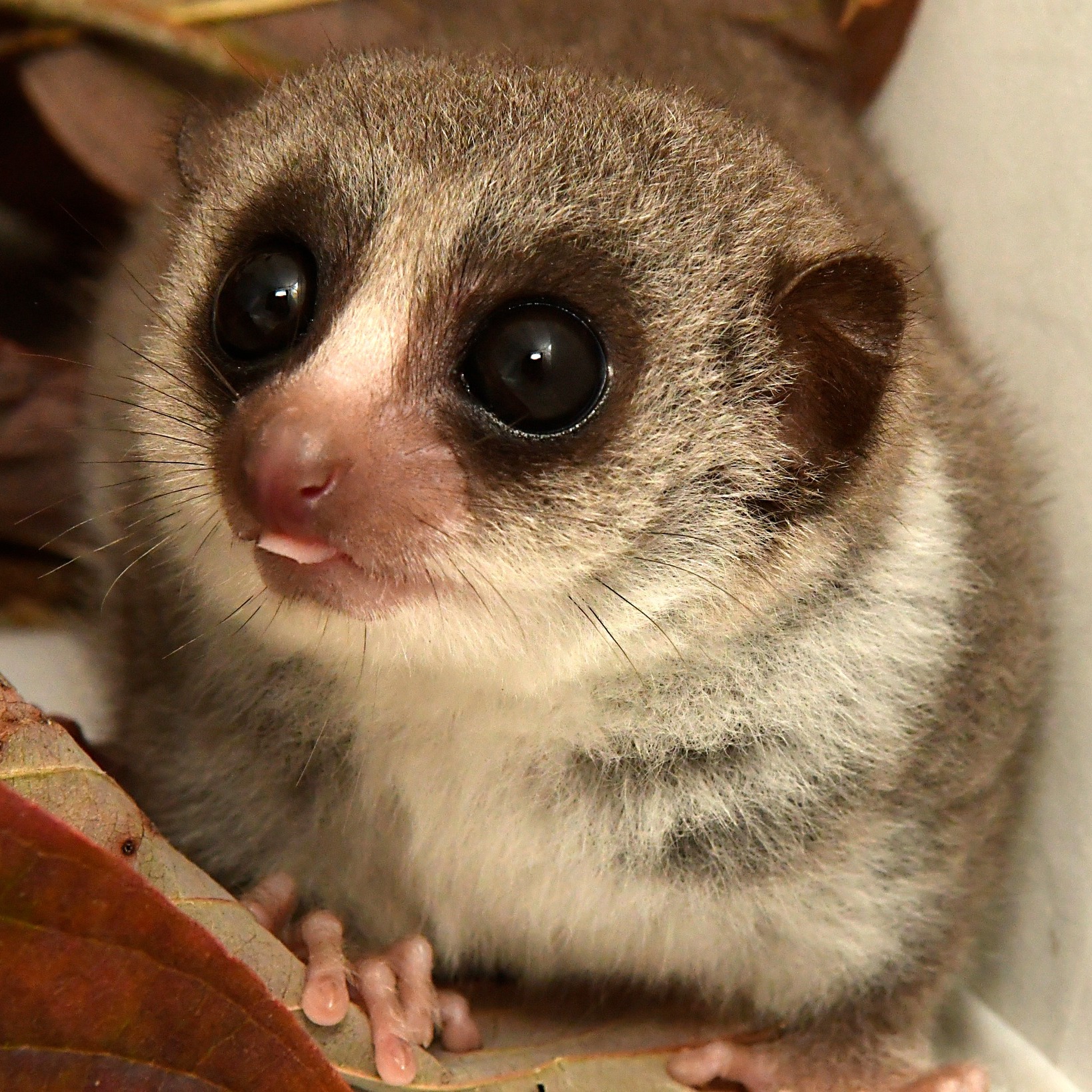
- Overview of the Fat-Tailed Dwarf Lemur and Its Habitat
- Insights into Naming and Adoption Programs at the Duke Lemur Center
- The Importance of Research and Conservation Efforts Linked to Lemurs
- The Personal Connection Between Donors and Alzheimer’s Research
- Individual Development and Behavior of Budgie and Flamingo
The fat-tailed dwarf lemur (Cheirogaleus medius) is a fascinating species native to Madagascar, a biodiversity hotspot. This nocturnal primate has physical adaptations that allow it to thrive in its habitat, including a fat storage system in its tail. This adaptation is vital for surviving periods of food scarcity, particularly during the dry season. The fat-tailed dwarf lemur typically inhabits tropical forests and has a specialized diet that includes fruits, flowers, and insects. Their arboreal lifestyle includes sleeping in tree holes or nests during the day and foraging at night.
The recent birth of Budgie and Flamingo on May 17, 2025, highlights the Duke Lemur Center’s commitment to conservation and breeding programs for these remarkable creatures. First-time mom Phoenix Chicken provides a nurturing environment for her twins, showcasing the natural maternal instincts of lemurs. Naming the twins through the Ultimate Adoption program added a personal touch to their story. Donors Cathy and Dave Higgins, both alumni of Duke University, were moved by the primates’ role in research efforts that could help combat devastating diseases such as Alzheimer’s. Their gift not only symbolically adopts the twins but also significantly contributes to ongoing conservation efforts at the Duke Lemur Center.
The Ultimate Adoption program serves as a vital link between the public and conservation initiatives. By allowing donors to name animals, the program creates emotional ties between people and the lemurs. This connection encourages support for research and conservation. Through their generous $20,000 donation, Cathy and Dave have not only named a pair of lemurs but have also funded essential resources, creating a lasting impact on both animal care and scientific exploration.
Research into lemurs, particularly the gray mouse lemur, has broader implications beyond wildlife conservation. This work has illuminated aspects of human health, especially in understanding conditions such as Alzheimer’s. The parallels between the cognitive functions of lemurs and humans facilitate a deeper understanding of brain diseases. Alzheimer’s affects millions globally, and research initiatives funded by the Duke Lemur Center aim to decipher various elements of this debilitating condition. The connection between lemurs and human health underlines the importance of wildlife research and its potential applications.
Cathy and Dave’s personal experiences with Alzheimer’s have amplified their commitment to this cause. Dave recalls the slow, painful progression his mother, Jean Higgins, underwent due to this illness. This story resonates with many, emphasizing the significance of funding research. Bringing attention to the plight of both the fat-tailed dwarf lemurs and Alzheimer’s research creates a powerful narrative that encourages others to join in the fight against disease.
Budgie and Flamingo’s early development is equally captivating. At just three days old, the twins’ weights were recorded, marking a key milestone in their growth. Caretakers meticulously monitor their health and behavior, ensuring optimal conditions for their development. The twins are still learning to explore their surroundings, making the most of their mother’s protective care. The nest created by Phoenix Chicken, utilizing a recycled Coca-Cola box, highlights the resourcefulness found in the animal kingdom. This behavior mirrors what is often seen in wild habitats, where lemurs adapt their nesting strategies based on available resources.
As these twin lemurs grow, their exploratory behavior will increase. They will learn social cues from their mother and other lemurs, which is crucial for their future interactions. Behavioral studies on the fat-tailed dwarf lemur will provide insights into their social structures and communication methods. Observations made during the twins’ critical early development will significantly contribute to understanding the needs of their species.
Engagement in conservation efforts helps to raise community awareness about the challenges facing lemurs in Madagascar. Habitat loss, climate change, and hunting pose severe threats to these animals, making conservation efforts paramount. The Duke Lemur Center serves as a breeding and research institution focused on the preservation of lemurs, providing educational outreach to the public. As Budgie and Flamingo grow, they become ambassadors for their species, drawing attention to the necessity for conservation efforts.
Photographs of the twins, taken by skilled photographers such as David Haring, illustrate their developing personalities. Images of them peeking out of their nest and curiously exploring their enclosure serve to humanize these shyer creatures. These visuals not only captivate audiences but also foster a sense of responsibility towards wildlife conservation. Engaging the public through social media and educational platforms enhances awareness about both the challenges and successes within the conservation sphere.
In summary, the story of Budgie and Flamingo remains essential for understanding broader conservation goals. The Duke Lemur Center’s effective adoption programs reinforce community involvement while linking personal stories to meaningful research. By highlighting the connection between wildlife, personal experiences, and scientific study, the Duke Lemur Center plays a pivotal role in fostering a more profound appreciation for the fat-tailed dwarf lemur and the issues surrounding its survival. The narrative captures not only the life of two adorable twins but also the continued struggle for preservation and understanding of our natural world.
*****
Source Description
The final infants of our 2025 Baby Season are taking flight… Meet fat-tailed dwarf lemurs Budgie and Flamingo! 🦜🦩
➡️ lemur.duke.edu/budgie-flamingo
Born on May 17, 2025, to first-time mom Phoenix Chicken, Budgie (female) and Flamingo (male) were named through our Ultimate Adoption program by donors Cathy (Duke ’82) and Dave Higgins. The couple were moved to make a generous donation to the Duke Lemur Center when they learned about our non-invasive research program—specifically research with gray mouse lemurs that has helped shed light on devastating human diseases like Alzheimer’s 💙
“Both of us have had close family members suffer from Alzheimer’s,” explains Dave. “I witnessed the slow and cruel progression of this terrible disease up close, as my beloved mother Jean Higgins spent the final years of her life spiraling away from us.”
While there weren’t any gray mouse lemur infants born this year, Cathy and Dave were still excited to name a pair of small nocturnal twins. In addition to donating $20,000 to symbolically adopt the pair of fat-tailed dwarf lemur twins, they generously contributed to the DLC’s Alzheimer’s/cognition research with the mouse lemurs and helped the veterinary department purchase a new ultrasound machine ☺️
Read more about these tiny twins (and see more adorable photos!) at lemur.duke.edu/budgie-flamingo ✨
📸: David Haring (1 – Budgie, 2 -Flamingo); Madison A. (3 – twins peeking out of their nest, which mom built out of a recycled Coca Cola box, 5 – one of the twins curiously exploring their enclosure); Megan C. (4 – first infant weighing at 3 days old)
