
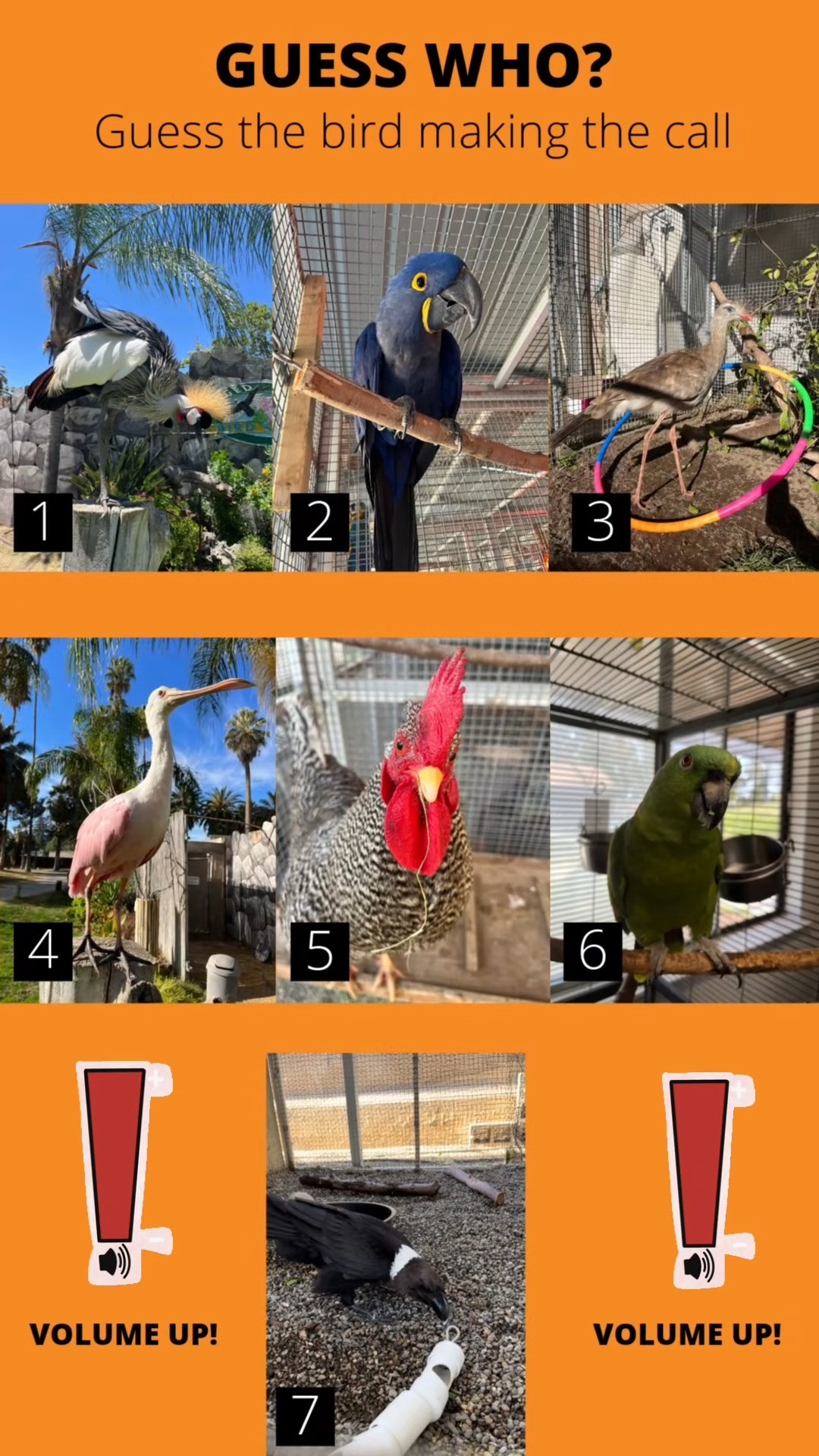
- Overview of the final round of frequent zoo-comers quiz.
- The significance of bird calls in the zoo experience.
- Key species featured in the quiz and their unique calls.
- Role of zoos in conservation and education.
- Visitor engagement strategies in modern zoos.
The final round of the frequent zoo-comers quiz often challenges visitors to recognize bird calls they’ve likely encountered during their visits. This engaging activity highlights the complexity and diversity of avian acoustics. It’s not just about identifying the bird but also understanding the rich tapestry of sounds that contribute to the zoo experience.
Bird calls are integral to any zoo visit, forming an auditory landscape that enhances the immersion experience. Many visitors have heard these calls but may not be familiar with the species behind them. Recognizing bird calls is not only an engaging activity but also an educational opportunity that deepens visitors’ connection to wildlife.
Several key species are often featured in these quizzes due to their distinct and recognizable calls. For instance, the kookaburra’s laugh-like call is a favorite among zoo-goers. These birds, native to Australia, use their calls to establish territory and communicate with family groups. Similarly, the haunting call of the bald eagle, America’s national bird, is another iconic sound that captivates zoo visitors. Although it sounds somewhat different than people often expect, its call is a primary communication method, especially during mating season.
Flamingos, with their varied vocalizations, are another group showcased in these quizzes. Their calls range from honks and grunts to a low murmuring sound, all of which play a role in social interactions and colony cohesion. Understanding these calls offers insight into their behaviors, such as nesting and feeding.
Zoos serve a vital function in conservation and education. As wildlife populations face increasing pressures from habitat loss and climate change, zoos provide refuges where species can survive and breed. They also educate the public about biodiversity and conservation efforts through engaging programs like bird call quizzes. By fostering a deeper appreciation and understanding of wildlife, zoos contribute to global conservation goals.
Modern zoos employ several visitor engagement strategies to enhance educational outcomes. Interactive activities, such as quizzes, are highly effective, encouraging active learning and participation. Zoos also utilize technology, including apps and social media, to provide real-time information and enhance visitor experiences. These tools help to demystify the lives of animals and provide accessible information that visitors can take home, reinforcing learning and advocacy.
Visitor engagement doesn’t stop at bird calls. Many zoos offer educational talks, guided tours, and interactive exhibits that spotlight both well-known and obscure species. By innovatively integrating these features, zoos balance entertainment with education, crucial for cultivating a conservation-conscious public.
Zoos are more than just a collection of animals; they are centers of learning and conservation. By presenting activities like the frequent zoo-comers quiz, they encourage visitors to look a little closer and listen a little more carefully, fostering a relationship with wildlife that extends beyond the zoo gates. Through these experiences, zoos inspire the next generation of conservationists and enrich the understanding of our planet’s biodiversity.
*****
Source Description
Final round of Frequent Zoo-comers have definitely heard this call during their visits…whether you know what bird it actually is, is to be determined! 🐦 🔊
