
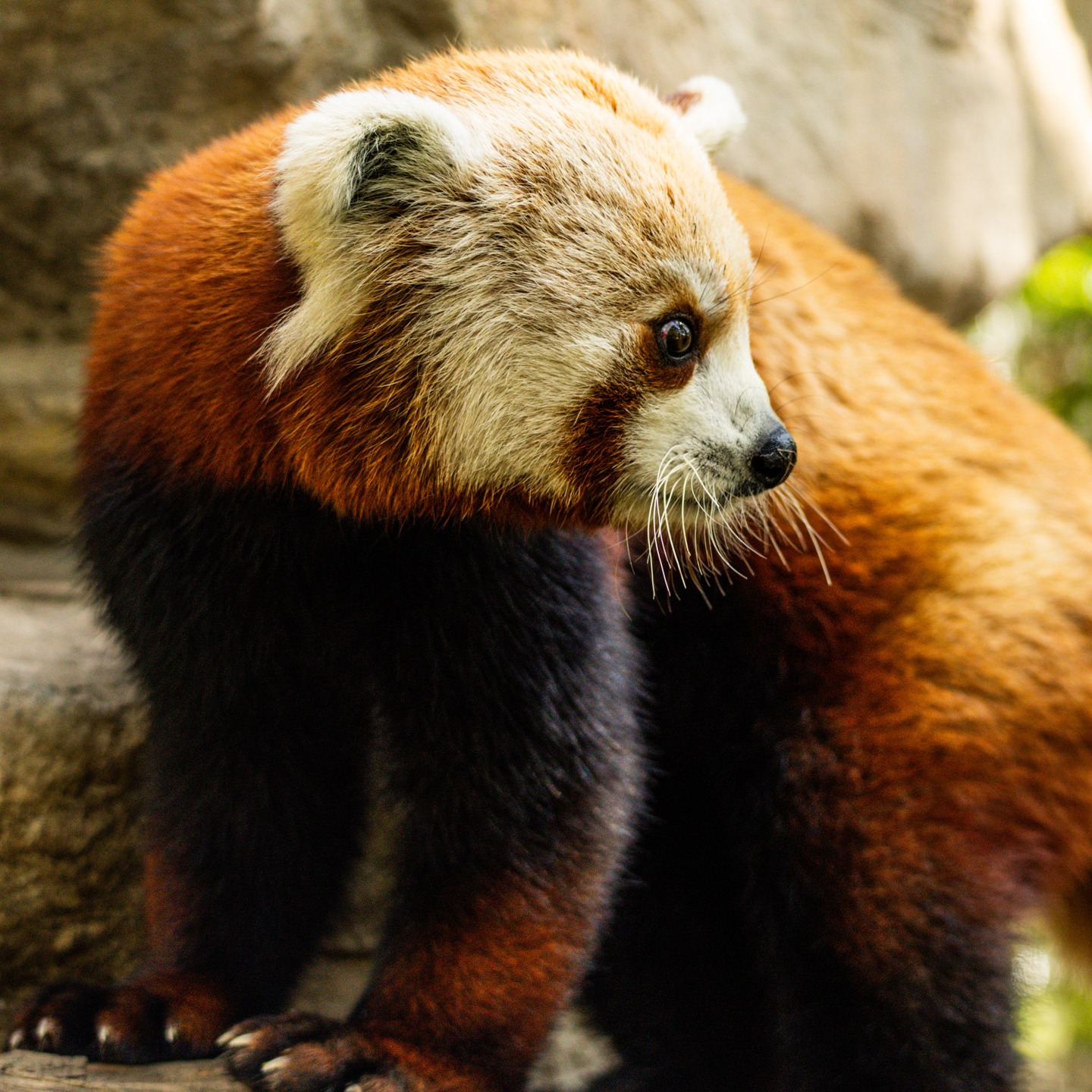
- The unique behavior of red pandas and their feeding habits, focusing on Ruby the red panda.
- The importance of habitat management and dietary considerations in zoo environments.
- The role of zookeepers, like Keeper Joe, in wildlife conservation and animal care.
- Conservation efforts and challenges facing red pandas in natural and controlled environments.
- The impact of public engagement and education on wildlife conservation.
Ruby the red panda resides in a habitat designed to mimic the natural surroundings of her species. Her behavior, especially her expression when she spots Keeper Joe bringing her favorite meal—fresh bamboo—is both endearing and significant. This simple moment captures the essence of animal care and management within zoological settings, highlighting the intricate balance between meeting dietary needs and fostering natural behaviors.
Red pandas, native to the Himalayas and China, are known for their specialized diet. Despite being classified as carnivores, their primary food source is bamboo. Their digestive systems are not as efficient as herbivores, however, leading to a necessity for high-quality feeding management in captivity. Observing Ruby’s enthusiastic response when she sees fresh bamboo underscores the importance of a tailored dietary plan.
Providing proper nutrition in captivity is essential. Zoos must ensure a steady supply of fresh and appropriate bamboo. In Ruby’s case, zookeepers like Joe play a crucial role, not only in providing food but also monitoring her health and behavior. By understanding each animal’s unique needs, they ensure the animals thrive, adapting their care to different circumstances.
Zoo environments, while not a replacement for wild habitats, play a crucial role in wildlife conservation. Managing a habitat involves creating conditions that allow animals like Ruby to live healthily and express natural behaviors. This includes environmental enrichments tailored to stimulate an animal’s instincts and social interactions. Red pandas are solitary by nature, but they also engage in activities like climbing and exploring. These behaviors are encouraged through well-designed enclosures that mimic the complexity of their natural habitat.
The role of zookeepers extends beyond basic care; they are vital in educational outreach and conservation initiatives. Keeper Joe, for instance, serves as an ambassador, educating visitors about the specific needs and challenges of red pandas. Through interactions and informative sessions, he raises awareness about the threats these animals face, including habitat loss and poaching.
Conservation challenges for red pandas are significant. The wild populations are diminishing due to deforestation and fragmentation of their habitats. This makes the work done in zoos even more critical. Conservation programs often link zoo efforts with in-situ projects, aiming to protect habitats and reintroduce healthy individuals into the wild.
Public engagement is a powerful tool in conservation efforts. People like Ruby the red panda play a starring role in capturing the public’s interest and fostering a connection to wildlife. Through education and firsthand experiences, zoos influence public perception and support for conservation initiatives. Raising awareness about endangered species encourages collective responsibility for animal welfare and biodiversity preservation.
Ruby’s reaction to her meal is more than a charming anecdote. It exemplifies the complex interplay of behavior, diet, and environment in captive care. By focusing on the needs of individual animals, zoos play a pivotal role in broader conservation strategies. Keeper Joe’s dedication illustrates the profound impact humans can have on preserving the intricate tapestry of biodiversity.
The continuing work in zoo environments enriches our understanding of animal behavior and habitat requirements. By comparing captive and wild populations, researchers can gain insights into the adaptability and resilience of species like the red panda. This knowledge supports the development of effective conservation strategies, aimed at ensuring the survival of species amid environmental changes.
Ruby’s story is a testament to the dedication required to maintain animal welfare and promote conservation. It highlights how a focus on the individual needs of animals leads to positive outcomes both in captivity and in the wild. The involvement of the public, through both education and direct engagement, can shift perceptions and foster a supportive environment for conservation efforts.
*****
Source Description
The face you make when you spot the waiter bringing your meal to the table: 🤤👀
(This is actually the face Ruby the red panda makes when she sees Keeper Joe bringing out fresh bamboo!)
Alt-text: A profile photo of Ruby the red panda and her intense focus on her favorite food being brought into her habitat out of frame to the right.
