
- Fiona’s story and its impact on public awareness of hippos.
- Cincinnati Zoo’s hippo conservation efforts and partnerships.
- The biology and behavior of hippos.
- The challenges of hippo conservation and habitat preservation.
- The role of zoos in wildlife conservation and education.
Fiona’s story has captured the hearts of many, sparking significant interest and awareness about hippopotamuses. Born at the Cincinnati Zoo in 2017, Fiona, a Nile hippopotamus, faced premature birth challenges. Weighing just 29 pounds, much lighter than typical hippo calves, her survival was uncertain. However, with dedicated care, she not only survived but thrived, becoming an ambassador for her species. Fiona’s journey has been shared widely, bringing attention to the plight of hippos in the wild. Her story emphasizes the power of conservation messages delivered through relatable and engaging narratives.
The Cincinnati Zoo plays a crucial role in conservation efforts, partnering with organizations like the Uganda Conservation Foundation. This collaboration focuses on combating hippo poaching and illegal fishing, threats that severely impact hippo populations and their habitats. These destructive activities not only endanger hippos but also disrupt entire ecosystems. Through education, resource provision, and community engagement, such partnerships strive to protect these majestic animals and their environment. The Cincinnati Zoo’s involvement highlights the importance of global cooperation in conservation initiatives.
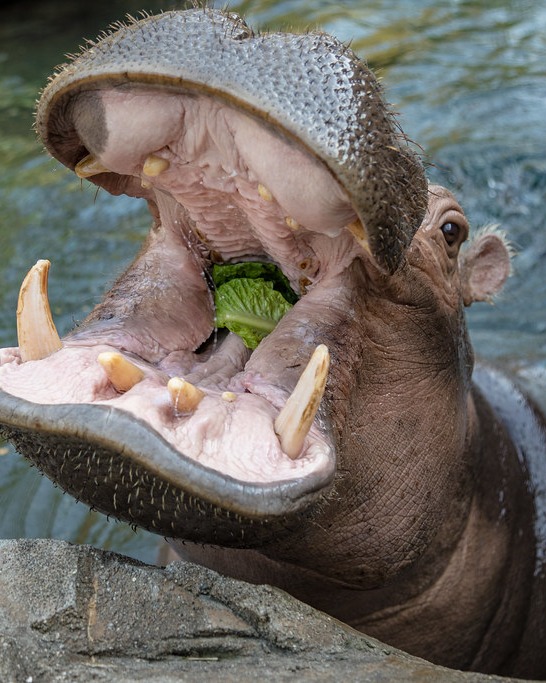
Hippos, scientifically known as Hippopotamus amphibius, are fascinating creatures. They are the third-largest land mammals, following elephants and white rhinos. Typically inhabiting rivers and lakes across sub-Saharan Africa, they play a vital role in their ecosystems. Hippos influence water quality and vegetation patterns through their unique behaviors. Despite their semi-aquatic nature, they spend much of the day submerged, emerging at night to graze on grasses. Their physical adaptations, such as large mouths and sharp tusks, allow them to thrive in these environments, yet they remain highly vulnerable to human activities.
Conserving hippos poses numerous challenges. Habitat loss due to agricultural expansion, urban development, and climate change continues to threaten their survival. Additionally, poaching for meat and ivory-like teeth endangers their populations. Conservationists face the daunting task of balancing human needs with wildlife preservation. Efforts include creating protected areas, promoting sustainable land-use practices, and raising awareness about the ecological importance of hippos. Addressing illegal activities requires both law enforcement and community support, emphasizing the need for holistic strategies in conservation.
Zoos play an indispensable role in wildlife conservation and education. They provide a sanctuary for endangered species, foster research, and raise public consciousness about biodiversity. By supporting breeding programs and maintaining genetic diversity, zoos contribute to the long-term survival of species like the hippo. Educational programs and exhibits inspire visitors, fostering a deeper understanding and appreciation of wildlife. The impact of a single animal, such as Fiona, illustrates how zoos can bridge the gap between people and conservation efforts, motivating action and support for global initiatives.
*****
Source Description
Fiona has raised awareness & interest in hippos! The Cincinnati Zoo supports hippo conservation efforts by partnering with the Uganda Conservation Foundation who combats hippo poaching & illegal fishing that destroys hippos’ habitats.
