
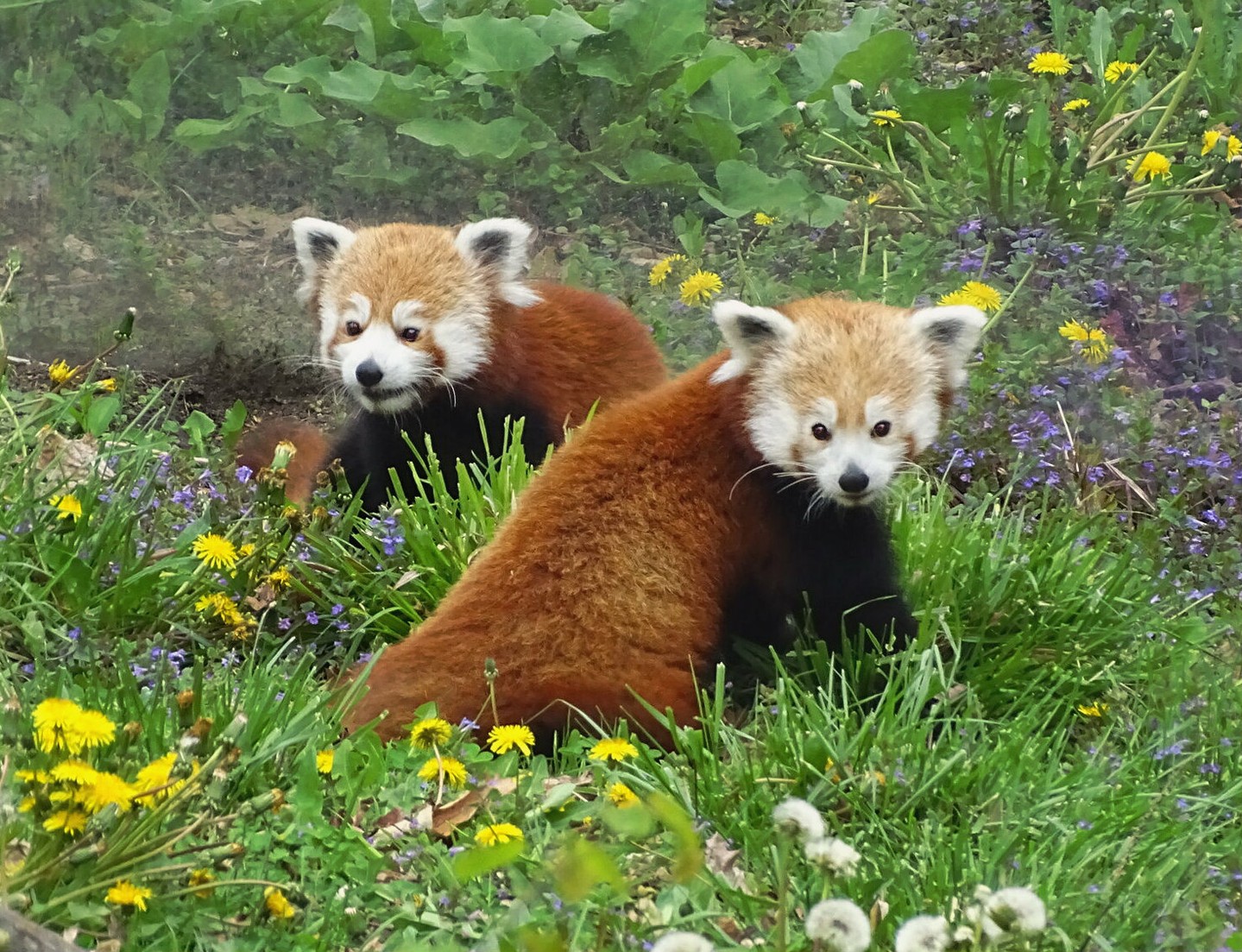
- Fond farewells and emotional connections with Patti and Ponya
- The significance of red pandas in conservation efforts
- Transfer and relocation of red pandas to different zoos
- The role of the Red Panda Species Survival Plan
- Continued opportunities for public engagement with red pandas
The recent farewell to Patti and Ponya, the beloved red panda twins from the Detroit Zoo, encapsulates both emotions and the science of wildlife conservation. Departing for new homes, Patti has taken her journey to the Akron Zoo in Ohio, while Ponya is now at the Beardsley Zoo in Connecticut. Their transitions mark significant milestones, not just for the animals but for the conservation community that follows their journeys closely.
Patti and Ponya’s playful antics have delighted visitors and staff alike, creating a bond that goes beyond mere observation. Many visitors have come to appreciate their quirky behaviors and social interactions, leading to a deeper understanding of red pandas. Such emotional connections with wildlife are crucial for fostering a sense of responsibility among zoo-goers. It encourages them to engage in conservation efforts beyond the zoo experience.
Red pandas, classified as endangered, play a pivotal role in their ecosystems as seed dispersers and indicators of forest health. By protecting them, we also safeguard the integrity of their habitats, ultimately benefiting numerous other species within the same ecological niche. The ongoing effort to raise awareness about the threats red pandas face, such as habitat loss and poaching, highlights the need for focused conservation initiatives.
Patti and Ponya’s relocations are backed by the Red Panda Species Survival Plan, designed to maintain a genetically diverse population in captivity. This program is a coordinated effort among zoos across North America to track red panda lineage and ensure the continuation of diverse genetic material. By transferring these animals, the program aims to optimize breeding opportunities, allowing for the strengthening of their gene pool. This step is integral to maintaining a healthy population that can also serve scientific research and education.
In the wild, red panda cubs grow independent from their parents after approximately a year. This natural lifecycle involves a gradual departure from parental care, making Patti and Ponya’s transfers a standard part of their maturation process. While Ginger and Ravi, their parents, remain at the Holtzman Wildlife Foundation Red Panda Forest, the twins’ journey illustrates the complex phase of growth and independence that is critical for young animals.
The public can still engage with red pandas at the Holtzman Wildlife Foundation. Ginger and Ravi remain local favorites. Their continued presence allows visitors the chance to learn about red panda behavior, habitat, and the challenges they encounter in the wild. Additionally, caregivers share anecdotes and knowledge, enhancing educational programs centered around these fascinating creatures.
Moreover, the transfers serve as a vital part of a larger network aimed at preserving not only red pandas but various threatened species worldwide. Public zoos often collaborate, sharing resources and knowledge in a collective effort that can elevate conservation strategies. Each zoo plays a unique role in conservation, research, and public education.
The work continues far beyond the zoo walls. Every individual within a community can contribute to wildlife conservation, whether through financial support, volunteering, or advocating for policies that protect natural habitats. Understanding that every action has a consequence strengthens a community’s resolve to protect wildlife and their ecosystems.
In sum, the farewell to Patti and Ponya is not just a sentimental goodbye; it is a testament to the importance of scientific community efforts in preserving biodiversity. The emotional investment of zoo-goers transforms into a collective responsibility towards conservation. Each zoo, including the ones where Patti and Ponya now reside, contributes significantly to this mission, providing an informed public that actively participates in securing a future for endangered species.
As we bid farewell to these remarkable red panda twins, we are reminded of our shared responsibility to protect and celebrate animal species. With continued educational outreach and active participation in conservation, we can help ensure that the next generation of visitors continues to form similar bonds with wildlife. In this way, Patti and Ponya’s journey serves as an inspiring example of how connections with animals can spark action toward conservation goals.
*****
Source Description
Fond farewells to Patti & Ponya!
We’re sending lots of love to red panda twins Patti and Ponya, who have officially moved on from the Detroit Zoo.
Patti has joined the Akron Zoo in Ohio, and Ponya is now at the Beardsley Zoo in Connecticut. Their transfers were recommended by the Red Panda Species Survival Plan—a program that helps ensure a healthy, genetically diverse future for red pandas.
While we’ll miss their playful presence, we’re proud to see them take this next step.
In the wild, red panda cubs grow independent from their parents after about a year—so this next step is a natural part of growing up! Ginger and Ravi, their parents, continue to call Holtzman Wildlife Foundation Red Panda Forest home, and you can still visit them here.
📷 Patti Truesdell
