
- The natural behaviors and needs of felines in captivity.
- The importance of scratching trees for physical and mental health.
- The role of enrichment in zoo and wildlife management.
- The implications for wildlife conservation and preserving species.
- Understanding feline anatomy, particularly skin and fur care.
The natural behaviors and needs of felines in captivity highlight the complex requirements of species within zoological environments. Cats, including domestic and large felines, share certain instincts that thrive in the wild. In a controlled setting, providing opportunities for natural behaviors becomes essential. For example, cats naturally engage in scratching, climbing, hunting, and exploring different terrains. These behaviors are not merely for fun; they serve crucial roles in their physical and mental well-being. When an animal, such as Freya, a domestic cat, takes delight in scratching her favorite tree, it is an expression of an ingrained instinct vital for her happiness.
Scratching serves multiple purposes beyond surface-level enjoyment. It allows felines to maintain their claws and stretch their bodies, promoting muscle tone and flexibility. Moreover, it offers a way to mark territory. Cats possess scent glands in their paws, releasing pheromones that signal to other animals their presence. In a zoo or home environment, the absence of natural elements can lead to stress or behavioral issues. Therefore, scratching trees modeled on their wild counterparts become essential components of enrichment.
The importance of scratching trees for physical and mental health cannot be understated. These specialized structures provide not only an outlet for scratching but also benefits that enhance overall quality of life. Scratching trees encourage felines to engage in exercise, preventing obesity and associated health risks. Furthermore, they stimulate mental engagement. The act of scratching is an exploratory task that promotes cognitive function. This interaction mirrors aspects of hunting behavior where animals investigate their environment and respond to stimuli.
Effective zoo and wildlife management considers the role of enrichment activities as a critical aspect of animal care. Enrichment strategies incorporate various physical structures and natural experiences tailored to the species in question. For example, incorporating scratching trees aligns closely with the instinctive behaviors and social needs of felines. Evidence shows that providing a rich environment can reduce stereotypical behaviors—repetitive actions that indicate stress or anxiety. This approach results in more balanced, content animals. Freya’s relationship with her scratching tree exemplifies how a simple addition can significantly enhance her quality of life.
The implications for wildlife conservation extend from understanding individual species’ needs. Conservation efforts often prioritize habitat protection and increasing genetic diversity. However, learning how to replicate natural environments within zoos can lead to better breeding programs and species rehabilitation strategies. For many endangered species, creating spaces where animals can experience their natural instincts—like scratching—encourages natural mating behaviors and enhances the likelihood of successful breeding. By addressing the physical and psychological needs of animals, conservationists can work towards restoring healthy populations in the wild.
Understanding feline anatomy, particularly skin and fur care, also plays a pivotal role in their overall health and happiness. Cats have unique skin structures designed to protect them in the wild. The skin contains layers that serve various functions, such as insulation and protecting against parasites. Regular grooming, which includes scratching, helps remove dead fur and skin cells, promoting healthy fur growth. Moreover, scratching stimulates blood circulation, crucial for skin health.
It is also vital to recognize how inbreeding can impact feline health and behavior, especially in species like the Bengal or the Persian. Poor genetic diversity can lead to an increase in health issues such as skin allergies or coat problems. Ensuring a healthy breeding program where animals’ physical and mental health are prioritized can lead to better outcomes. Regular veterinary care, along with proper habitat enrichment, contributes to a holistic approach to animal care.
Freya’s enjoyment of her scratching tree is not a trivial matter; it touches on larger themes that affect various feline species. The scratching tree serves as a microcosm for understanding the complex needs of wildlife in captivity. Observing her behavior presents an opportunity for educating visitors and young people about responsible animal care and conservation efforts.
Zoo visitors often underappreciate the significance of seemingly simplistic behaviors, like scratching. Educational programs can bridge this knowledge gap, creating awareness about the animals’ experiences and needs. By showcasing the importance of scratching trees for physical health, emotional well-being, and overall enrichment, zoos can inspire a new generation of conservationists. They can foster empathy in visitors who learn to recognize essential animal behaviors.
In summary, Freya’s affinity for her scratching tree acts as a reminder of the fundamental needs of felines in captivity. These branches of understanding include the importance of natural behaviors, the physical and mental health benefits of scratching, the role of enrichment in zoo management, and the significant implications for wildlife conservation. Each of these categories reflects significant aspects of feline physiology and ecology, solidifying the connections between domesticated cats like Freya and their wild counterparts.
The world of zoology and wildlife management continues to evolve as researchers discover more about animal needs. Future endeavors may lead to innovations that enhance the quality of life for animals in captivity while contributing to conservation efforts worldwide. Recognizing that animals in zoos are not simply exhibits, but sentient beings with their own behavioral needs, fosters an ethical approach to animal care. Organizations dedicated to animal welfare must prioritize understanding and meeting these needs.
Freya’s playful scratching illustrates an essential truth: animals are not merely objects of observation. They are individuals with specific requirements for a fulfilling life. Fulfilling those needs requires collaborative efforts from zoologists, animal behaviorists, and wildlife conservation specialists committed to creating environments that simulate the wild as closely as possible.
Educational programs that share insights into animal behavior and habitat needs can cultivate a deeper appreciation for wildlife. Observers become advocates for animal welfare and conservation as they learn about the nuances of non-human lives. Recognizing the delicate balance of nature will empower broader conservation efforts, contributing to the restoration of ecosystems and the protection of endangered species.
Understanding feline behaviors, such as Freya’s fondness for her scratching tree, opens avenues for appreciation, empathy, and action. The quest to aid animals—both in zoos and in the wild—remains a pivotal focus as society evolves. Today’s efforts lay the groundwork for a future where animals thrive through the synthesis of informed zoo management, community engagement, and persistent commitment to conservation.
*****
Source Description
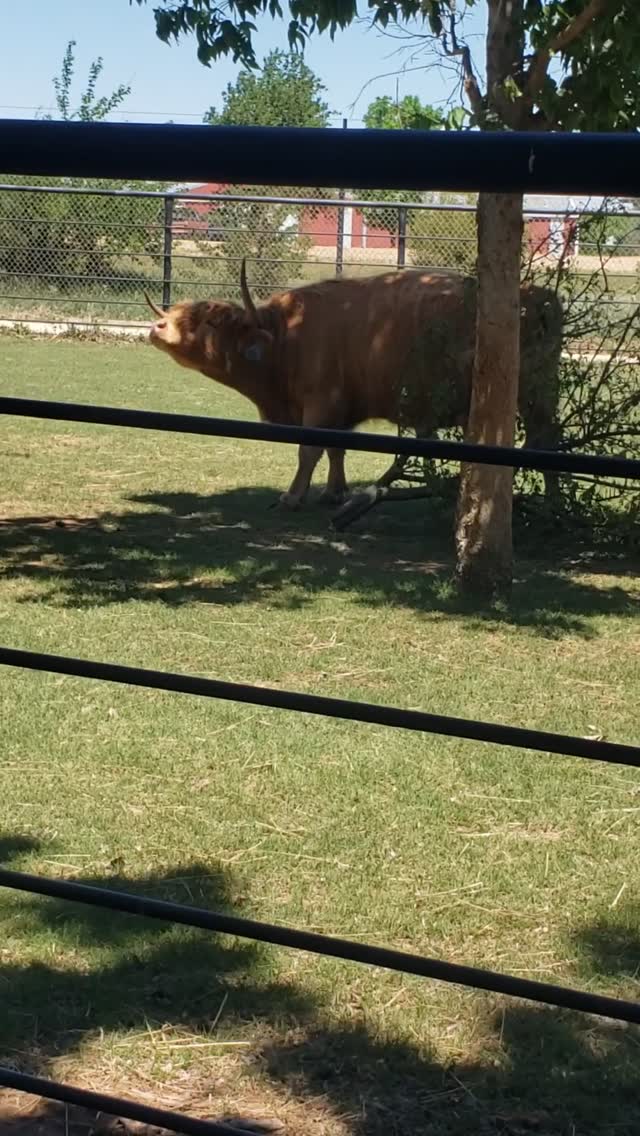
She’s not mooo-dy—just itchy.
Happy from Freya and her favorite scratching tree. 🐄🌳
