
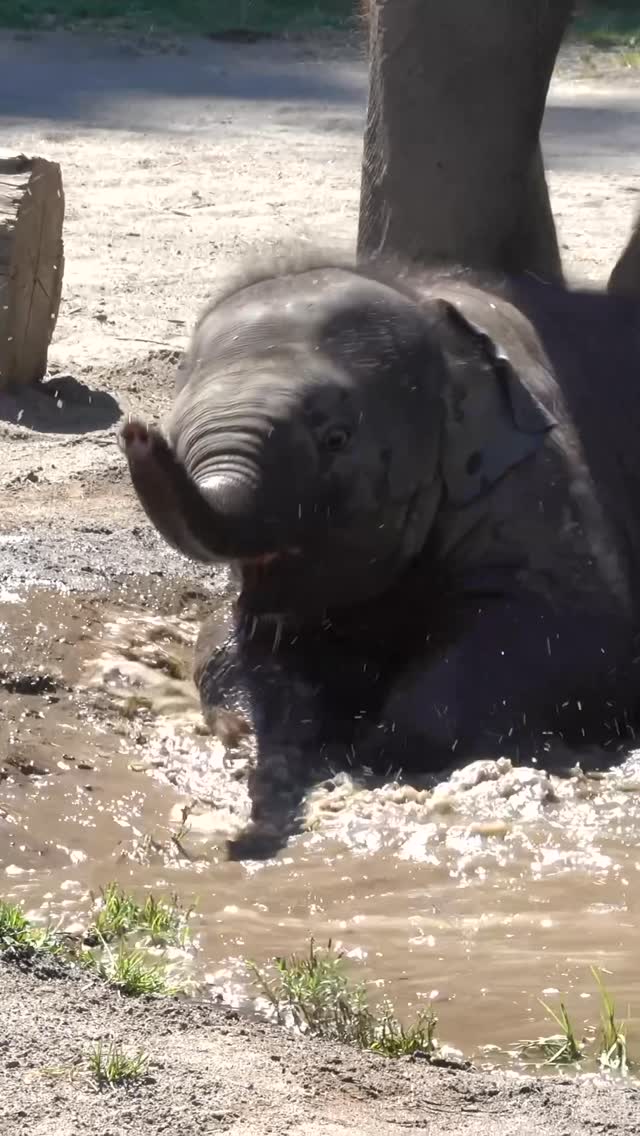
- Understanding the significance of “Splish Splash It’s Tiny Trunk Tuesday” in wildlife education.
- How educational programs enhance zoo visitor experiences and animal welfare.
- The role of elephants in ecosystems and their conservation status.
- Insights into the management of educational wildlife programs.
- The importance of community engagement in wildlife conservation efforts.
“Splish Splash It’s Tiny Trunk Tuesday” is a thoughtful initiative focused on educating the public about elephants and fostering awareness of their conservation needs. Events like this can have profound effects on how visitors perceive wildlife, especially in the educational context offered by zoos and wildlife sanctuaries. These programs provide an opportunity to connect with animals in an engaging and informative manner, enhancing the visitor experience while promoting animal welfare.
The significance of “Splish Splash It’s Tiny Trunk Tuesday” lies in its ability to highlight the delightful interactions between elephants and their caregivers. By showcasing playful activities such as bathing or watering, this event provides an enjoyable way for participants to learn about elephant behavior, biology, and cultivation of a caring disposition towards them. Such informative experiences can stimulate interest in animal preservation and the intricacies of wildlife management.
Educational programs at zoos are meticulously crafted to give visitors knowledge that extends beyond mere entertainment. They feature trained staff members who present engaging narratives about animal life, ranging from the elephants’ social structures to their dietary needs. For instance, it is essential to convey that elephants consume a vast array of vegetation, and their foraging behaviors play a significant role in shaping their habitats. By participating in programs like “Tiny Trunk Tuesday,” visitors come to understand the importance of preserving these gentle giants, whose natural behaviors contribute to vast ecological systems.
Another vital aspect of programs focused on educational enrichment is the influence they have on animal welfare. Elephants, known for their intelligence and emotional complexity, thrive in environments that stimulate their natural behaviors. Engagement in playful activities, such as splashing or the creative use of their trunks, serves as enrichment. Such interactions not only entertain viewers but also benefit the elephants themselves by promoting physical and mental well-being.
The ecological roles that elephants play cannot be overlooked. As megaherbivores, they significantly impact their environments by maintaining the structure of their ecosystems. Their movements help disperse seeds, and their grazing habits can influence the growth patterns of various plant species. This role enhances biodiversity, which is critical in sustaining habitats. Understanding this significance is crucial for visitors during events like “Splish Splash It’s Tiny Trunk Tuesday,” where opportunities to see these animals’ natural behaviors firsthand deepens respect for their environmental contributions.
Management of educational programs like this involves careful planning and a commitment to ongoing training for staff. Zoos must strike a balance between providing memorable experiences for visitors while also prioritizing the well-being of the animals. Staff members undergo training to understand elephant health and behavior, ensuring they can create safe and enriching environments. They might also explore ways to make sessions engaging. Incorporating technology, interactive displays, and hands-on activities can create an immersive learning atmosphere.
Community engagement is fundamental to the success of wildlife conservation efforts. Initiatives like “Tiny Trunk Tuesday” also serve as platforms to educate the wider public about the challenges elephants face, including habitat loss and poaching. When communities become involved, whether through volunteer programs or educational outreach, they develop a sense of stewardship for local wildlife.
The outreach aspect of these educational initiatives can extend beyond the zoo gates. Collaborations with local schools, environmental organizations, and conservation groups can lead to more inclusive efforts. Tailored educational materials can foster understanding at an early age, promoting wildlife advocacy among children and teens. This type of engagement can create a legacy of informed and passionate wildlife advocates, enhancing conservation messaging even further.
Zoos are not only places for entertainment; they are pivotal in advancing wildlife science and education. By hosting events like “Splish Splash It’s Tiny Trunk Tuesday,” zoos can leverage their resources to inform the public about pressing conservation issues. Education programs build knowledge about animal habits, the significance of conservation, and the threats many species face.
Through activities and real-time interactions, people can grasp the importance of maintaining biodiversity. Visitors often leave with a renewed sense of purpose, understanding how their actions affect wildlife. Simple habits, such as responsible consumer choices or advocacy for wildlife-friendly policies, can have significant impacts.
Moreover, the way animals are presented during educational programs can influence visitor perceptions. For elephants, showcasing their playful nature humanizes them, breaking down barriers of fear or misunderstanding. The joy observed during educational demonstrations can spur deeper emotional connections, potentially leading to lasting commitment to conservation initiatives.
Through events like “Splish Splash It’s Tiny Trunk Tuesday,” zoos can successfully engage a wide audience. Families can learn together, strengthening community bonds as they share experiences and knowledge about wildlife. By actively participating, individuals internalize messages that may span beyond the event, creating a more significant impact on wildlife well-being.
In organizing effective programs, zoo management must adhere to ethical guidelines and scientific standards. Continuous evaluation of educational strategies helps refine approaches and improve outcomes. Animal care protocols should align with educational engagement, ensuring that both animals and visitors benefit. This is where the delicate art of zoo management plays a vital role.
The legacy of “Splish Splash It’s Tiny Trunk Tuesday” extends into broader dialogues on wildlife conservation, inviting individuals to explore their relationships with ecosystems. Real-time learning experiences emphasize not just the biology of elephants but also the interconnectedness of all species. Programs like these affirm the need for harmonized relationships between humans and wildlife.
As awareness grows about the challenges elephants face, so too does the urgency for agility in conservation efforts. Programs that integrate education with action encourage a holistic view of preservation. Sustaining enthusiasm for wildlife conservation could very well depend on the success of interactive events like “Tiny Trunk Tuesday.”
In essence, educational initiatives in zoology call for a collaborative approach to enrich both understanding and advocacy. The principles of welfare, management, and community engagement must intertwine to foster a thriving ecosystem where elephants can flourish. The educational environment created through programs like “Splish Splash It’s Tiny Trunk Tuesday” represents one of many vital avenues through which individuals can cultivate meaningful connections to wildlife stewardship.
By stressing the role elephants play in sustaining biodiversity, coupled with actionable insights on conservation, events such as “Splish Splash It’s Tiny Trunk Tuesday” elevate public discourse on environmental responsibility. This rich educational experience serves not only to enhance empathy towards elephants but also galvanizes a movement committed to protecting natural habitats. The journey of teaching others about wildlife potential and resilience continues with every splash, every trunk raised, and every enthusiastic participant willing to embrace their role in preserving these incredible beings.
Investing in wildlife education is more than an act of curiosity. It is a responsible stance on shaping the future of our ecosystems. Programs that celebrate and educate about animals like elephants must be at the forefront of conservation efforts. “Splish Splash It’s Tiny Trunk Tuesday” is a testament to the intersection of joy and learning—a celebration of life in the wild and our commitment to its preservation.
*****
Source Description
splish splash it’s tiny trunk tuesday
