
- The background of Freya, the Great Horned Owl, and her journey to Cosley Zoo
- The differences between Freya and Miles, including physical characteristics and behavioral traits
- The ecological importance of Great Horned Owls and their role in environmental conservation
- The behavior and habits of nocturnal animals, particularly during different seasons
- The importance of animal ambassadors in zoo education and wildlife conservation
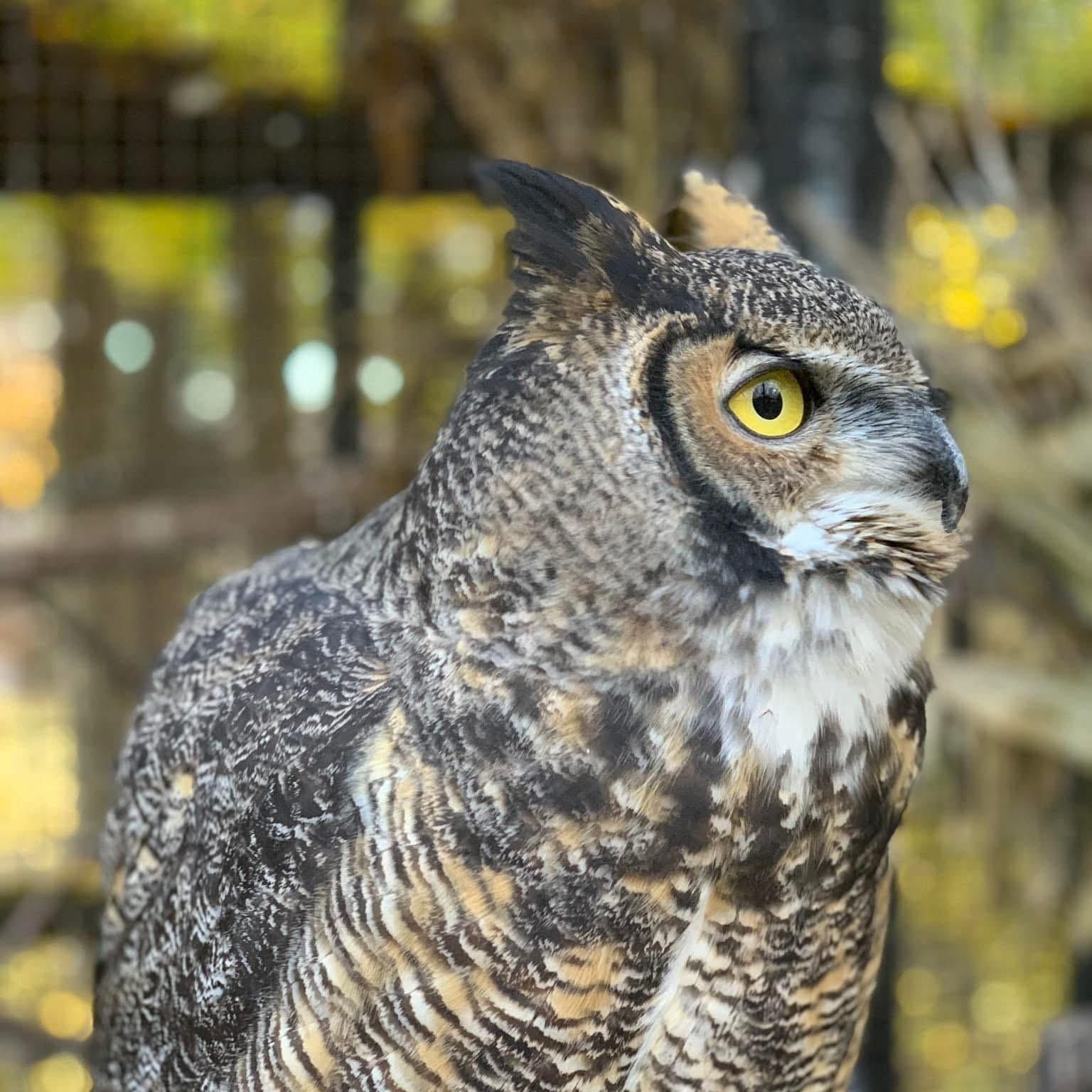
Freya, the Great Horned Owl, made her way to Cosley Zoo in November of 2020. She arrived from a wildlife care center located in Washington. Freya’s story is significant as she had been in human care since a very young age, which led to her being unable to return to the wild, categorized as a non-releasable owl. This situation often occurs with wildlife and underscores the ongoing need for comprehensive rehabilitation and care programs. Freya shares her habitat with Miles, a male Great Horned Owl, and their dynamics enhance the visitor experience at the zoo.
Visitors may notice a distinct difference between Freya and Miles. Freya exhibits darker plumage, while Miles is lighter in color. Our lead zookeeper aptly describes them as, “Miles is the blonde and Freya is the brunette.” This comparison is not just a casual observation; it is representative of the natural color variations that occur within Great Horned Owl populations. These variations can be attributed to their habitat and even the local ecological conditions where they reside.
As nocturnal hunters, both Freya and Miles spend the majority of their day in rest. During the night, however, they become active as they hunt and communicate. Their nocturnal nature aligns with their role in the ecosystem as apex predators. The colder months often bring about changes in behavior for these owls, prompting them to be more vocal and active as they prepare for the winter season. The onset of colder weather drives many wildlife species to alter their habits and behaviors in search of sustenance and accommodation.
Great Horned Owls play an essential role in the ecosystem as they regulate populations of small mammals and other birds. They are highly adaptable and can be found in a wide range of habitats, from forests to urban areas. This versatility positions them as key indicators of environmental health. The presence of Great Horned Owls within a certain area often signifies a balanced ecosystem where prey populations are adequately managed.
Their significance in maintaining the ecological balance cannot be overstated. Freya and Miles serve as ambassadors for their species, offering zoo visitors a chance to learn about these magnificent owls and the vital roles they play in their environments. Educating the public about Great Horned Owls emphasizes the importance of conservation efforts aimed at preserving their habitats.
A critical aspect of wildlife conservation is understanding animal behavior, particularly for nocturnal species like Freya and Miles. The behavioral patterns of owls include a range of adaptations that enable them to thrive at night. Their large eyes, equipped with a high number of rods, enhance their ability to see in low light. This adaptation is crucial for hunting, as it allows them to locate prey even when visibility is poor. Furthermore, their silent flight, facilitated by specialized wing feathers, provides stealth, significantly increasing their hunting success.
Social dynamics also play a role in their behavior. Freya and Miles can often be seen interacting, which provides insights into their social structures. Owls usually display a variety of calls to communicate with each other, and these vocalizations can convey different messages, from territorial claims to mating calls. Visitors often find these interactions fascinating as they observe the owls engaging in behavior that reflects their natural instincts.
Zoos serve as platforms for conservation education, allowing guests to learn about animal behaviors and the importance of protecting wildlife. Freya and Miles not only engage zoo-goers through their striking appearances but also act as a vital connection to broader environmental issues. Ensuring the survival of Great Horned Owls means preserving their habitats and the ecosystems they influence.
The role of animal ambassadors in this conservation education is invaluable. Programs that focus on the plight of certain species, like Great Horned Owls, help raise awareness and inspire action. Educators at Cosley Zoo, through interactions with Freya and Miles, can effectively communicate the challenges faced by wildlife, including habitat loss, poisoning, and hunting.
Greater awareness can drive community involvement in wildlife preservation initiatives and foster a sense of environmental stewardship. Many zoos and wildlife organizations engage with the public through donations or volunteer programs, which can further bolster conservation efforts. Education is not simply about informing; it can empower visitors to become advocates for wildlife conservation.
In the realm of species conservation, the plight of the Great Horned Owl reflects broader environmental concerns. As adaptability is one of their key characteristics, understanding how these owls respond to changing environments sheds light on larger ecological shifts. Climate change, urban development, and other human activities directly affect habitats, pushing many species to the brink of survival. The struggles that Freya and Miles face are not isolated incidents; they highlight challenges that many wildlife populations endure.
Understanding how Great Horned Owls adapt to their environments provides insight into the impacts of these environmental changes. As temperatures drop and wildlife faces increased pressure, examining their behaviors becomes critical. For instance, winters may prompt a shift in diet or changes in territory establishment as these owls search for food sources.
Monitoring the behavioral patterns of Great Horned Owls contributes valuable data to the field of wildlife management. This research informs conservation strategies, guiding how resources are allocated to ensure these species are protected. These initiatives hinge not only on understanding the present state of wildlife populations but also predicting future trends based on current observations.
The relationship between Freya, Miles, and their human caretakers at Cosley Zoo exemplifies the commitment to wildlife care and conservation. Zookeepers dedicate themselves to providing optimal environments that replicate natural habitats as closely as possible while ensuring the health and wellbeing of the animals in their care. Maintaining a balanced environment allows for the true nature of these creatures to shine through, captivating guests during their visits.
As ambassadors, Freya and Miles bridge the gap between the natural world and urban inhabitants. They provide a unique opportunity for individuals to observe and learn about Great Horned Owls in a controlled, safe setting. The educational programs surrounding them emphasize respect for all wildlife and the habitats they rely on.
Freya’s arrival at Cosley Zoo represents more than just the addition of another animal; it symbolizes ongoing conservation efforts aimed at educating the public. By engaging with these majestic owls, visitors gain an appreciation for their roles in the environment, fostering a deeper understanding and respect for nature as a whole. Awareness and education can become the catalysts for change, inspiring guests to advocate for wildlife preservation.
In sum, Freya, the Great Horned Owl, has found her place within the educational framework of Cosley Zoo. By sharing her space with Miles, she contributes to the ongoing narrative of wildlife conservation and the significance of animal ambassadors. Observing the unique characteristics and behaviors of both owls encourages a connection with nature, reminding us all of our responsibility to protect and preserve the vital ecosystems that support such remarkable species. When visiting, make sure to stop by and greet Freya and Miles, and take a moment to reflect on the indispensable roles they play in sustaining environmental health.
*****
Source Description
Freya, the Great Horned Owl, came to Cosley Zoo in November of 2020 from a wildlife care center in Washington. She had been in human care from a very young age and was deemed non-releasable. Freya shares her habitat with Miles our male Great Horned Owl. If you compare the two while visiting the zoo, Freya has darker colors than Miles. Our lead zookeeper likes to say, “Miles is the blonde and Freya is the brunette”.
As nocturnal animals, Miles and Freya spend most of their days resting. As the weather gets colder, they can become more active and vocal as they prepare for winter. Freya and Miles are both ambassadors for their species, allowing guests to learn how important they are for the ecosystem. Be sure to stop by the zoo and say hi to Freya and Miles!
