
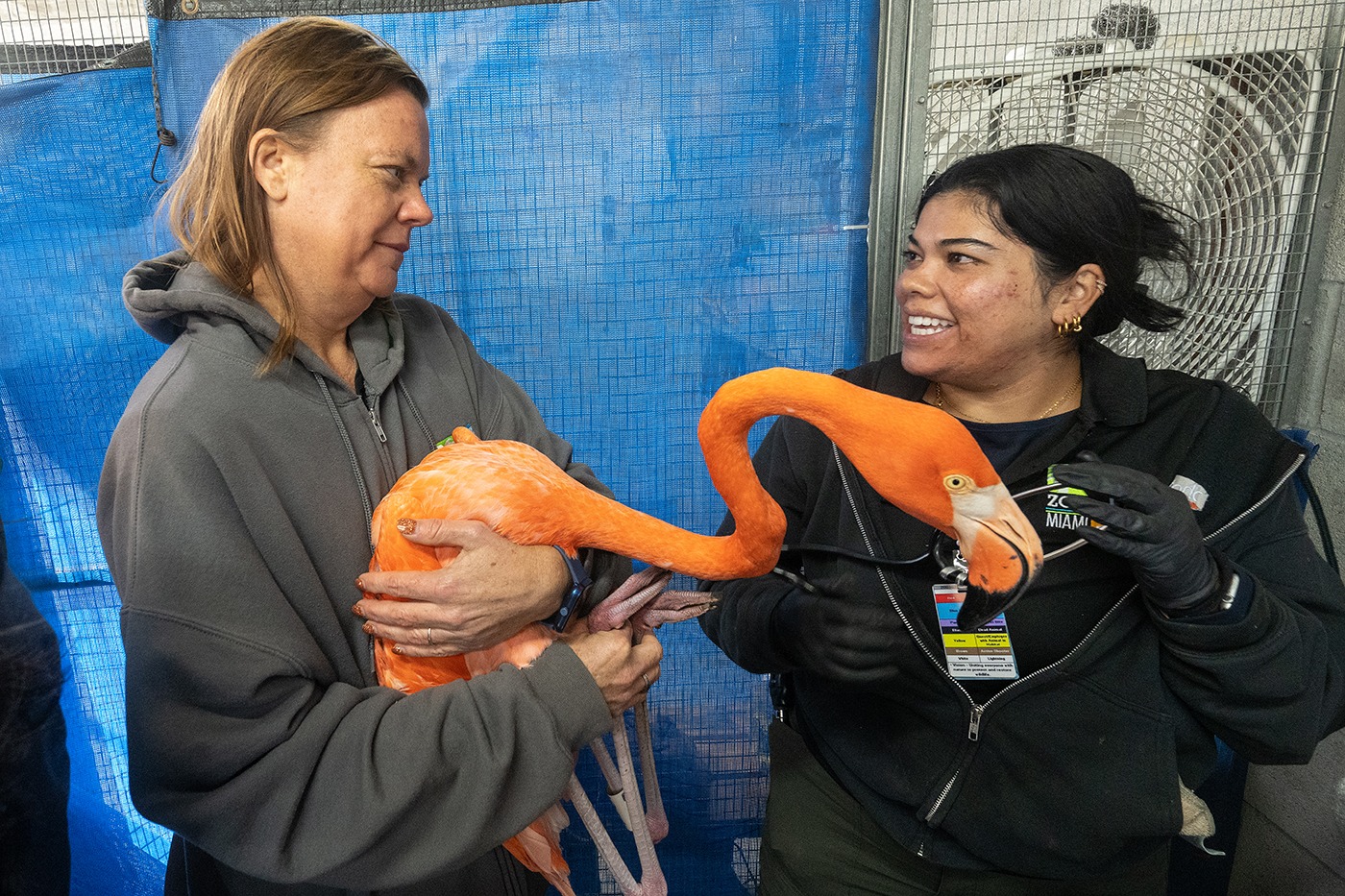
- Importance of annual wellness exams for Caribbean flamingos at Zoo Miami.
- Role of the Animal Health team in conducting examinations.
- Specific health checks and preventive measures taken.
- Identifying and managing potential health issues in zoo animals.
- Contribution of these exams to zoo animal welfare and conservation.
Zoo Miami’s recent annual wellness exams for their Caribbean flamingos highlight a critical aspect of zoo management. The procedure involved a well-coordinated effort to assess and maintain the health of the zoo’s 34 flamingos, emphasizing the ongoing necessity for preventative care in wildlife conservation.
The Animal Health team’s role was vital as they established a temporary clinic adjacent to the flamingo habitat. Dr. Nicholas Buscaglia and his fellow veterinarians worked alongside Animal Science and Health teams to provide comprehensive medical attention. This collaboration underscores the importance of expertise and teamwork in managing the health of zoo animals, especially those, like flamingos, living in controlled environments.
During the exams, each flamingo was carefully assessed. Veterinarians recorded individual weights, checked body conditions, and collected blood samples. Attention to the feet was paramount, given flamingos’ susceptibility to foot problems due to their unique physiology and habitat needs. The preventive care included vaccines against the West Nile virus, a crucial step given the susceptibility of birds to mosquito-borne illnesses. Specific flamingos underwent radiographs and ultrasounds to diagnose any underlying conditions that might not be immediately visible but could impact long-term health.
Identifying potential health issues early is vital. Many wild animals, including flamingos, tend to hide symptoms of illness until it’s advanced. Regular preventive exams help in detecting these issues in preliminary stages, significantly improving the outcomes and life quality of the animals. This proactive approach can prevent severe health complications, offering insights into the role of prevention in wildlife care.
Overall, these exams form a foundation for a larger preventative medicine program within the zoo. They serve as a model for how zoos worldwide can enhance the welfare and longevity of their animal populations. Moreover, this practice supports the educational mission of zoos, providing insights into the health management of species, and fostering a connection with conservation efforts.
Zoo Miami’s commitment to such detailed wellness checks not only reflects a dedication to the animals’ immediate welfare but also aligns with broader conservation goals, ensuring that future generations can continue to appreciate these majestic creatures in a safe and healthy environment. Through these efforts, zoo animals like the Caribbean flamingos can thrive, contributing to biodiversity and public education on wildlife conservation.
*****
Source Description
Yesterday, Zoo Miami’s flock of thirty-four Caribbean flamingos were rounded up on their habitat so that they could each receive their annual wellness exams. 🦩
The Animal Health team set up a mobile clinic alongside a specially constructed corral area adjacent to the habitat. Each flamingo was brought in to be checked by Zoo Miami Associate veterinarians Dr. Nicholas Buscaglia, Dr. Marisa Bezjian, Dr. Gaby Flacke, and Dr. Megan Freeman, with assistance from the Animal Science and Animal Health teams. 🩺
Examinations included getting individual weights, collecting blood samples, and checking the overall body condition with special attention to the feet which can be susceptible to certain issues. In addition, each flamingo was vaccinated against West Nile virus. Some also received radiographs and ultrasound examinations.
Other than some minor eye issues commonly associated with advanced age and some foot issues that will be carefully monitored and treated as indicated, all the flamingos appeared to be in good condition and were successfully returned to the habitat following the procedure.
These exams are part of an important preventative medicine program designed to identify any potential health issues within the zoo’s population. Because they are wild animals, they oftentimes will disguise any symptoms of disease or illness until the progression is advanced. By being able to identify any potential issues during early stages through preventative exams, lives can and have been saved.
📷 Ron Magill
