
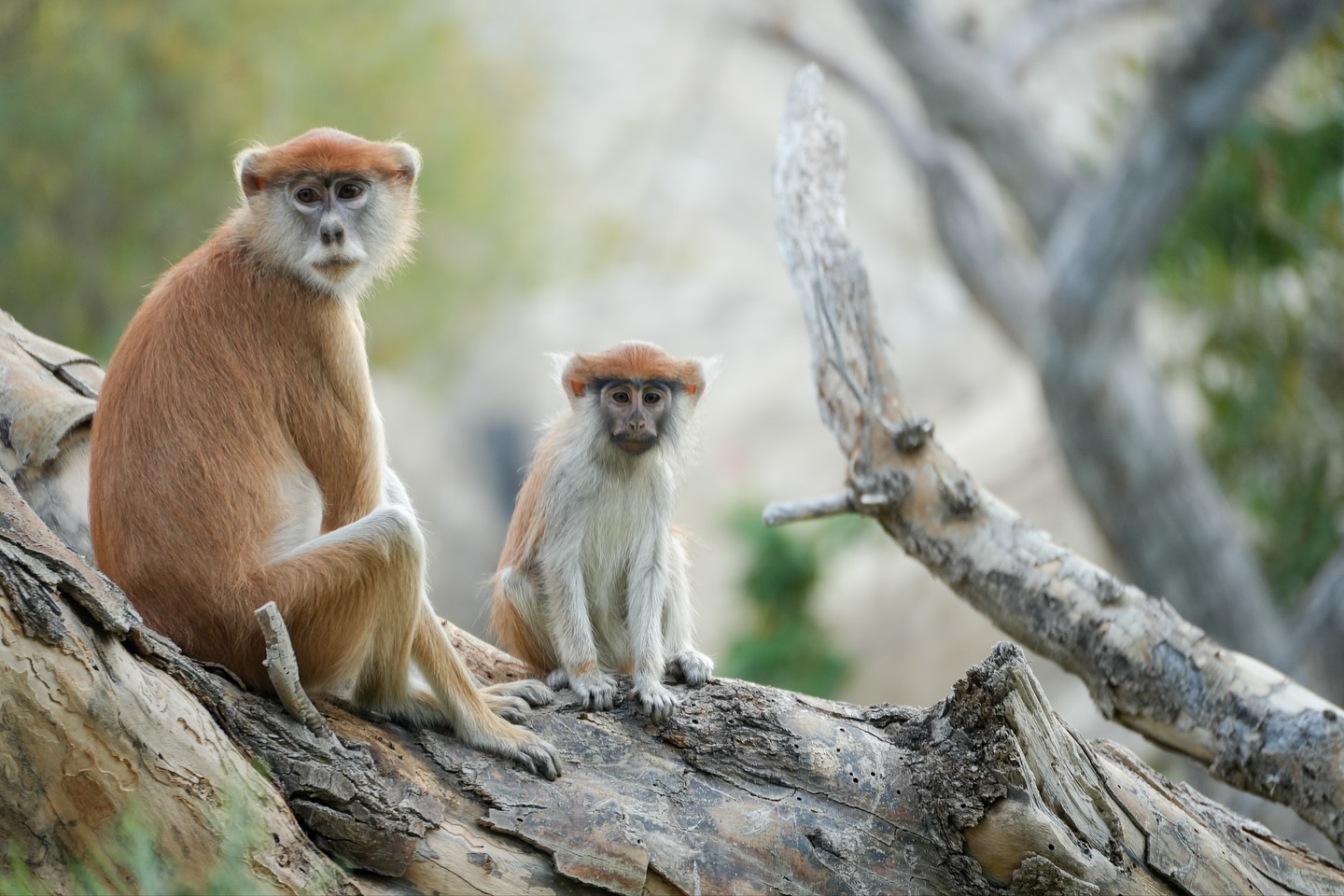
- The significance of the name “Maisha” and its meaning in Swahili culture.
- The symbolic meanings behind the names of the Ujamaa Troop.
- The behaviors and social structure of patas monkeys.
- The importance of wildlife conservation for species like the patas monkey.
- Community and cooperation as vital themes in animal social dynamics.
Naming animals in captivity not only solidifies connections between humans and wildlife, but also provides a means to celebrate cultural diversity. The recent announcement of the youngest patas monkey’s name, Maisha, which translates to “life” in Swahili, emphasizes the vitality these animals embody. This name stands as a testament to the environments inhabited by these monkeys and the broader ecological narratives that come into play. Many cultures celebrate the concept of life through naming conventions, underscoring the significance of cultural understanding in wildlife conservation efforts.
The names of the troop members deepen this narrative. The father, Kamari, means “moon.” The mother, Naledi, means “star,” and the grandmother, Bibi, signifies “grandmother.” Together, these names send a clear message about interconnectedness and the importance of nurturing relationships in both human societies and animal communities. The troop’s name, Ujamaa, underlines the value of community and cooperation. Ujamaa, a term from the Swahili language, emphasizes collective work and mutual support, principles deeply rooted in both human and animal societies.
Understanding the behavior and social structures of patas monkeys can offer valuable insights into why names and community matter. Patas monkeys are known for their remarkable social structures. These animals live in groups that can range in size, often exhibiting a matriarchal system. The presence of various family members—including males, females, and offspring—shapes social interactions and strengthens bonds. The naming of the Ujamaa Troop not only identifies individual animals but also encapsulates the essence of community and familial cooperation, which are essential for the survival of many species.
Patas monkeys demonstrate intriguing behaviors that reflect their complex social dynamics. They are primarily terrestrial, foraging on the ground rather than in trees, which can create unique challenges and advantages. Their agility allows them to move swiftly across the savannah and escape from potential predators, such as leopards and eagles. Their adaptive behaviors are not merely individualistic; they work together for foraging and protecting their young. A troop of patas monkeys will often coordinate alert systems. When one member senses danger, it can signal the rest, ensuring that the group stays vigilant.
Wildlife conservation plays a pivotal role in supporting these intriguing social dynamics. With various threats, such as habitat loss and poaching, many species are at risk. The patas monkey population is no exception. Conservation programs aimed at preserving their natural habitats can directly influence their community dynamics. Protecting the environments in which they thrive allows these monkeys to continue building the rich social structures that define them. Organizations working towards wildlife conservation often draw on community engagement, emphasizing the need for local populations to be involved in habitat protection.
Furthermore, the naming of individual animals, like the members of the Ujamaa Troop, humanizes these creatures and enhances public engagement. Educating people about the importance of naming animals in a culturally meaningful way fosters a connection that can spark interest in conservation efforts. When individuals recognize animals as essential parts of their ecosystems and communities, they are more likely to support initiatives aimed at preserving them.
The Ujamaa Troop’s names not only symbolize the individual roles within the family but also reflect the relationships among species and their environments. The interconnectedness of animals in the wild and their reliance on their habitats serve to remind us of our role in protecting biodiversity. Each name in the troop tells a story—of lineage, survival, and community, emphasizing how life flourishes in collective settings.
As part of broader conservation strategies, zoos and wildlife parks play crucial roles in educating visitors. They serve as both recreational and educational spaces, providing opportunities for hands-on learning about animal behaviors and the importance of ecosystems. The Living Desert organization demonstrates this mission well, showcasing the Ujamaa Troop as a representative example of diverse species interactions. Visitors are encouraged to connect with the experience, recognizing their responsibility towards the planet’s wildlife.
Engaging a global audience is increasingly vital in today’s interconnected world. With support from organizations dedicated to protecting species like the patas monkey, it becomes clearer how grassroots efforts elevate understanding and appreciation of wildlife. Community-oriented strategies, embodying the principles of Ujamaa, can lead to stronger alliances in conservation.
Moreover, wildlife conservation efforts can benefit from interdisciplinary research. Studies exploring animal behavior, social structures, and ecological relationships can lead to informed decision-making about conservation practices. Understanding dynamics within troops like the Ujamaa enhances knowledge about how to best support and preserve species in their natural habitats.
In recent years, the significance of cultural narratives in wildlife conservation has gained traction. The selection of names drawing from Swahili culture exemplifies the convergence of tradition and modern conservation efforts. This approach acknowledges the rich cultural contexts and histories associated with the regions where these animals reside. By highlighting these narratives, conservationists can work to promote cultural inclusivity while engaging diverse communities in protective measures for wildlife.
In essence, the Ujamaa Troop represents more than just a social unit of patas monkeys; it embodies the collective spirit of cooperation and life. The family dynamics expressed through names bear significance and relevance to the ecosystem at large. The synergy of titles offers insights about cultural and biological diversity worth appreciating and protecting.
Support for wildlife conservation must comprehensively address the socio-economic realities within communities bordering habitats. Efforts aimed at securing the longevity of species like the patas monkey should involve local stakeholders to promote sustainable practices. Doing so not only cultivates environmental stewardship but also respects and incorporates traditional knowledge regarding local ecologies.
The commitment to protecting and honoring wildlife holds immense potential for communities invested in sustaining their environments. The Ujamaa Troop serves as a representative case study for the intricate relationships between species and their surroundings. As an embodiment of community, the troop captures the essence of life—reflecting the interconnectedness that defines all living beings.
Ultimately, the celebration of names like Maisha, Kamari, Naledi, and Bibi draws attention to the profound ties that exist in both nature and human cultures. These conversations extend beyond a simple naming ceremony; they open pathways for dialogue aimed at strengthening conservation efforts, enhancing understandings of social dynamics, and forging connections between wildlife and people alike. Efforts to protect wildlife hinge on fostering such relations, allowing life itself to flourish amidst the spirits of the moon and the stars.
*****
Source Description
From moon and star… comes life? 🌙⭐️
That’s right — the votes from the Name the Baby contest are in! By an overwhelming majority, the winning name for the youngest patas monkey was Maisha, meaning “life” in Swahili.
Both her name and spirited presence reflect the vibrant diversity of desert life we work to protect each day.
Surprise 🎉 There’s more! We are proud to announce the names of the whole family:
Dad: Kamari (meaning “moon”)
Mom: Naledi (meaning “star”)
Grandma: Bibi (meaning “grandmother”)
And finally, the troop as a whole has been named the Ujamaa Troop, inspired by a Swahili word symbolizing community and cooperation. 💛🐒
To learn more about our troop and their names, visit LivingDesert.org/MeetTheTroop
