
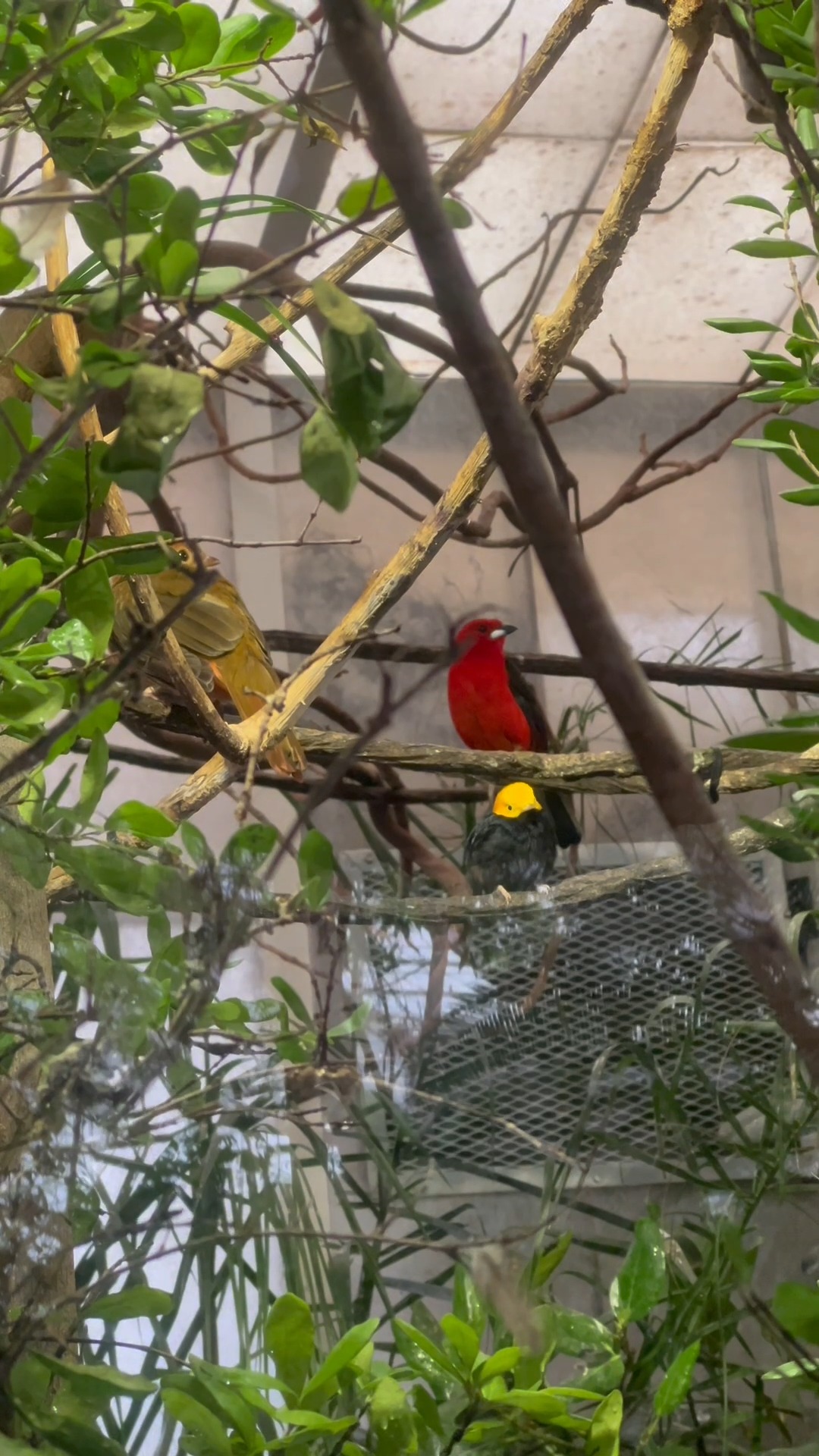
- The diversity of animal species at DWA beyond aquatic life
- The significance of penguins in conservation efforts
- The role of parrots in education and awareness
- The unique habitats and care for various species
- Efforts in wildlife conservation and zoo management
DWA, short for the Delaware Wildlife Association, is a vibrant sanctuary that houses a diverse range of animal species, extending well beyond aquatic life. Offering a unique opportunity for visitors to engage with numerous animals, DWA serves as a crucial hub for education, conservation, and research. By showcasing a collection that includes everything from playful penguins to colorful parrots, DWA highlights the myriad of wildlife that thrives in ecosystems around the globe.
DWA’s array of animals represents numerous ecosystems, demonstrating the rich biodiversity we strive to protect. Penguins, though often associated with icy, wet habitats, also require unique conditions for their maintenance and conservation. These charming birds are more than just a favorite among visitors; they are vital indicators of ocean health. Species such as the African Penguin have seen rapid declines due to overfishing, habitat loss, and climate change. DWA plays a crucial role in rehabilitation and breeding programs aimed at stabilizing penguin populations and educating the public about their precarious situation. The facility provides in-depth information about their critical needs and conservation status, reinforcing their importance in the wildlife conservation narrative.
Parrots, another fascinating group at DWA, are known for their vibrant colors and intelligence. They are not only captivating to observe but also serve as ambassadors for avian conservation efforts. Many parrot species are threatened or endangered due to habitat destruction and illegal pet trade. DWA aims to bring awareness to these pressing issues by engaging visitors with educational programs that emphasize the need for conservation and respect for wild populations. Parrots can mimic human speech, often drawing crowds and fostering an appreciation for their complexities.
The habitats designed for these animals at DWA demonstrate thoughtful planning and an understanding of their natural behaviors. For instance, the deep-water pools that simulate ocean environments for penguins enable them to thrive while also creating a setting that encourages natural behaviors, such as diving and socializing. Similarly, parrots are provided with lush, enriching environments that mimic their natural habitats. This fusion of comfort and stimulation is vital for animals in captivity, making it essential for zoos to prioritize habitat design that meets their needs.
Furthermore, DWA places immense value on wildlife conservation and sustainable practices in zoo management. The institution collaborates with various conservation organizations, investing in programs that focus on preserving endangered species and restoring habitats. Community involvement is also integral to these efforts. Educational outreach programs and workshops empower locals to adopt sustainable practices in their own lives, promoting stewardship of the natural world.
Programs aimed at promoting conservation have far-reaching impacts. DWA engages in numerous initiatives, from wildlife rehabilitation to species recovery partnerships. The organization also focuses on local species, often overlooked in the wider conversation about conservation. By fostering a sense of connection between visitors and the animals they see, DWA highlights the importance of protecting not only exotic but also native wildlife.
In the spirit of community education, DWA employs a variety of outreach methods, including interactive exhibits, live demonstrations, and volunteer opportunities. These experiences give individuals the chance to engage directly with the animals and the conservation efforts that support them. Understanding the correlation between animal behavior and conservation measures allows for a comprehensive perspective on the importance of protecting diverse species.
Wildlife conservation is an ongoing challenge. Institutions like DWA play a pivotal role in preserving biodiversity through focused breeding programs for endangered species. By carefully managing genetic diversity, they enhance the survival prospects of a species before reintroducing them into the wild. Such programs involve extensive research and close collaboration with other zoos and conservation entities.
The education and conservation work done at DWA also extends to their breeding programs for both penguins and parrots. These programs often result in successful hatchings that contribute to the overall genetic diversity of the species. DWA is dedicated to maintaining appropriate numbers and health within its breeding populations, continuously working to enrich their gene pools and create robust future generations capable of thriving in various environments.
DWA exemplifies a modern zoo’s obligations. They don’t merely focus on providing a space for animals but actively participate in larger ecological systems of preservation and education. Collaborating with global conservation networks allows them access to data and best practices, which inform their methodologies. Their comprehensive approach to wildlife management demonstrates a commitment to both animal welfare and scientific advancement.
The impact of zoos like DWA also resonates through research endeavors that seek to enhance our understanding of animal behavior, habitat requirements, and overall well-being. Scientific studies conducted at such facilities contribute valuable insights into species that serve as critical indicators of ecological health. Through research, DWA can inform both public policy and conservation strategies.
In addition, DWA emphasizes the importance of sustainable practices within its operational framework. They seek to minimize their ecological footprint, which not only benefits their inhabitants but also sets an example for visitors. Their commitment to sustainability resonates through their choices in energy use, waste management, and resource conservation.
Ultimately, DWA’s mission encompasses not just the well-being of individual species like penguins and parrots but also the systemic health of entire ecosystems. Through education, conservation, and research, they advocate for a holistic understanding of wildlife management. By fostering a connection between the community and its wildlife, DWA aims to inspire a new generation of stewards who appreciate the intricacies of biodiversity and the responsibilities we hold in safeguarding it.
DWA is home to various animals beyond its well-known fish exhibits, championing both local and exotic wildlife. Emphasizing the importance of penguins and parrots, they serve as critical components of ongoing conservation efforts. The thoughtful design of habitats, combined with active community engagement, sets a standard for modern zoos striving to balance entertainment with education and ecological preservation.
This multidimensional approach to wildlife conservation not only enriches the visitors’ experiences but also instills a sense of responsibility within the community. Understanding the profound impact of each species and its role in the ecosystem cultivates a more informed public, ready to participate in conservation efforts.
By bringing attention to the delicate balance of nature, DWA inspires a collective effort geared towards protecting the biodiversity that enriches our planet. Through ongoing education, active research, and conservation initiatives, the institution strives to ensure that future generations appreciate and love wildlife as profoundly as we do today. DWA’s complex yet rewarding mission relies on collaboration, education, and unwavering dedication to the wonders of life beyond fish.
*****
Source Description
From penguins to parrots, DWA is home to more than just fish. 🐧🦜
