
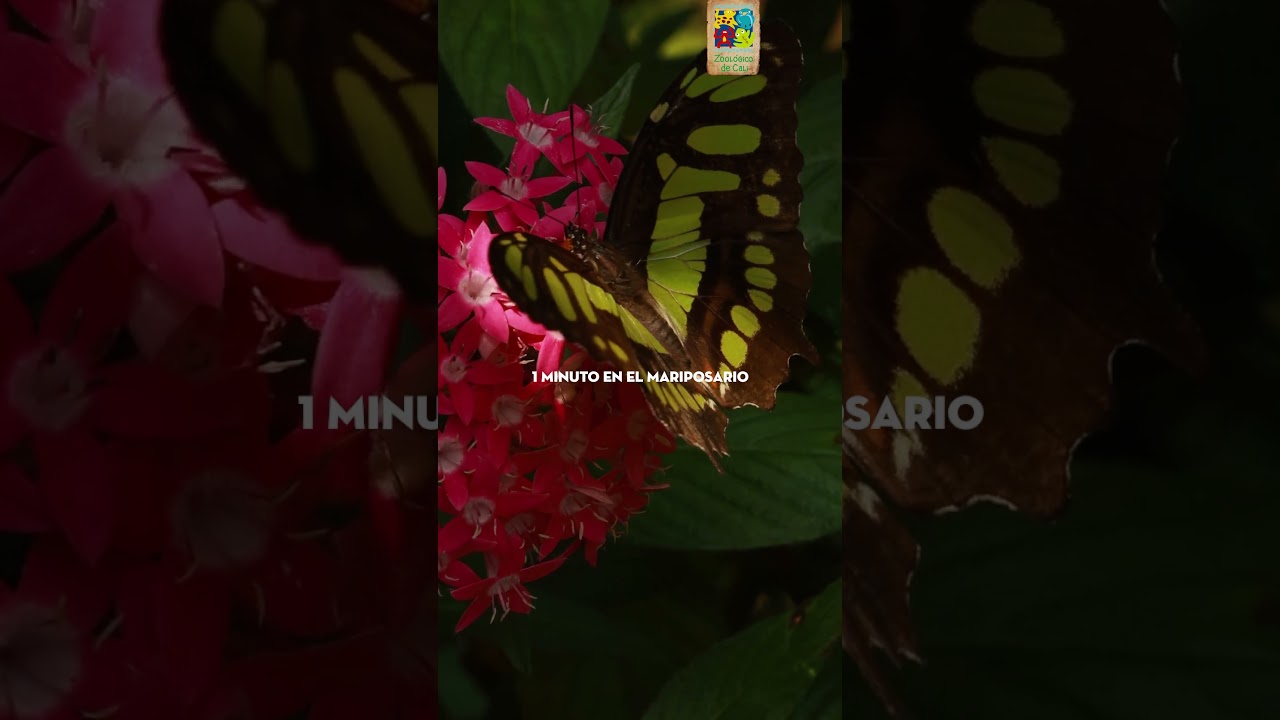
- Exploring the ecological significance of butterfly gardens and their role in biodiversity.
- Understanding butterfly lifecycles and the unique adaptations that butterflies possess.
- Wildlife conservation efforts illustrated through the example of a mariposario.
- The intricacies of zoo management and its impact on maintaining a butterfly sanctuary.
- Educational value and public engagement in butterfly gardens through multimedia presentations.
The mariposario, or butterfly garden, serves as a critical educational and conservation tool. It offers visitors a glimpse into the vibrant world of butterflies and highlights the importance of maintaining biodiversity. This article focuses on the multifaceted roles these gardens play, from supporting ecological systems to enhancing public awareness.
Ecological Significance of Butterfly Gardens
Butterfly gardens are integral to urban biodiversity. They provide essential habitats for not only butterflies but also for various pollinators. By offering a haven of native plants, these gardens support the lifecycle of butterflies, ensuring they have the right environment to breed, feed, and thrive. This not only aids in butterfly conservation but also enhances the pollination of nearby flora, contributing to overall ecosystem health.
Additionally, mariposarios serve to reintroduce butterfly species that may be at risk. By cultivating native plants, these gardens create a micro-habitat that mirrors natural conditions, providing nectar sources and breeding grounds that are often scarce in urban settings. The diversity of plant life supports a wide range of species, creating a vibrant ecological tapestry that can help stabilize local ecosystems.
Butterfly Lifestyles and Adaptations
Butterflies are known for their striking metamorphosis, transitioning from caterpillars to winged adults. This process, called metamorphosis, is not just a transformation of form but also of function. Each stage of a butterfly’s life is adapted to specific roles: feeding, growth, reproduction, and dispersal. Understanding these adaptations offers insight into their ecological niche and survival strategies.
Butterflies possess specialized mouthparts, known as proboscises, which allow them to feed on nectar from flowers. This feeding mechanism is a prime example of adaptation, as it facilitates pollination, benefiting both the plant and the butterfly. Furthermore, the vibrant colors and patterns on butterfly wings serve as adaptations for camouflage or warning signals to potential predators.
Species like the Monarch butterfly have adapted to endure long migrations, traveling thousands of miles to reach breeding grounds. Their resilience and navigation abilities highlight the remarkable biological engineering inherent in these insects, showcasing the complexity of evolutionary design.
Conservation Efforts in Butterfly Sanctuaries
Butterfly gardens are more than mere attractions; they are centers for conservation. These spaces help raise awareness about the threats facing butterflies, such as habitat destruction, climate change, and pesticide use. By engaging the public, they promote conservation actions that individuals can take to support butterfly populations.
Sanctuaries often participate in breeding programs for endangered species, providing controlled environments where populations can grow safely. These efforts are crucial for the survival of species that have seen drastic declines due to environmental changes. By cultivating a variety of butterfly-friendly plants, mariposarios foster biodiversity and resilience within butterfly communities.
Moreover, partnerships with local conservation groups and research institutions enhance the impact of these gardens. Collaborative efforts allow for data collection and monitoring of butterfly populations, contributing valuable information for broader conservation strategies.
Zoo Management and Butterfly Sanctuaries
The effective management of a mariposario requires a blend of expertise in zoology, horticulture, and environmental science. Curators must develop sustainable planting schemes that replicate natural habitats while adapting to the constraints of urban environments. This involves selecting plant species that cater to the needs of various butterfly species, ensuring year-round food sources and breeding conditions.
Environmental control is another critical aspect, where temperature, humidity, and light levels are maintained to simulate natural weather conditions conducive to butterfly survival. By doing so, mariposarios can support a diverse range of species, each with its unique habitat requirements.
Staffing these facilities with skilled professionals is crucial. Educators, interpreters, and biologists play vital roles in creating immersive experiences that educate the public while ensuring the wellbeing of the butterflies. This requires a balance between public access and conservation priorities, ensuring that the mariposario fulfills its dual role as a sanctuary and a spectacle.
Educational Value and Public Engagement
Butterfly gardens are powerful educational tools, connecting people with nature in meaningful ways. Through curated exhibits and interactive displays, visitors can learn about butterfly biology, ecological roles, and conservation challenges. Multimedia presentations, like the ‘1 minuto en el mariposario’, offer bite-sized yet impactful insights into daily operations and the life within these sanctuaries.
These educational experiences are designed to foster appreciation and empathy for wildlife, encouraging conservation actions. Schools often utilize mariposarios as living classrooms, providing students with hands-on learning opportunities that textbooks alone cannot offer. By engaging diverse audiences, these gardens help build a community of informed conservation advocates who carry their experiences into everyday actions.
Finally, technology integration within mariposarios is advancing rapidly. Virtual reality tours and mobile apps can enhance the visitor experience, providing deeper insights and personalized learning journeys. This innovation ensures that butterfly gardens remain relevant and effective in inspiring a commitment to wildlife conservation.
In essence, a mariposario is a multifaceted space that embodies the synergy between education, conservation, and recreation. By understanding its various components, one can appreciate its profound impact on biodiversity and public consciousness. Through ongoing efforts, these sanctuaries continue to support both butterflies and the ecosystems they inhabit, offering a beacon of hope for sustainable living and environmental stewardship.
*****
Source Description
Un mundo de colores y magia te espera en nuestro mariposario ✨🌿🦋
En cada aleteo, las mariposas nos recuerdan la belleza de la transformación y la importancia de proteger su hábitat. 🌎💚 En nuestro mariposario, podrás admirar de cerca su asombroso ciclo de vida y dejarte envolver por su delicado vuelo.
📍 Ven al Zoológico de Cali y vive una experiencia que te conectará con la naturaleza como nunca antes. Planea tu visita en https://www.zoologicodecali.com.co/
.
.
.
#Conservación #FaunaSilvestre #ProtegemosLaVida #JuntosPorLaNaturaleza
